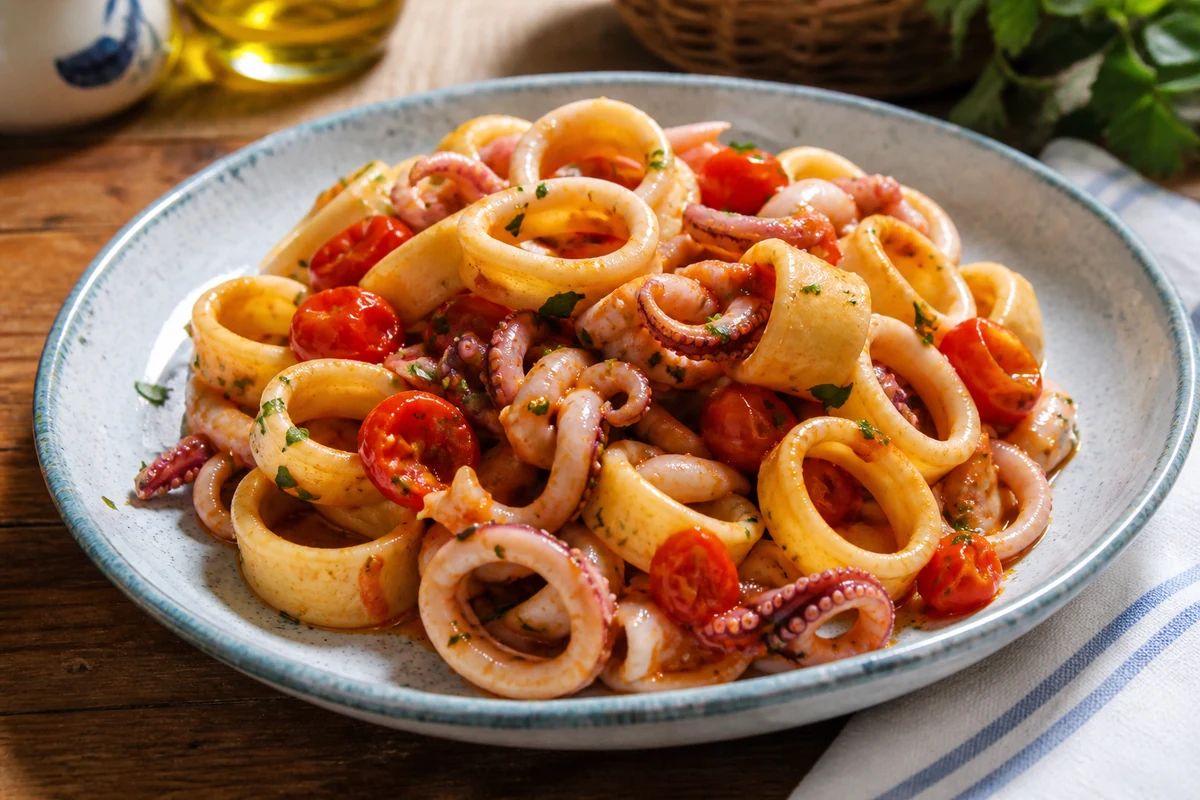
Calamarata Napoletana with Squid and Tomatoes
Calamarata Napoletana is one of those regional dishes where a short recipe is not enough. The result depends on texture, timing and the small choices that make Italian home cooking feel generous rather than rushed. This version keeps the method practical for a modern kitchen while respecting the character of Campania.
Calamarata works because the pasta shape and squid rings echo each other. The sauce should be glossy and coastal, with tender squid and tomato that tastes fresh rather than heavy.
Why This Recipe Belongs to Campania
This Campanian seafood pasta belongs to the cooking of the coast, where squid, tomato, garlic and parsley can make a full dish without cream or complicated additions.
The pasta is finished in the pan so the sauce coats the rings. That final minute matters because it joins the seafood juices to the tomato and pasta starch.
Ingredients for Calamarata Napoletana
- Calamarata pasta, or another short pasta with a wide shape.
- Squid, cleaned and sliced into rings.
- Cherry tomatoes or passata.
- Garlic and parsley.
- Dry white wine.
- Extra virgin olive oil.
- Chilli, salt and black pepper, to taste.
How to Make Calamarata Napoletana
- Prepare the squid Slice the bodies into rings and keep the pieces even so they cook at the same pace.
- Start the sauce Warm garlic in olive oil, add squid briefly, then splash in white wine.
- Add tomato Stir in tomatoes and simmer only until the sauce comes together.
- Cook the pasta Boil calamarata until very al dente and save some cooking water.
- Finish in the pan Toss pasta with the squid sauce, parsley and enough water to make it glossy.
Cooking Notes That Make a Difference
Squid can become tough if it is cooked carelessly. Keep the heat controlled and avoid a long boil after the tomato has gone in.
The sauce should not be watery. If the tomatoes release too much liquid, reduce them before adding the pasta.
- Use fresh parsley at the end, not dried herbs.
- Keep chilli gentle so it supports the seafood.
- Serve immediately while the pasta is glossy.
Common Mistakes to Avoid
The easiest mistake with Calamarata Napoletana is treating the recipe as only a list of ingredients. The cooking sequence matters just as much. Prepare the components before the heat is high, taste as you go, and give the main ingredient enough time to reach the texture described in the method.
It is also worth keeping the seasoning steady rather than aggressive. Regional Italian cooking often looks simple because the ingredients are familiar, but the best result comes from balance: enough salt to wake up the dish, enough fat to carry flavour, and enough resting time for the final texture to settle.
For readers cooking the dish outside Italy, ingredient substitutions should be gentle. Use the closest good-quality local option rather than chasing a perfect replacement that tastes tired or artificial. The aim is to keep the spirit of the regional recipe intact: honest ingredients, clear flavour and a final plate that makes sense at the table.
When possible, read through the full method once before starting. Many mistakes happen because the next step arrives before the pan, filling or sauce is ready.
Small adjustments are fine, but keep the main texture goal in mind from the beginning; that is what makes the recipe recognizable.
This is also the detail that helps the page feel useful to a real cook, not just written for search engines.
Before serving, check the final texture rather than only the clock. If the dish needs another minute to thicken, soften or rest, that small pause usually improves the result.
For best results, keep notes the first time you cook it: the size of the pan, the heat level and the timing can all change slightly from one kitchen to another.
Those small observations make the recipe easier to repeat and give the page real practical value for someone cooking at home.
How to Serve It
Serve calamarata as a first course or seafood main dish. It needs little beside it except bread and a simple salad.
A drizzle of good olive oil at the end gives the sauce a clean finish.
If you are serving it to guests, keep the presentation simple and let the regional character of the dish do the work.
More Campania Recipes
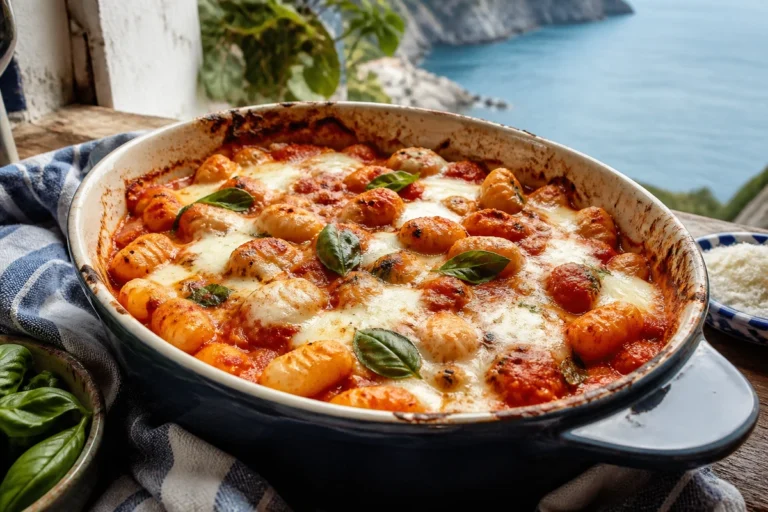
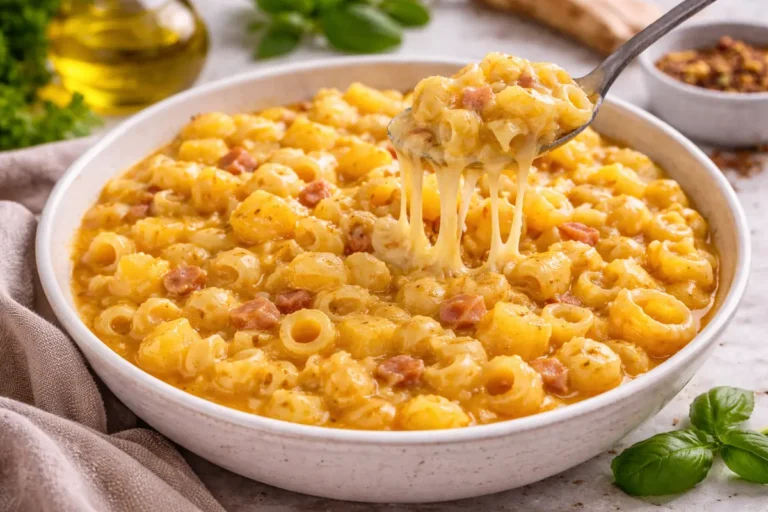
Continue exploring the same regional table with gnocchi alla Sorrentina, fried Neapolitan pizza, Neapolitan potato pasta.