Fried Panzerotti from Puglia
fried panzerotti Puglia is one of those regional dishes where a short recipe is not enough. The result depends on texture, timing and the small choices that make Italian home cooking feel generous rather than rushed. This version keeps the method practical for a modern kitchen while respecting the character of Puglia.
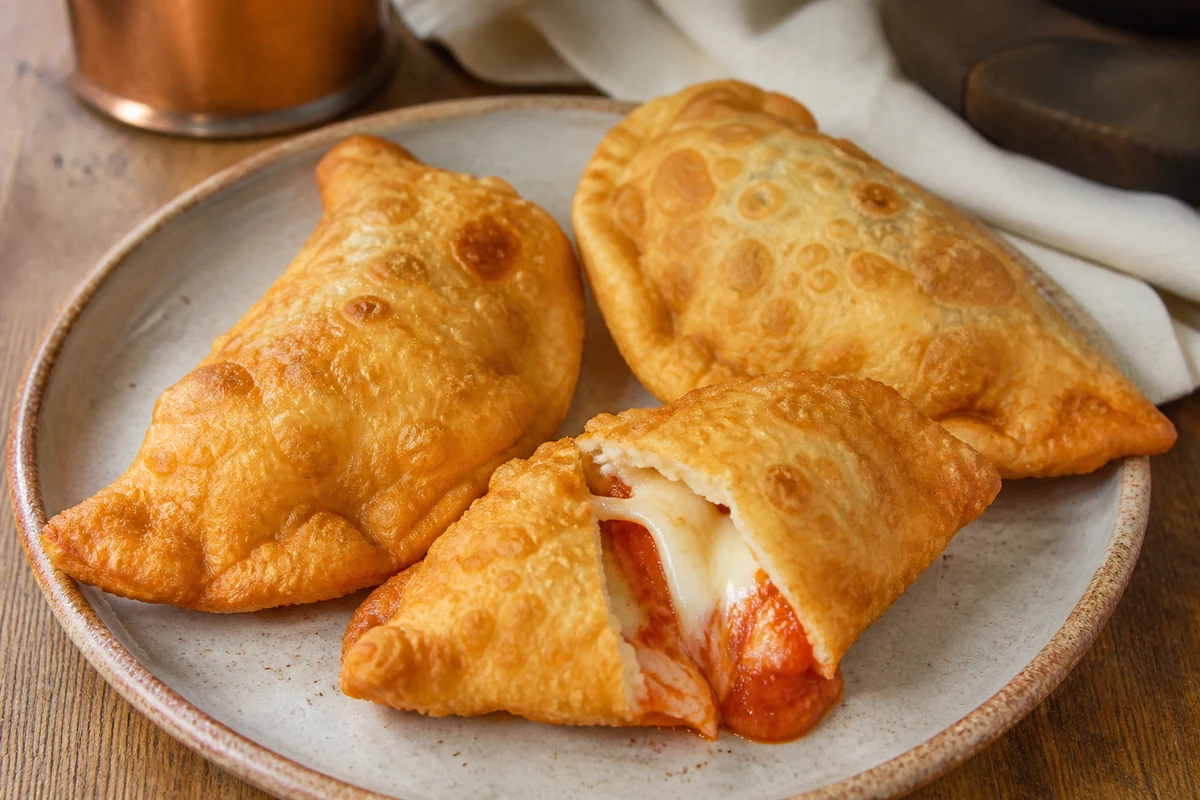
A good panzerotto should be sealed tightly, puffed in the oil and filled without becoming watery. The filling is simple, but it needs to be drained and seasoned before it goes into the dough.
Why This Recipe Belongs to Puglia
Panzerotti are part of Puglian street-food culture: portable, crisp and comforting. They use the same logic as pizza dough, but the frying gives a very different texture.
The classic filling is tomato and mozzarella, though many families add ham, capers or other small extras. The most important rule is not to overfill.
Ingredients for Fried Panzerotti
- Pizza dough, well risen and relaxed.
- Tomato passata, thickened if watery.
- Mozzarella, drained and diced.
- Oregano or basil.
- Fine sea salt.
- Olive oil, for the filling if needed.
- Oil for frying.
How to Make Fried Panzerotti
- Prepare the filling Season tomato and drain the mozzarella well so the centre does not leak.
- Divide the dough Roll small rounds without making the centre too thin.
- Fill lightly Add tomato and cheese, leaving a clear border around the edge.
- Seal firmly Press out air and pinch or crimp the edge to stop leaks.
- Fry until golden Cook in hot oil, turning carefully, until puffed and evenly coloured.
Cooking Notes That Make a Difference
Wet mozzarella is the usual reason panzerotti burst. Drain it in a sieve or on kitchen paper before filling.
The oil should be hot enough to puff the dough quickly. If it is too cool, the panzerotti absorb oil and become heavy.
- Make one test panzerotto first to check the seal and oil temperature.
- Keep filled panzerotti lightly floured while waiting to fry.
- Serve hot, but let them cool for a minute because the filling is very hot.
Common Mistakes to Avoid
The easiest mistake with Fried Panzerotti is treating the recipe as only a list of ingredients. The cooking sequence matters just as much. Prepare the components before the heat is high, taste as you go, and give the main ingredient enough time to reach the texture described in the method.
It is also worth keeping the seasoning steady rather than aggressive. Regional Italian cooking often looks simple because the ingredients are familiar, but the best result comes from balance: enough salt to wake up the dish, enough fat to carry flavour, and enough resting time for the final texture to settle.
For readers cooking the dish outside Italy, ingredient substitutions should be gentle. Use the closest good-quality local option rather than chasing a perfect replacement that tastes tired or artificial. The aim is to keep the spirit of the regional recipe intact: honest ingredients, clear flavour and a final plate that makes sense at the table.
When possible, read through the full method once before starting. Many mistakes happen because the next step arrives before the pan, filling or sauce is ready.
Small adjustments are fine, but keep the main texture goal in mind from the beginning; that is what makes the recipe recognizable.
This is also the detail that helps the page feel useful to a real cook, not just written for search engines.
How to Serve It
Serve panzerotti as a snack, starter or casual main dish. They need little more than napkins and a simple salad.
They are best fresh from the fryer. Reheating softens the crust, so fry only what you plan to serve.
If you are serving it to guests, keep the presentation simple and let the regional character of the dish do the work.
More Puglia Recipes
Continue exploring the same regional table with orecchiette with cime di rapa, focaccia Barese, bombette Pugliesi.