Genovese (Neapolitan Onion Sauce)
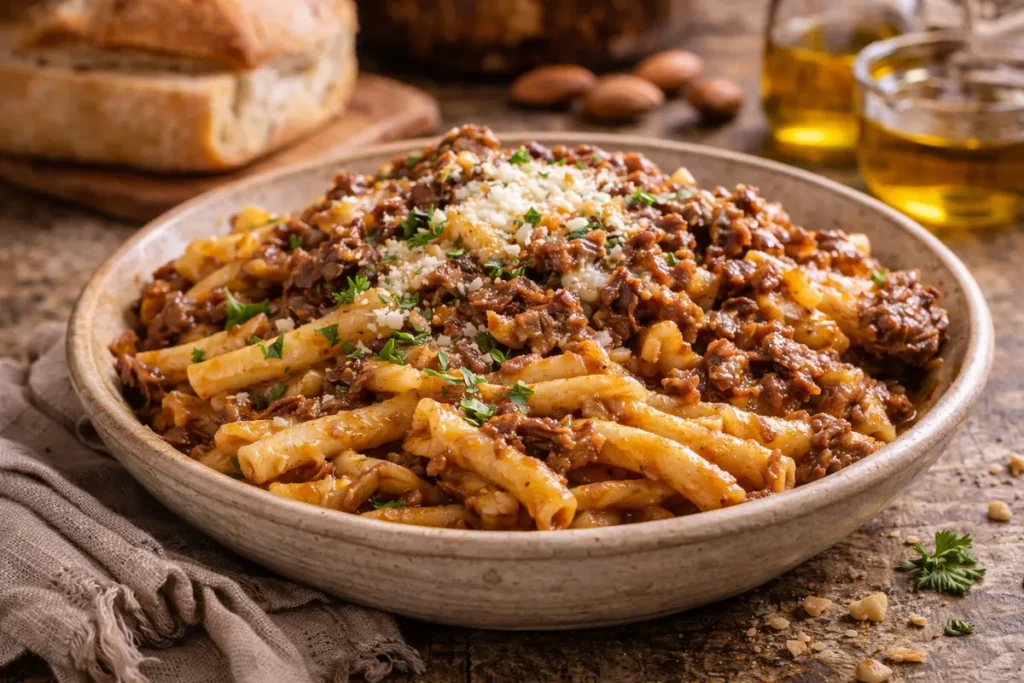
Despite its name, Genovese is one of Naples’ most traditional pasta sauces.
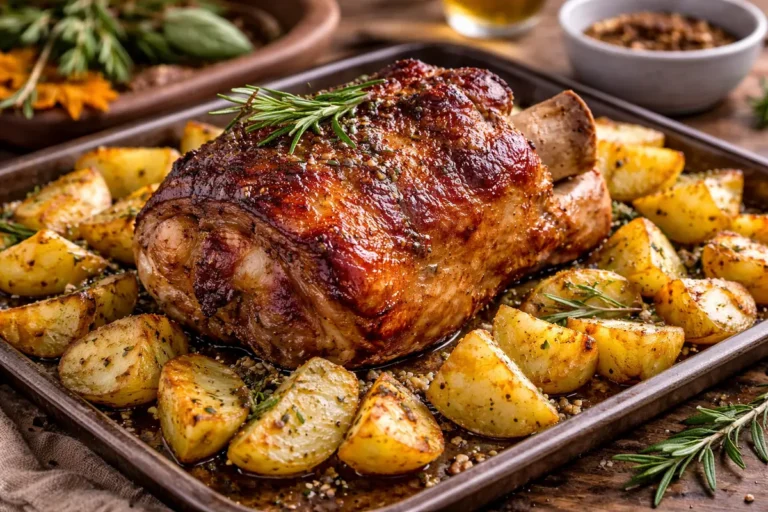
Neapolitan beef and onion stew is a slow-cooked classic from Campania, known for its deep, rich flavour created by gently simmering onions and beef over several hours. This dish is a perfect example of Neapolitan home cooking, where patience and simple ingredients transform into something incredibly comforting and full of character.
The cuisine of Naples moves effortlessly between hearty main dishes, fresh seafood, and indulgent desserts. Alongside this traditional stew, you may also enjoy Spaghetti with Clams, a coastal favourite that highlights the region’s love for seafood, or finish the meal with Caprese Chocolate Almond Cake, a rich and naturally gluten-free dessert that showcases another iconic side of Campanian cuisine.
Ingredients
1 kg (2.2 lb) beef chuck or beef shin, cut into large chunks
1.5 kg (3.3 lb) white or golden onions, thinly sliced
2 carrots, finely chopped
2 celery stalks, finely chopped
60 ml (¼ cup) extra-virgin olive oil
120 ml (½ cup) dry white wine
1 bay leaf
Salt, to taste
Method
Heat the olive oil in a large heavy-bottomed pot over medium heat.
Add the beef chunks and brown well on all sides. Season lightly with salt and pepper.
Add carrots and celery, stirring for 2–3 minutes until softened.
Add all the sliced onions to the pot. Stir well — they will seem like a lot, but they will reduce.
Pour in the white wine and let it evaporate for a few minutes.
Add the bay leaf, cover with a lid and reduce heat to very low.
Cook gently for 3–4 hours, stirring occasionally, until the onions have completely melted into a thick, creamy sauce and the beef is extremely tender.
Taste and adjust seasoning. Remove the bay leaf before serving.
Tips and Variations
Genovese is never rushed, low heat and time are essential.
History of Genovese Sauce
The origins of Genovese are debated, but the dish has been part of Neapolitan cuisine for centuries. Traditionally prepared on Sundays, it requires hours of slow cooking, making it a dish associated with family meals and patience.
It reflects Naples’ ability to create depth of flavour from humble ingredients.