Sarde in Saor: Venetian Sweet and Sour Sardines
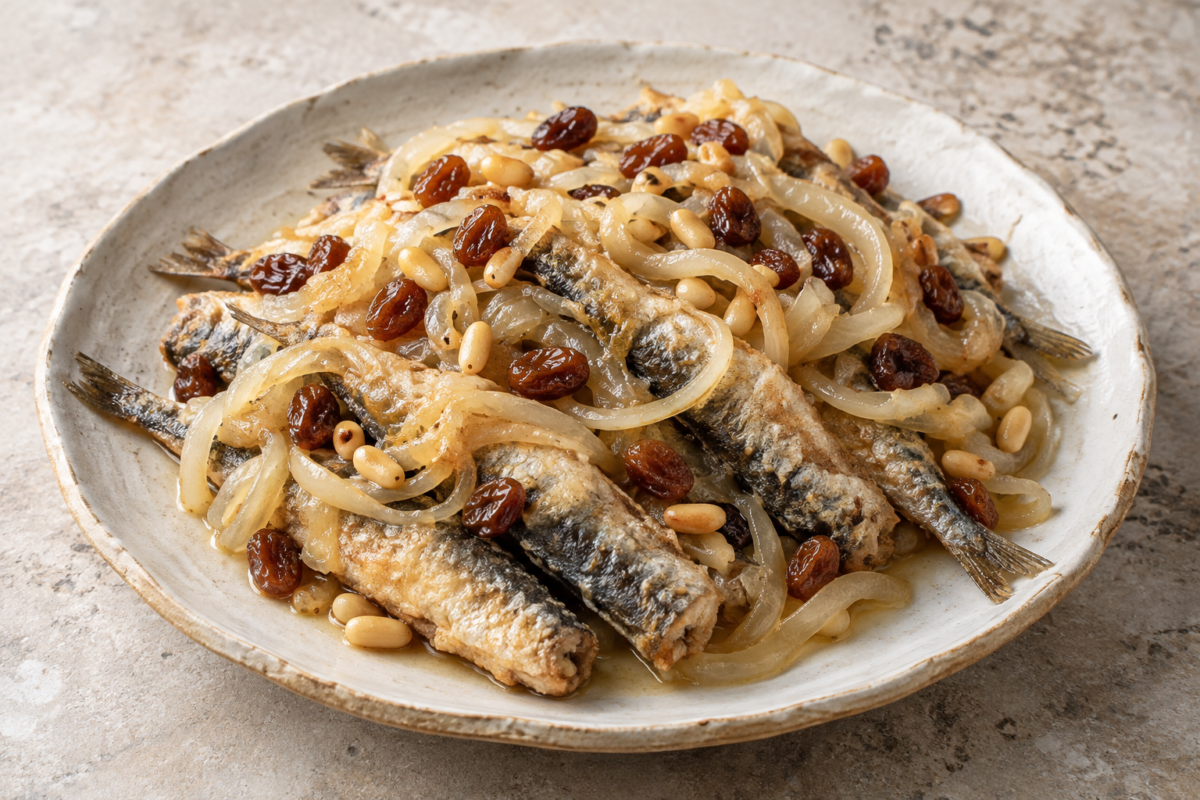
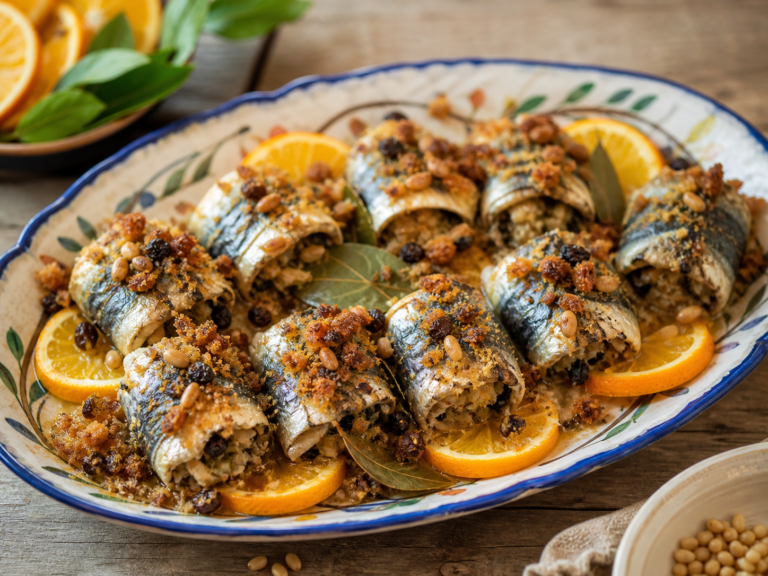
Sarde in saor are Venetian fried sardines layered with soft onions, vinegar, raisins and pine nuts, then rested until the sharp, sweet and savoury elements settle into one another. The dish is served cool or at room temperature, usually as an antipasto or among a selection of cicchetti.
The overnight rest is not an inconvenient pause after the recipe; it is the final stage of the recipe itself. The vinegar mellows, the onions season the fish and the crisp fried surface becomes tender without turning to paste. Preparing the dish a day before serving gives a more balanced result and makes it particularly convenient for entertaining.
What Does ‘Saor’ Mean?
In Venetian usage, saor refers to flavour and to this sweet-and-sour preparation. Fried fish was historically combined with onions and vinegar because the acidic mixture helped it keep. Raisins and pine nuts became characteristic additions, bringing sweetness and richness to the practical preserving method.
Today the dish should still be refrigerated, but the old technique explains its structure. The sardines are cooked first, the onions are softened separately, and the two are layered rather than simmered together. This protects the fish from breaking up and distributes the marinade evenly as it rests.
Choosing Sardines and Onions
Small, very fresh sardines are easiest to eat and take on the marinade evenly. Ask the fishmonger to remove the heads and guts if preferred, or clean them at home and remove the central bones for neat butterflied fillets. Pat the fish completely dry before flouring so the coating stays light.
Use white or pale onions and cook them slowly without browning. The aim is softness and natural sweetness, not a dark caramelised flavour. White wine vinegar gives a clean acidity. The quantity can be adjusted slightly to suit its strength, but the finished onions should taste lively because the flavour softens during the rest.
Ingredients
Serves 4 as an antipasto
- 700 g fresh sardines, cleaned and butterflied
- 60 g plain flour, for dusting
- 700 g white onions, thinly sliced
- 120 ml white wine vinegar
- 40 g raisins
- 30 g pine nuts
- About 150 ml olive oil, plus more if needed for frying
- Fine salt and freshly ground black pepper
- 2 bay leaves, optional
How to Make Sarde in Saor
- Soak the raisins. Cover the raisins with warm water and leave them for 15 minutes, then drain and pat dry. This keeps them plump during the overnight rest.
- Prepare the sardines. Check the cleaned sardines for any remaining scales or bones. Rinse only if necessary, then dry them thoroughly with kitchen paper. Season lightly and dust with flour, shaking off every excess.
- Fry the fish. Heat a shallow layer of olive oil in a wide frying pan over medium-high heat. Fry the sardines in batches for roughly 1–2 minutes per side, depending on size, until lightly golden and just cooked. Drain on kitchen paper and leave to cool.
- Soften the onions. Pour away used frying oil and wipe the pan. Add 3 tablespoons of fresh olive oil, the onions, bay leaves if using and a pinch of salt. Cook over low heat for 25–35 minutes, stirring regularly, until very soft and translucent but not browned.
- Balance the saor. Add the vinegar carefully and simmer for 2–3 minutes. Stir in the drained raisins and pine nuts, then remove the pan from the heat. Taste an onion once it has cooled slightly: it should be sweet, savoury and distinctly sharp.
- Layer the dish. Spread a little warm onion mixture over the base of a glass or ceramic dish. Add a single layer of sardines, then more onion, raisins and pine nuts. Continue until everything is used, finishing with onions so the fish is well covered.
- Rest. Cool the dish, cover and refrigerate for at least 12 hours and preferably 24. Turn or gently press any exposed fish into the marinade once during the rest if needed.
- Serve. Take the dish from the refrigerator 30–45 minutes before serving. Remove the bay leaves, if used, and bring the sardines towards room temperature so the flavours are not muted by the cold.
Expert Tips and Common Mistakes
- Do not crowd the frying pan. A drop in oil temperature makes the flour coating greasy rather than delicate.
- Do not brown the onions. Dark caramelisation overwhelms the clean contrast of fish, vinegar and natural onion sweetness.
- Do not skip the rest. A freshly assembled dish tastes disjointed and much sharper than it will the following day.
- Do not serve it fridge-cold. Allowing it to lose its chill improves both texture and aroma.
Variations, Serving and Storage
Some older or household versions are simpler, using little more than sardines, onions and vinegar; others include bay, spices or a touch of sugar. Raisins and pine nuts are now strongly associated with the dish, but sweetness should remain balanced rather than turning the marinade syrupy.
Serve sarde in saor with slices of bread or soft polenta, either as an antipasto or as part of a cicchetti spread. A bitter-leaf salad makes a useful fresh contrast. Keep the dish covered and refrigerated, and use it within two days for the best texture and freshness. Do not leave the fish at room temperature for extended periods.
Frequently Asked Questions
Are raisins and pine nuts essential? They are characteristic of the well-known Venetian version, although simpler preparations based on fish, onions and vinegar also exist.
Can I eat sarde in saor on the day it is made? It is safe once cooked and cooled correctly, but it will taste sharper and less integrated. A 12–24 hour refrigerated rest gives the dish its intended balance.
More Venetian Recipes
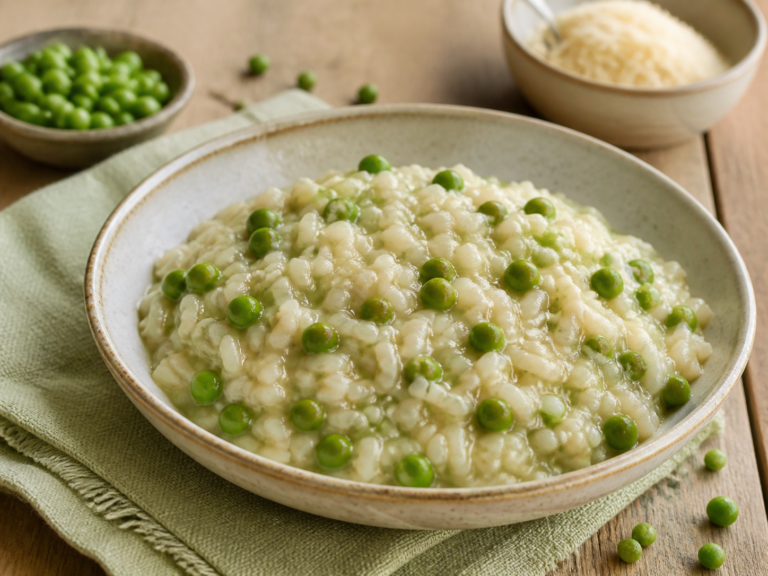
For another Venetian classic, serve it before risi e bisi; to compare a different regional sardine preparation, see Sicilian sarde a beccafico.