Seadas Sarde: Sardinian Cheese Pastries with Honey
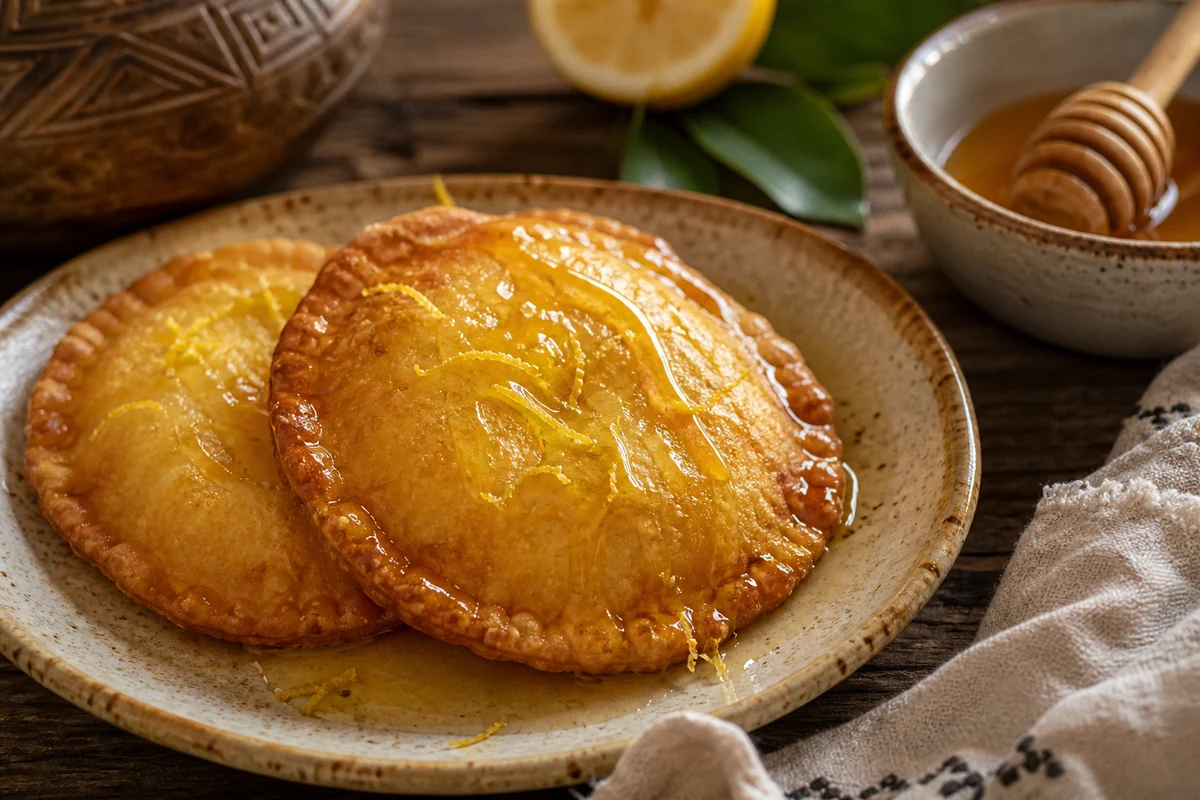
seadas sarde is one of those regional dishes where a short recipe is not enough. The result depends on texture, timing and the small choices that make Italian home cooking feel generous rather than rushed. This version keeps the method practical for a modern kitchen while respecting the character of Sardinia.
A good seada should crack lightly under the fork, then release a warm cheese filling scented with lemon. The honey is not just a garnish: it balances the salty cheese and makes the pastry taste complete.
Why This Recipe Belongs to Sardinia
In Sardinia, seadas are often connected with pastoral cooking because the filling traditionally uses young sheep’s cheese. The dish sits between sweet and savoury, which is why it feels special without needing complicated decoration.
The most important details are a firm dough, a melting cheese and a secure seal. If the pastry is too thick it feels heavy, and if the edge is weak the filling leaks into the oil before the pastry turns golden.
Ingredients for Seadas Sarde
- Semolina flour, for a sturdy pastry with a light bite.
- Lard or olive oil, to enrich the dough.
- Warm water and fine sea salt.
- Fresh pecorino or young melting cheese, grated or finely diced.
- Lemon zest, for the filling.
- Clear honey, warmed slightly before serving.
- Neutral oil, for frying.
How to Make Seadas Sarde
- Make the dough Mix semolina, salt, fat and warm water until smooth, then rest it so it rolls without tearing.
- Prepare the filling Combine the cheese with lemon zest. If the cheese is very firm, warm it gently until it softens enough to shape.
- Roll and fill Roll the pastry thinly, cut discs, add filling and cover with a second disc.
- Seal carefully Press out trapped air and seal the edge firmly so the cheese stays inside during frying.
- Fry and finish Fry until golden, drain briefly and spoon warm honey over the pastries while they are hot.
Cooking Notes That Make a Difference
The dough should feel firm rather than soft. A firm dough makes it easier to roll thinly and gives the pastry its characteristic crispness after frying.
Honey should be added at the end, not cooked into the pastry. Warming it slightly helps it flow over the surface and into the edges.
- Keep the cheese filling compact so it does not push through the pastry.
- Do not crowd the pan; the oil temperature drops quickly.
- Serve seadas immediately, while the contrast between crisp pastry and warm cheese is strongest.
Common Mistakes to Avoid
The easiest mistake with Seadas Sarde is treating the recipe as only a list of ingredients. The cooking sequence matters just as much. Prepare the components before the heat is high, taste as you go, and give the main ingredient enough time to reach the texture described in the method.
It is also worth keeping the seasoning steady rather than aggressive. Regional Italian cooking often looks simple because the ingredients are familiar, but the best result comes from balance: enough salt to wake up the dish, enough fat to carry flavour, and enough resting time for the final texture to settle.
For readers cooking the dish outside Italy, ingredient substitutions should be gentle. Use the closest good-quality local option rather than chasing a perfect replacement that tastes tired or artificial. The aim is to keep the spirit of the regional recipe intact: honest ingredients, clear flavour and a final plate that makes sense at the table.
When possible, read through the full method once before starting. Many mistakes happen because the next step arrives before the pan, filling or sauce is ready.
Small adjustments are fine, but keep the main texture goal in mind from the beginning; that is what makes the recipe recognizable.
This is also the detail that helps the page feel useful to a real cook, not just written for search engines.
How to Serve It
Serve seadas as a dessert after a simple meal, or as a sweet course with coffee. A little extra honey on the plate is welcome, but the pastry should not be drowned.
They are best eaten fresh. If you need to prepare ahead, shape the pastries and keep them chilled, then fry shortly before serving.
If you are serving it to guests, keep the presentation simple and let the regional character of the dish do the work.
More Sardinia Recipes
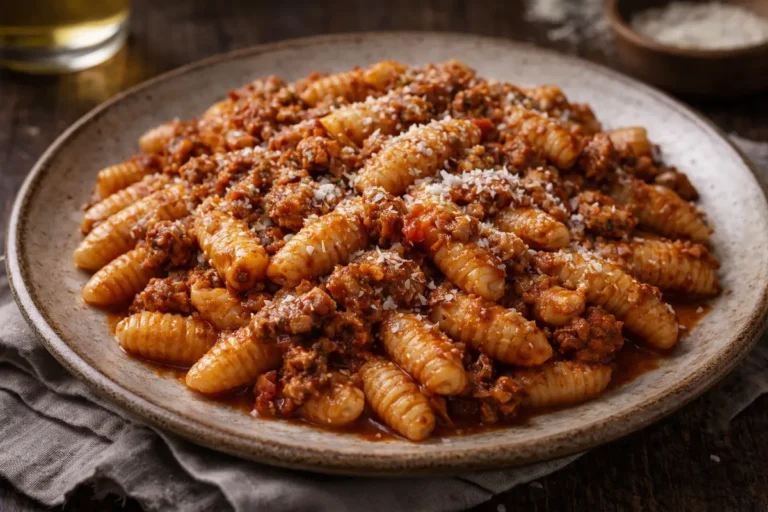
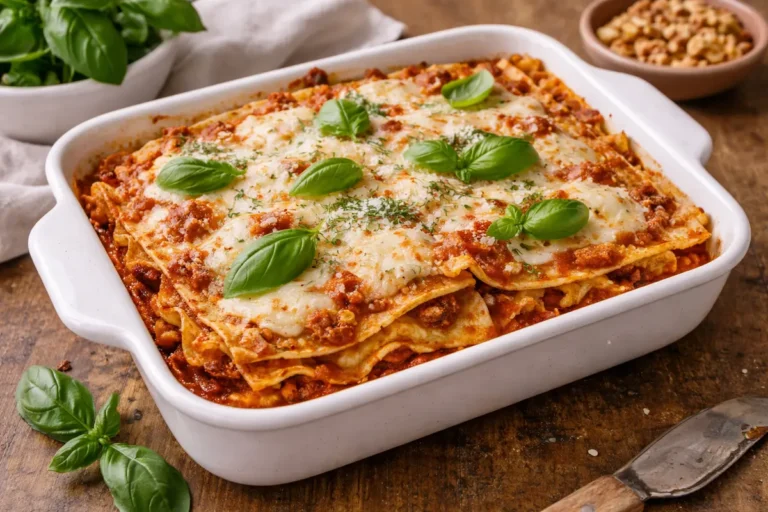
Continue exploring the same regional table with Sardinian gnocchetti with sausage, pane carasau lasagne.