Regional Italian Food Is Becoming the Real Luxury
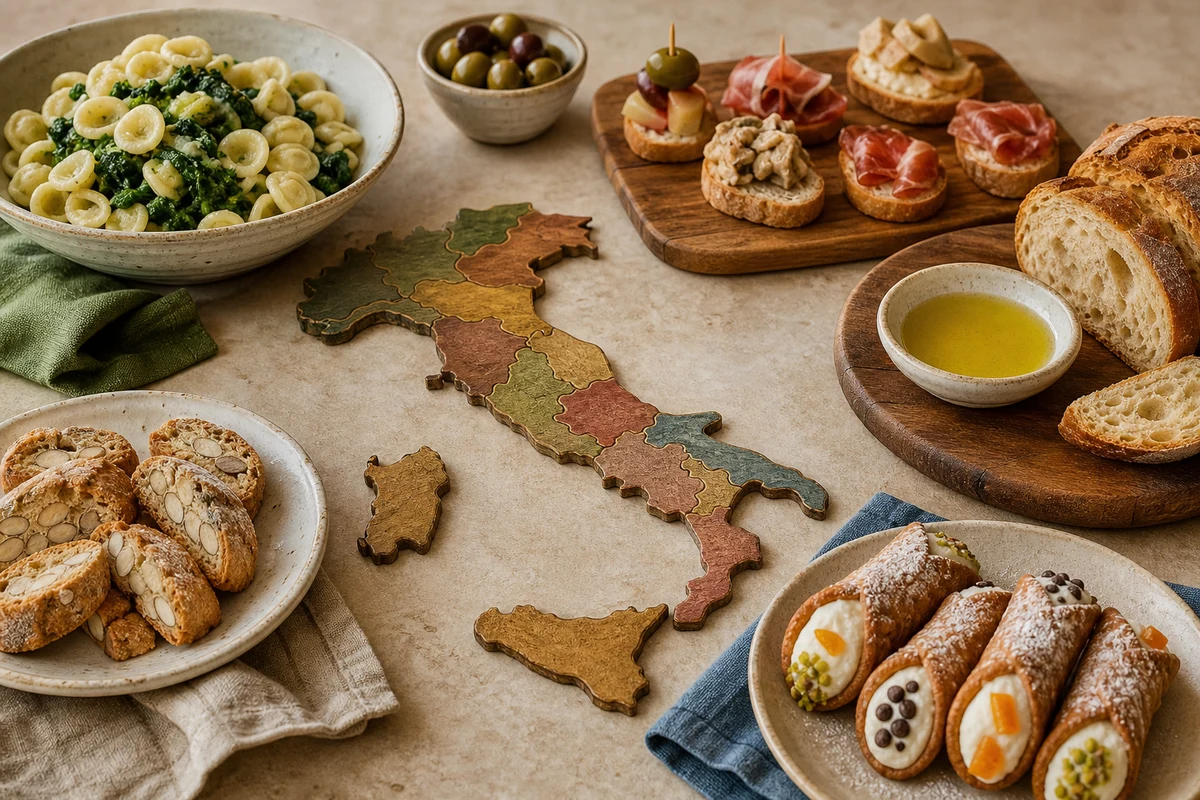
Regional Italian food is becoming one of the strongest signs of quality in Italian dining. The most interesting menus and recipes are no longer trying to represent Italy as one single flavour. Instead, they are leaning into place: the bread of one region, the pasta shape of another, the cheese, oil, vegetables and traditions that make each area different.
This shift matters because Italian cooking has always been local first. A dish from Rome does not behave like a dish from Palermo. A pasta from Puglia has a different logic from one in Emilia-Romagna. The more people learn about Italian food, the more they understand that the region is not a decorative detail. It is the heart of the dish.
Why Regional Food Feels More Valuable
Luxury in food is changing. It is not always about rare ingredients or complicated technique. Often, it is about clarity. A dish feels more valuable when it knows exactly what it is and where it comes from.
A plate of cacio e pepe has Roman identity. Orecchiette with broccoli rabe speaks of Puglia. Arancini carry Sicilian street-food culture. Ribollita belongs to Tuscan cucina povera. When these dishes are presented with confidence, they feel richer than a menu full of vague Italian references.
People Want Food With a Place
There is a reason regional recipes perform well online and in restaurants: they give the reader or diner something to hold onto. A place makes a dish memorable. It turns a recipe into a small journey.
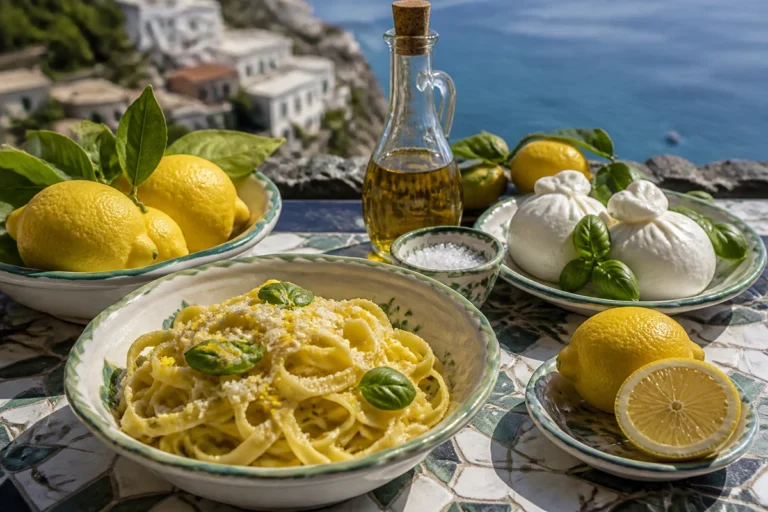
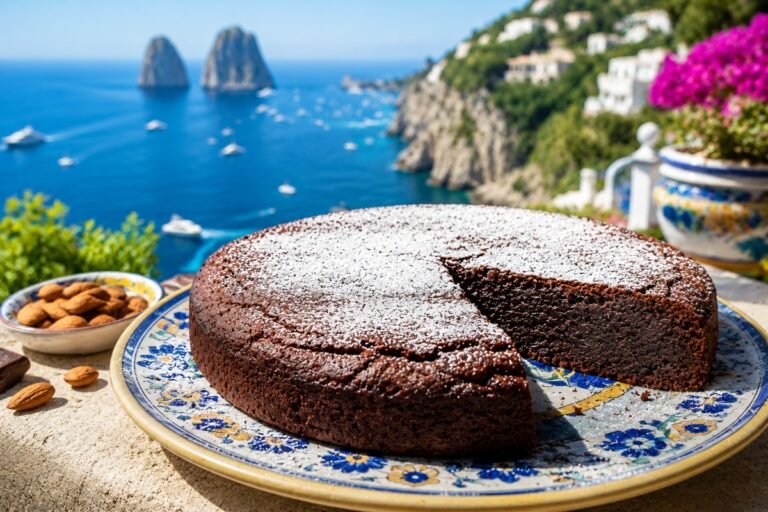
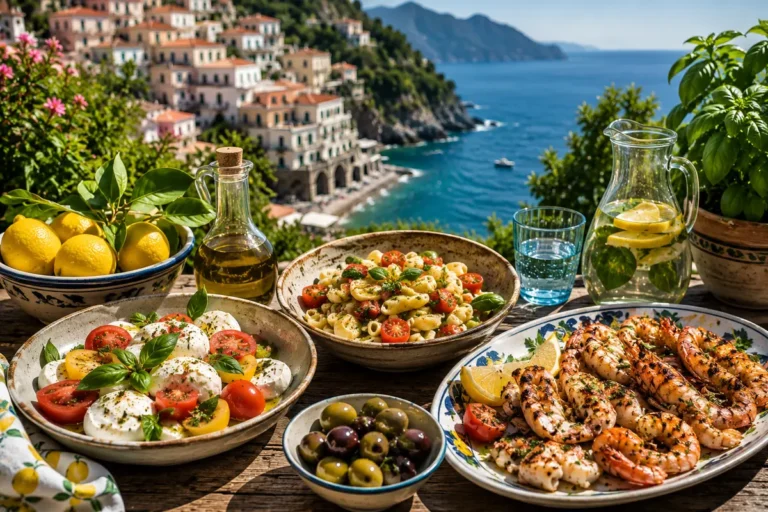
For home cooks, this can be inspiring. Instead of asking what Italian food to cook, they can choose a region to explore. Lazio might mean pecorino, guanciale and artichokes. Campania might mean tomatoes, mozzarella, seafood and lemons. Sicily brings citrus, almonds, aubergines and a strong Arab-Norman influence.
The End of Generic Italian Menus
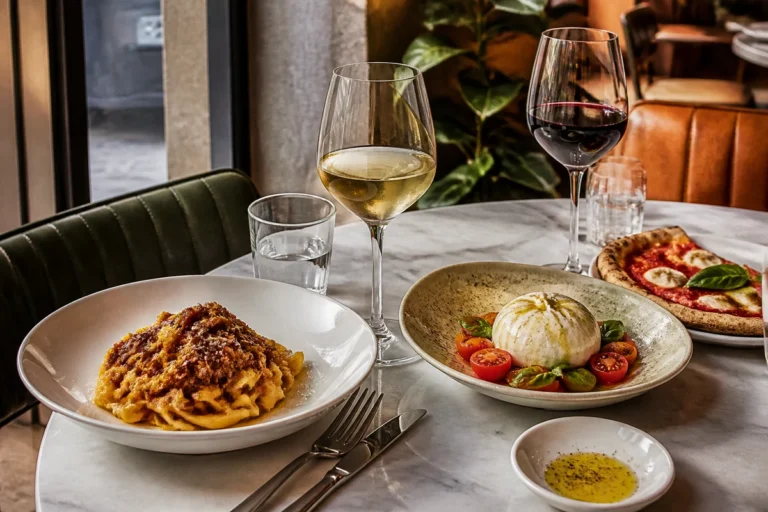
Generic Italian food will always have its place, especially for comfort. But the trend is moving toward menus that are smaller, clearer and more rooted. A restaurant does not need to serve every famous dish. It can be stronger by choosing a point of view.
The same is true for a food website. A recipe becomes more useful when it explains the regional context: why the ingredient matters, how the dish is traditionally served and what makes it different from similar dishes elsewhere in Italy.
Why Regional Menus Feel More Memorable
A regional dish stays in the mind because it carries a sense of place. The herbs, cheeses, pasta shapes and cooking methods all point to a landscape and a tradition. That makes the meal feel more grounded than a generic Italian plate.
This is why regional Italian food feels increasingly special. It does not need to be elaborate. It needs to be clear, honest and connected to the place that shaped it.
Regional Italian cuisine is becoming the real luxury because it offers something people cannot fake easily: identity. It makes food feel grounded, memorable and true to the table it came from.
More Italian Food Trends to Watch
For a more visual seasonal angle, read The Amalfi Lemon Effect Is Everywhere This Summer. To see how regional identity also appears through pasta, continue with The Pasta Shape Trend: Why Everyone Wants More Than Spaghetti.