Why London Still Can’t Get Enough of Italian Food
Italian dining in London is changing, with regional recipes, quality ingredients and lesser-known traditions taking centre stage.
London has had a love affair with Italian food for decades, but the way the city eats Italian is evolving. Pasta and pizza remain as popular as ever, yet diners are increasingly interested in discovering the regional traditions that sit behind Italy’s most famous dishes.
Instead of simply looking for “Italian food”, people want to know where a dish comes from, how it is traditionally prepared and what makes it different from something they may have eaten before.
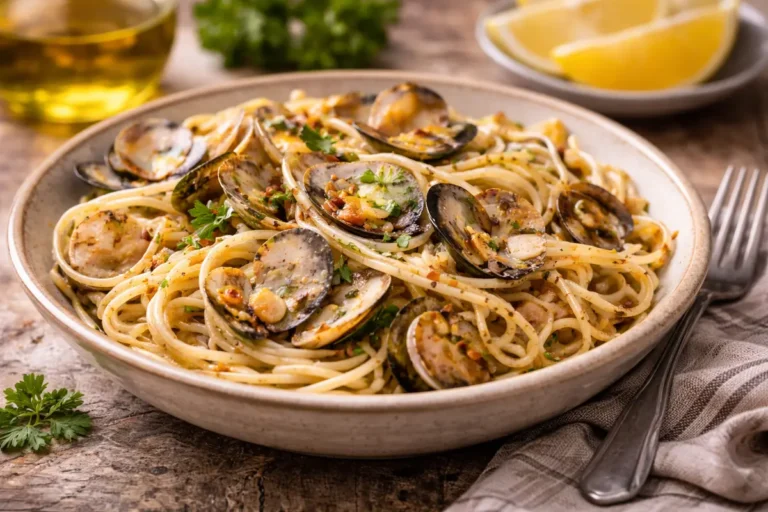
From Roman classics and Neapolitan favourites to Sicilian seafood and handmade pasta from southern Italy, London’s appetite for Italian food is becoming much more specific.
From Italian Food to Regional Italian Cooking
One of the biggest changes is the growing interest in Italy’s regional cuisines.
Italy doesn’t really have one single culinary tradition. Each region — and often each town — has its own ingredients, pasta shapes, cooking techniques and specialities.
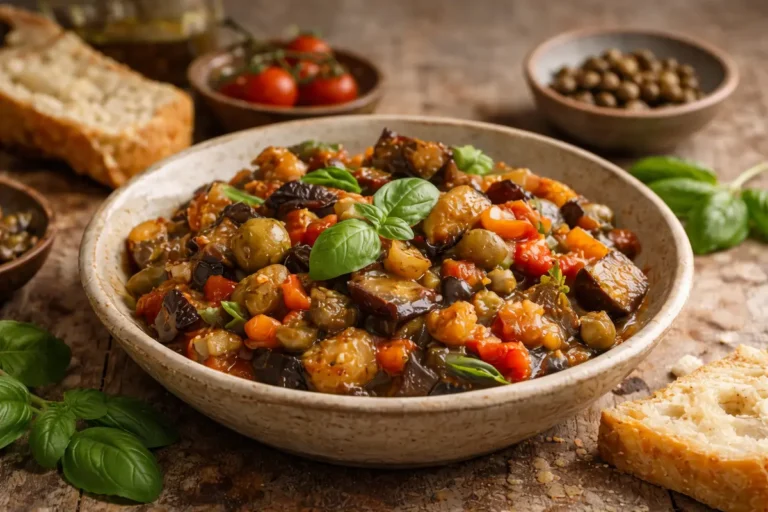
A restaurant might serve pasta from Puglia, a traditional dish from Naples or a dessert originating on the island of Capri. For diners, knowing the story behind the food has increasingly become part of the experience.
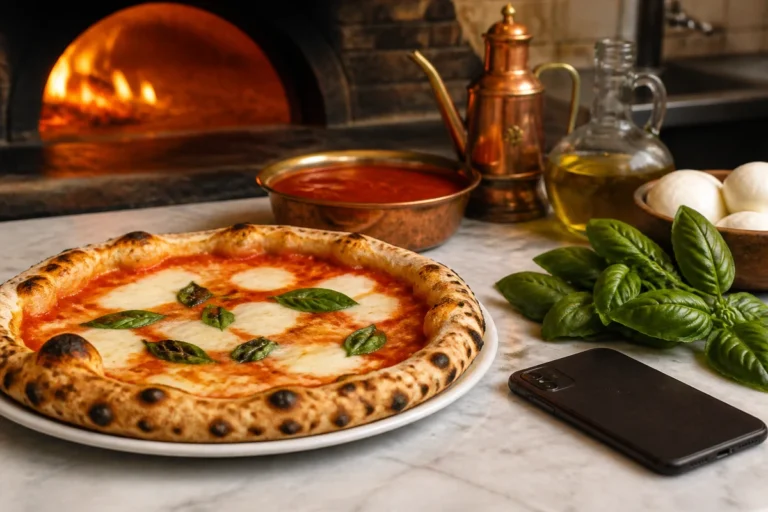
This also means lesser-known dishes have an opportunity to appear alongside familiar favourites such as carbonara, lasagne and pizza.
Simple Ingredients Still Matter
Another reason Italian food continues to work so well in London is its emphasis on ingredients.
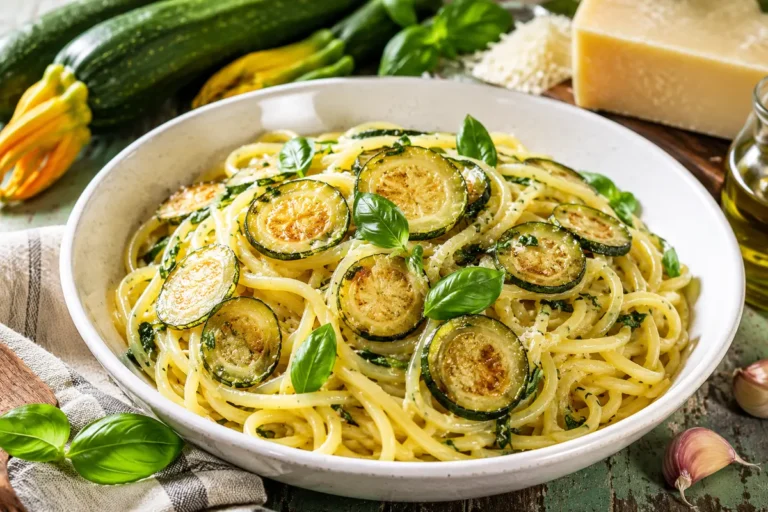
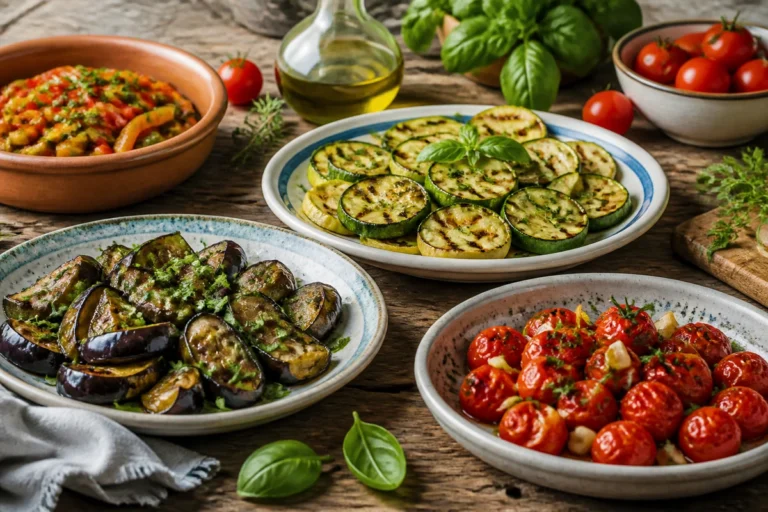
Many of Italy’s most memorable dishes aren’t complicated. Pasta, tomatoes, olive oil, vegetables, seafood and good cheese can produce extraordinary results when the ingredients and preparation are right.
London diners have become increasingly knowledgeable about these details. The type of tomato, the origin of a cheese or even the pasta shape used for a particular sauce can now be part of what makes a dish interesting.
It is a style of cooking that feels both accessible and special.
Handmade Pasta Continues to Attract Attention
Fresh and handmade pasta remains one of the most visible expressions of this interest in regional Italian cooking.
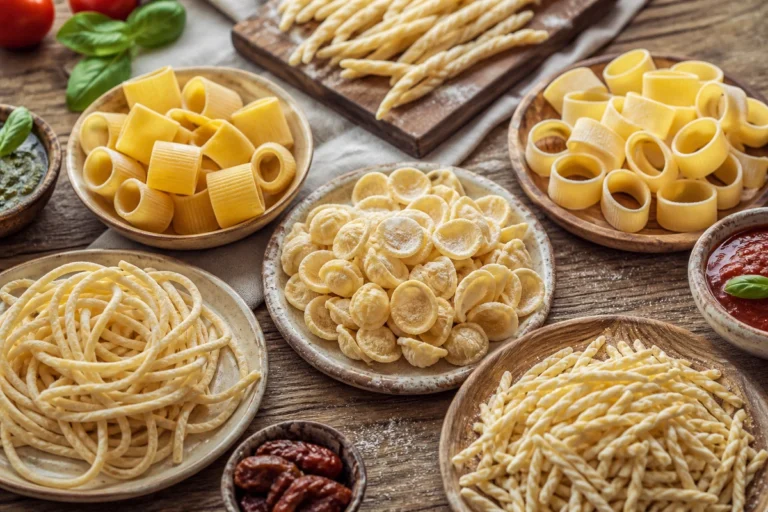
Beyond spaghetti and penne lies an enormous variety of regional pasta shapes, including orecchiette from Puglia, trofie from Liguria and filled pastas such as agnolotti from Piedmont.
Each was developed around local ingredients and traditions.
For diners accustomed to supermarket pasta, discovering these shapes — and understanding why Italians pair particular pasta with particular sauces — offers another way to explore Italian cuisine.
Italian Food Doesn’t Have to Be Formal
The appeal isn’t limited to special-occasion restaurants either.
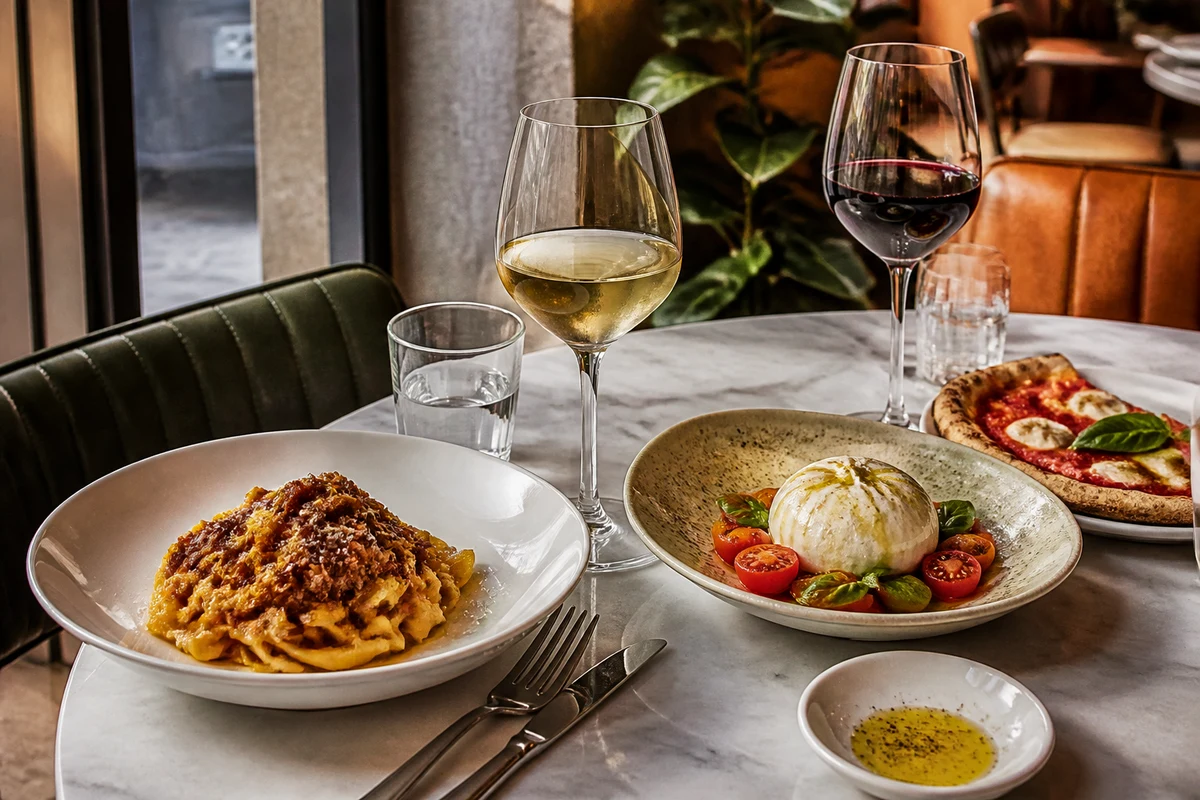
Some of the most attractive elements of Italian dining are inherently casual: sharing antipasti, ordering several small dishes, eating freshly made pasta or enjoying a glass of Italian wine with something simple.
That relaxed approach works particularly well in a city like London.
People can experience genuinely interesting regional food without necessarily needing the formality associated with fine dining.
Why Regional Italian Food Has So Much More to Offer
Perhaps the biggest reason London isn’t getting tired of Italian food is that there is still so much of it to discover.
Someone familiar with Roman cuisine may know carbonara and amatriciana but have never tried the dishes of Abruzzo. A person who loves Neapolitan pizza may know very little about the traditional food of neighbouring regions.
Move further north and the ingredients change again, with dishes based around polenta, rice, butter, filled pasta and slow-cooked meats becoming more prominent.
Sardinia and Sicily bring another collection of traditions, shaped by their geography, history and access to the Mediterranean.
Italian cuisine can therefore remain familiar while constantly offering something new.
What to Read Next
Explore another classic of Italian cooking with our Penne all’Arrabbiata, or discover how artichokes are traditionally prepared in Rome with our Carciofi alla Romana recipe.