Bolognese Ragù Sauce
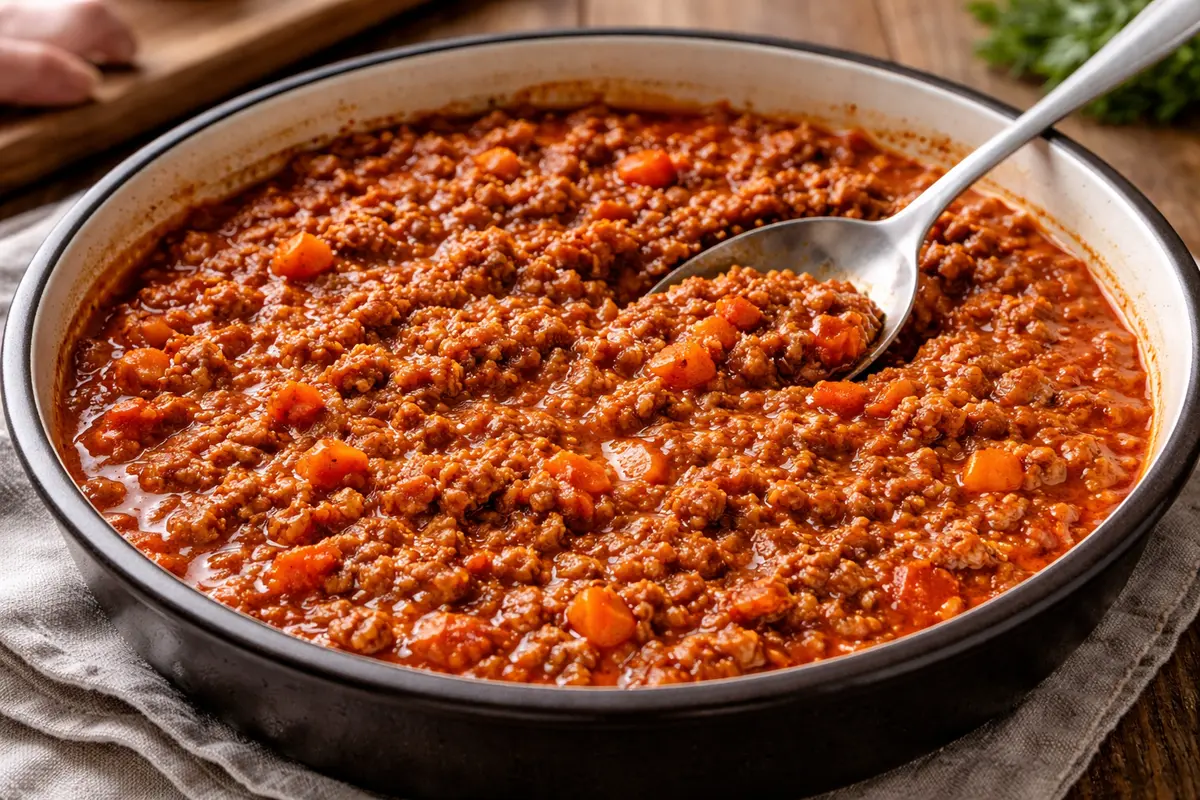
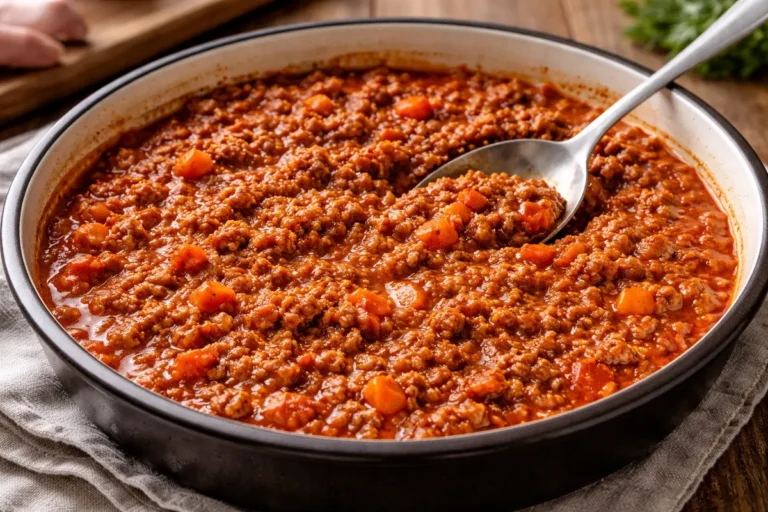
Bolognese ragù is not a quick tomato sauce with mince. The flavour comes from slow cooking: soffritto softened properly, meat browned well, wine reduced and tomato used with restraint so the sauce tastes savoury rather than sharp.
A good ragù alla bolognese should coat pasta in a thick layer. It should not run across the plate, and it should not taste only of tomato. Time is the main ingredient.
Build the Soffritto Slowly
Finely chop onion, carrot and celery. Cook them in butter or olive oil over gentle heat until soft and sweet. If the vegetables brown too hard, they can make the sauce taste bitter before the meat has even gone in.
Pancetta is optional, but it adds depth. Render it gently with the soffritto if using it.
Ingredients for Bolognese Ragù
- 500 g minced beef, or a mix of beef and pork.
- 1 onion, 1 carrot and 1 celery stick, finely chopped.
- Pancetta, optional.
- Dry wine, white or red.
- Tomato passata or tomato paste, used moderately.
- Milk to soften the sauce.
- Butter or olive oil.
- Salt and black pepper.
Brown the Meat Until It Smells Savoury
Add the meat and break it up with a spoon. Let the moisture cook away, then allow the meat to brown lightly. This stage gives the ragù its depth. If the pan is crowded, the meat steams and the sauce tastes flat.
Add wine and let it reduce until the alcohol smell disappears. Then add tomato and simmer very gently, stirring from time to time.
Why Milk Belongs in the Sauce
A little milk rounds the sauce and softens the meat flavour. Add it during the slow cooking and let it disappear into the ragù. The finished sauce should be thick, mellow and balanced.
Which Pasta Works with Ragù
Tagliatelle is a natural match because the wide ribbons hold the meat sauce. Short pasta with ridges also works, especially if the ragù is thick. Avoid drowning delicate pasta in too much sauce; the ragù should coat, not bury.
If using the sauce for lasagne, leave it slightly looser than you would for tagliatelle. The pasta sheets need moisture as the dish bakes.
How to Store Bolognese Ragù
Ragù improves after resting. Cool it quickly, keep it in the fridge for up to three days, or freeze it in portions. Reheat gently with a splash of water or stock to bring back the texture.
More Emilia-Romagna Recipes
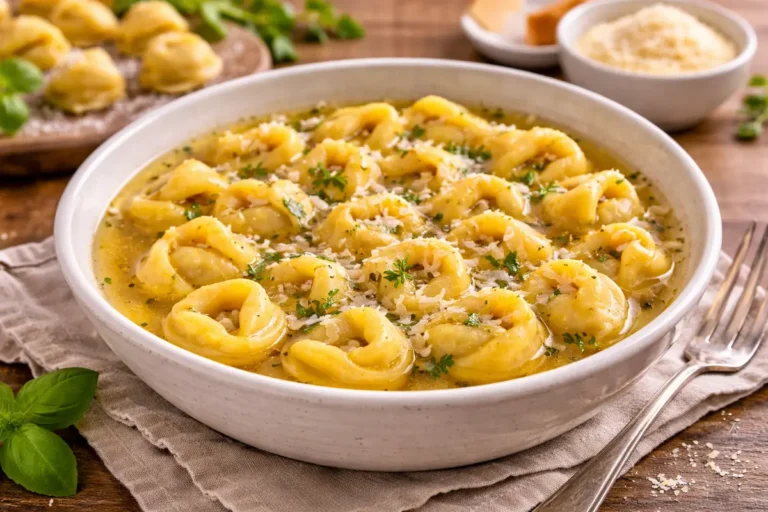
Use this ragù with pasta or lasagne, then explore Classic Lasagne Bolognese, Tortellini in Brodo and Tigelle Flatbread.