Carbonade Valdostana: Beef Braised with Wine and Onions
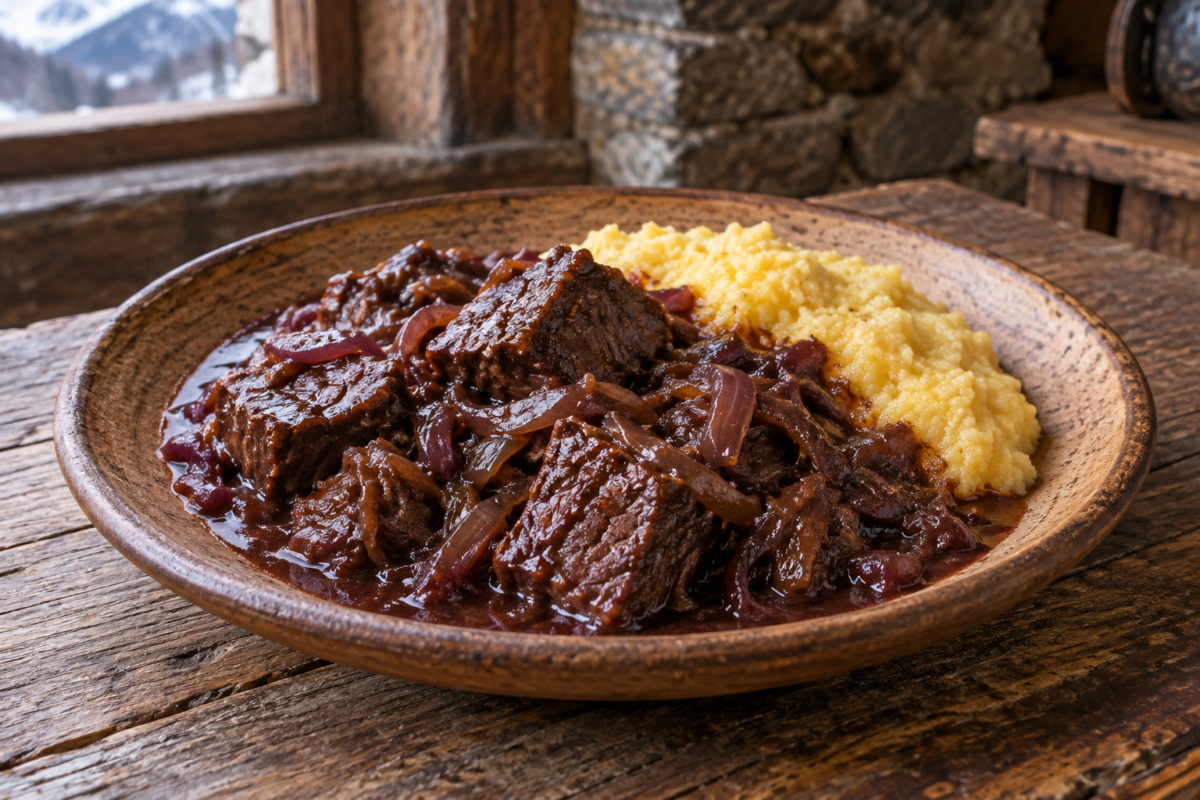
Carbonade valdostana is a deeply savoury beef and onion stew from Italy’s smallest Alpine region. Red wine, slow heat and plenty of onions create the sauce; there is no need for cream or a heavy tomato base.
The dish rewards patience. Beef chuck becomes tender only after a gentle braise, while the onions gradually disappear into the wine-rich cooking liquid.
Recipe at a Glance
- Region: Valle d’Aosta
- Category: Main course
- Yield: 4 servings
- Total time: approximately 2 hours 50 minutes
This version keeps the recognisable regional character of the dish while giving practical cues for a UK home kitchen. The quantities, sequence and finishing texture matter more than decorative additions, so prepare the core ingredients carefully before considering optional variations.
Where Italian ingredients differ in strength, moisture or saltiness, taste and adjust conservatively. Any accessible substitute is identified as a substitute rather than presented as the traditional ingredient, keeping the distinction clear for readers.
What Is Carbonade valdostana?
Carbonade valdostana is a Valle d’Aosta beef braise cooked with onions and wine until the meat is tender and the sauce dark and glossy. It suits the region’s cold climate and is commonly served with polenta.
Although the name resembles Belgian carbonnade, this Alpine preparation has its own regional context. Wine, patient browning and slow cooking provide the depth; the sauce should not depend on excessive flour.
Alpine Beef Cooked for Cold Weather
Valle d’Aosta cooking is shaped by mountain winters, dairy farming and robust dishes that can be prepared slowly. Carbonade is traditionally served with polenta, which absorbs the dark sauce.
Choose a dry red wine that you would happily drink. An aggressively oaked or sweet bottle will become more noticeable as the liquid reduces.
Ingredients and Why They Matter
Choose a braising cut such as chuck or shin and cut it into even pieces. A local red wine would be appropriate, but any dry, balanced red that is pleasant to drink can work. Avoid heavily oaked or sweet wine.
Onions soften into the sauce and should be sliced evenly. A light dusting of flour helps the sauce cling, while bay, cloves or other warm spices should be used cautiously if included.
- 900 g beef chuck, cut into large cubes
- 3 onions, thinly sliced
- 500 ml dry red wine
- 2 tbsp plain flour
- 30 g butter
- 1 tbsp olive oil
- 1 bay leaf
- 2 cloves
- 250 ml beef stock
- Salt and black pepper
Before You Start
This recipe makes 4 servings. Allow approximately 20 minutes for preparation and 2 hours 30 minutes for cooking. Read through the complete method first and prepare every ingredient before the main cooking begins.
Times are a practical guide rather than a substitute for sight, aroma and texture. Pan size, ingredient temperature and individual ovens can change the pace, so use the sensory cues in the method and tips to decide when each stage is ready.
Keep a clean plate, the necessary draining tools and any finishing ingredients ready before cooking. This prevents the final stage from waiting while a hot sauce, fried coating, delicate dough or freshly cooked pasta loses its intended texture.
How to Make Carbonade valdostana
- Brown the beef.
Dust the beef lightly with flour and brown it in batches in butter and oil. - Soften the onions.
Lower the heat and cook the onions until soft and lightly golden. - Deglaze with wine.
Return the beef, add wine and scrape the browned flavour from the pan. - Braise gently.
Add bay, cloves and enough stock to nearly cover. Simmer very gently until the beef is tender. - Finish the sauce.
Remove the spices and reduce uncovered if needed until the onions and wine form a glossy sauce.
Expert Cooking Tips
- Brown in batches.
Crowding the pan steams the meat. - Keep the simmer gentle.
Hard boiling can make beef dry. - Rest before serving.
Ten minutes helps the sauce settle and thicken.
Dry and brown the beef in batches. Crowding lowers the pan temperature and leaves the meat grey. Cook the onions in the same pan, then deglaze thoroughly to capture the browned residue.
Maintain a quiet simmer until the beef yields easily to a fork. If the sauce is thin once the meat is tender, uncover and reduce it rather than adding a last-minute flour slurry.
Common Mistakes to Avoid
The most common problems come from rushing the main technique or correcting seasoning too early. Keep the heat appropriate to the method, allow ingredients to reach the texture described above and taste again near the end, especially when cheese, cured meat, seafood or reduced broth contributes salt.
Measure the principal ingredients accurately on the first attempt. Once you understand the intended consistency, small adjustments are easier to make without changing the identity of the dish.
Authentic Variations and Substitutions
Some recipes use red wine, while other documented household versions may use white. The balance of spices also varies. State the wine chosen and avoid presenting either colour as the only legitimate option.
How to Serve Carbonade valdostana
Serve with soft polenta or boiled potatoes and a simple green vegetable.
Serve with soft polenta, which catches the wine-and-onion sauce. Steamed greens or cabbage provide a fresh counterpoint to the braised beef.
Storage and Reheating
Cool promptly and refrigerate for up to three days. The flavour often improves overnight. Reheat slowly until piping hot, adding a small splash of broth if the sauce has become too thick.
Frequently Asked Questions
What texture should Carbonade valdostana have?
Maintain a quiet simmer until the beef yields easily to a fork. If the sauce is thin once the meat is tender, uncover and reduce it rather than adding a last-minute flour slurry.
Can Carbonade valdostana be made ahead?
Cool promptly and refrigerate for up to three days. The flavour often improves overnight. Reheat slowly until piping hot, adding a small splash of broth if the sauce has become too thick.
What substitutions are possible in Carbonade valdostana?
Some recipes use red wine, while other documented household versions may use white. The balance of spices also varies. State the wine chosen and avoid presenting either colour as the only legitimate option.
More Valle d’Aosta Recipes
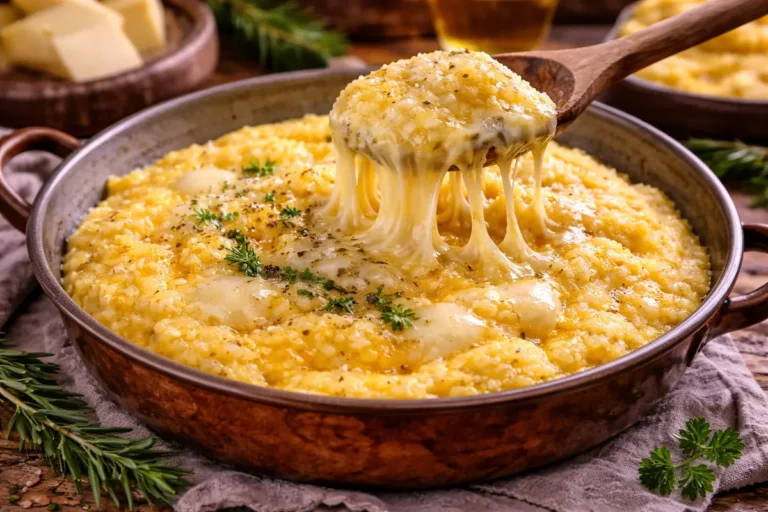
Continue exploring regional Italian cooking with Polenta with Cheese and Butter and Valdostana Cheese Fondue.