Tegole Valdostane: Thin Almond and Hazelnut Biscuits
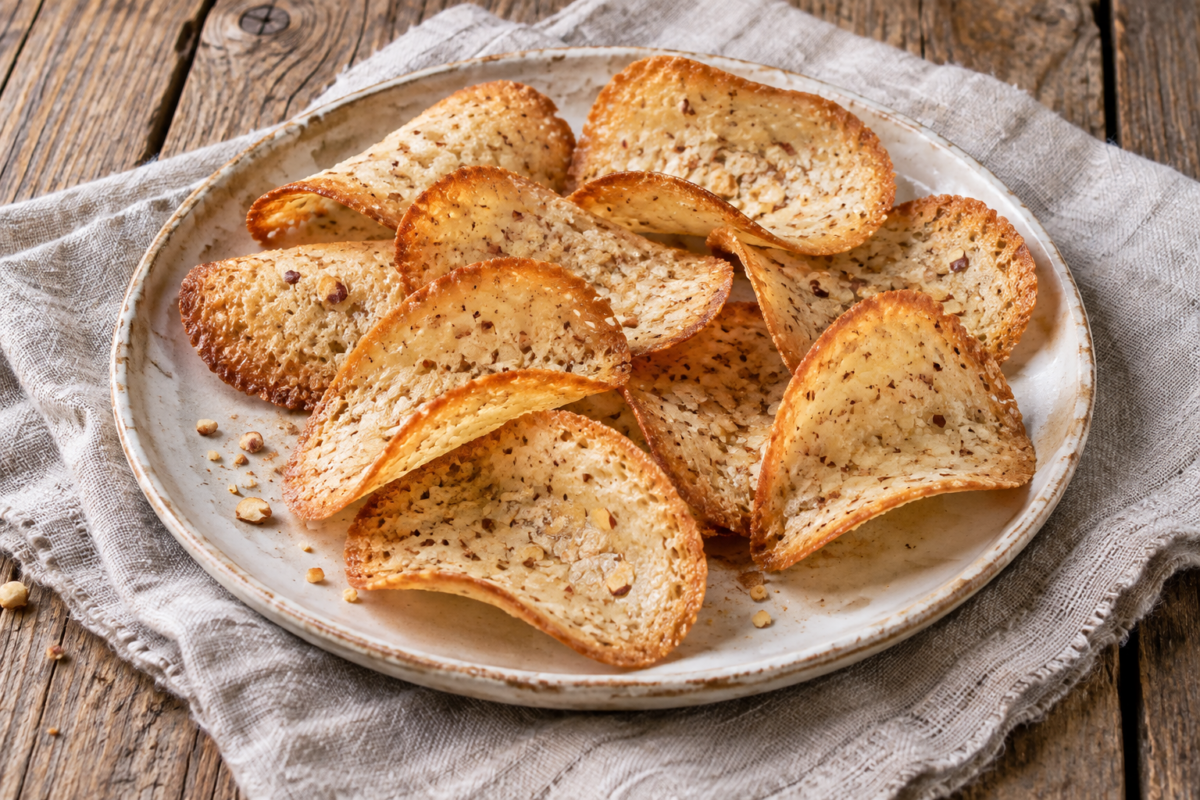
Tegole valdostane are exceptionally thin nut biscuits named after the curved roof tiles they resemble. Almonds and hazelnuts give them flavour, while egg white and butter create a crisp, delicate structure.
Their characteristic curve is made while the biscuits are still warm. Once cool they become brittle, so the shaping needs to happen quickly.
Recipe at a Glance
- Region: Valle d’Aosta
- Category: Dessert
- Yield: 20 biscuits
- Total time: approximately 32 minutes
This version keeps the recognisable regional character of the dish while giving practical cues for a UK home kitchen. The quantities, sequence and finishing texture matter more than decorative additions, so prepare the core ingredients carefully before considering optional variations.
Where Italian ingredients differ in strength, moisture or saltiness, taste and adjust conservatively. Any accessible substitute is identified as a substitute rather than presented as the traditional ingredient, keeping the distinction clear for readers.
What Is Tegole valdostane?
Tegole valdostane are very thin, crisp biscuits made with ground nuts. Their curved, tile-like shape gives them their name and distinguishes them from thicker almond biscuits.
They rely on even spreading and careful baking rather than raising agents. The centres should become crisp after cooling, with a delicate toasted almond and hazelnut flavour.
The Biscuit Shaped Like an Alpine Roof Tile
Tegole are associated with Aosta and are often served with coffee, dessert wine or a spoonful of cream. They should be thin enough to snap cleanly rather than eat like ordinary cookies.
Spread the batter evenly and bake one tray at a time. Uneven biscuits will have burnt edges before the centre becomes crisp.
Ingredients and Why They Matter
Grind the almonds and hazelnuts finely but stop before their oils turn them into nut butter. Egg white binds the mixture and sugar creates the brittle texture. A small amount of flour may be used according to the recipe style.
Because the biscuits are thin, accurate portioning matters. Use baking parchment or a silicone mat and spread each round to the same diameter and thickness.
- 80 g blanched almonds
- 80 g toasted hazelnuts
- 150 g caster sugar
- 40 g plain flour
- 2 egg whites
- 60 g unsalted butter, melted
- 1 tsp vanilla
- A pinch of salt
Before You Start
This recipe makes 20 biscuits. Allow approximately 20 minutes for preparation and 12 minutes for cooking. Read through the complete method first and prepare every ingredient before the main cooking begins.
Times are a practical guide rather than a substitute for sight, aroma and texture. Pan size, ingredient temperature and individual ovens can change the pace, so use the sensory cues in the method and tips to decide when each stage is ready.
Keep a clean plate, the necessary draining tools and any finishing ingredients ready before cooking. This prevents the final stage from waiting while a hot sauce, fried coating, delicate dough or freshly cooked pasta loses its intended texture.
How to Make Tegole valdostane
- Grind the nuts.
Pulse almonds and hazelnuts finely, stopping before they turn into paste. - Mix the batter.
Combine nuts, sugar, flour and salt, then stir in egg whites, butter and vanilla. - Spread thinly.
Place small spoonfuls on a lined tray and spread each into a very thin oval. - Bake.
Bake at 180°C until the edges are deep golden and the centres are set. - Shape while warm.
Lift each biscuit immediately and curve it over a rolling pin or bottle until cool.
Expert Cooking Tips
- Leave plenty of space.
The batter spreads as it bakes. - Work in small batches.
Warm biscuits are easier to shape. - Store airtight.
Humidity quickly softens their crisp texture.
Bake one tray at a time if the oven heats unevenly. The edges should colour gently while the centres look dry. Watch closely during the final minutes because thin nut biscuits move quickly from golden to burnt.
Shape immediately after baking over a rolling pin or bottle if a curved tile is desired. Once cool, they become brittle and should no longer be bent.
Common Mistakes to Avoid
The most common problems come from rushing the main technique or correcting seasoning too early. Keep the heat appropriate to the method, allow ingredients to reach the texture described above and taste again near the end, especially when cheese, cured meat, seafood or reduced broth contributes salt.
Measure the principal ingredients accurately on the first attempt. Once you understand the intended consistency, small adjustments are easier to make without changing the identity of the dish.
Authentic Variations and Substitutions
The ratio of almonds to hazelnuts and the use of vanilla vary between producers and home recipes. Preserve the thin format and clean nut flavour rather than adding heavy decoration.
How to Serve Tegole valdostane
Serve with espresso, hot chocolate or a small glass of dessert wine.
Serve with coffee, tea or a spoon dessert such as chocolate pudding. Their crispness makes them especially useful beside something soft and creamy.
Storage and Reheating
Cool completely and keep in an airtight tin for up to one week. Humidity softens tegole; if needed, refresh briefly in a low oven and cool again before storing.
Frequently Asked Questions
What texture should Tegole valdostane have?
Shape immediately after baking over a rolling pin or bottle if a curved tile is desired. Once cool, they become brittle and should no longer be bent.
Can Tegole valdostane be made ahead?
Cool completely and keep in an airtight tin for up to one week. Humidity softens tegole; if needed, refresh briefly in a low oven and cool again before storing.
What substitutions are possible in Tegole valdostane?
The ratio of almonds to hazelnuts and the use of vanilla vary between producers and home recipes. Preserve the thin format and clean nut flavour rather than adding heavy decoration.
More Valle d’Aosta Recipes
Continue exploring regional Italian cooking with Gnocchi with Fontina Cheese Sauce and Valdostana Cheese Fondue.