Italian Tinned Fish Is Becoming a Smarter Pantry Habit
Italian tinned fish is becoming a smarter pantry habit because it gives home cooks quick access to flavour. Anchovies, tuna, sardines and preserved seafood can turn pasta, salad, vegetables or crostini into something much more interesting than the ingredient list suggests.
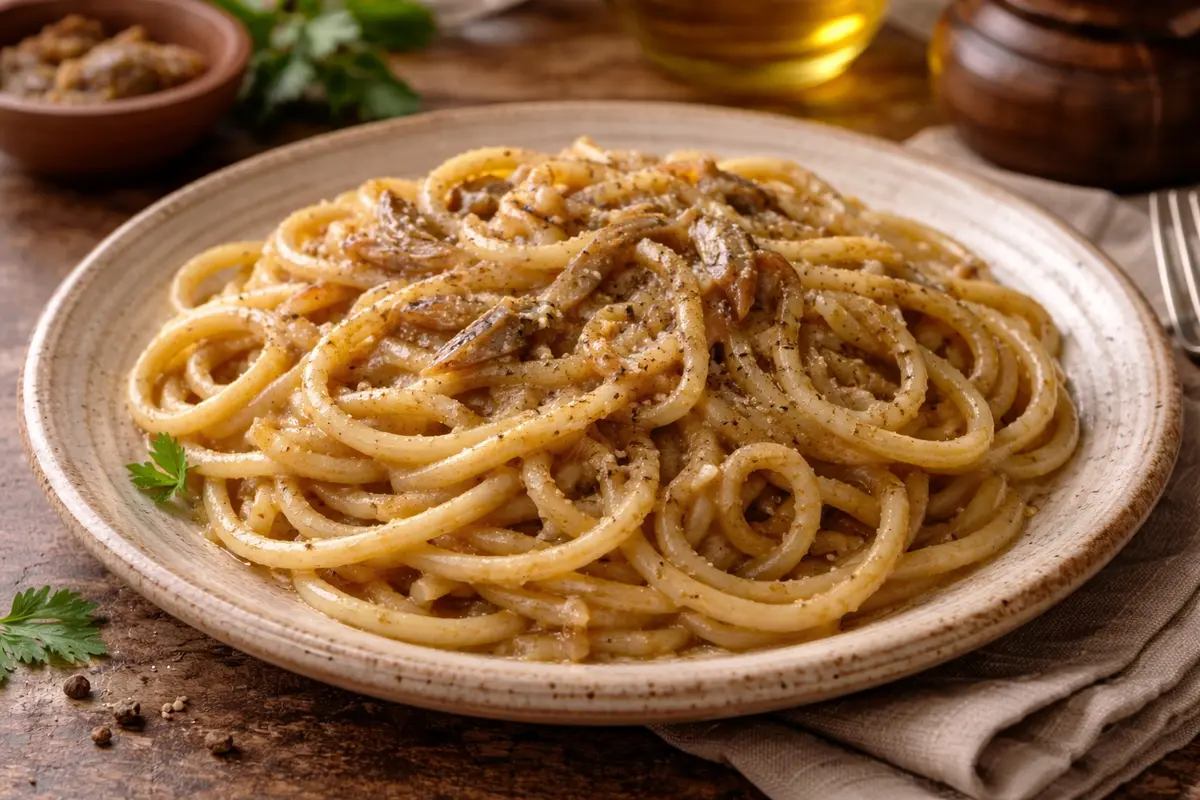
The key is using tinned fish as seasoning, not only as a topping. In anchovy pasta, the anchovies melt into the oil and become savoury depth rather than obvious pieces of fish. That is the trick many cooks are discovering.
Why Anchovies Are the Gateway Ingredient
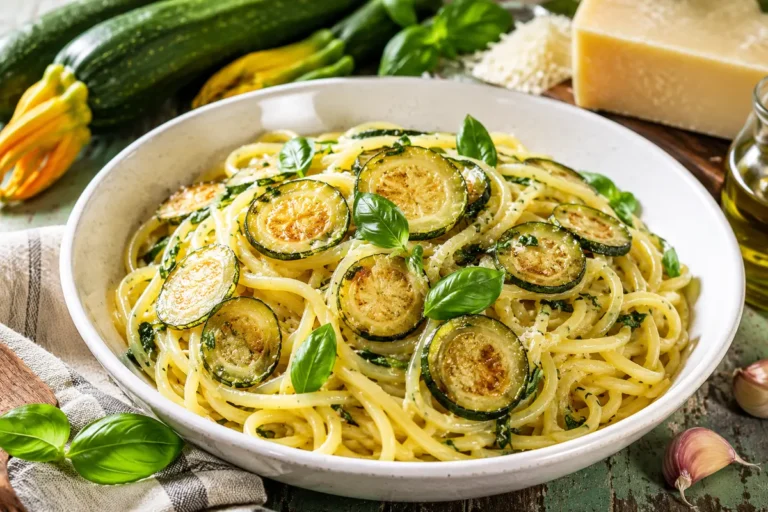
Anchovies are powerful, but they do not need to dominate. Warmed gently with olive oil and garlic, they dissolve and season the whole pan. Add pasta water, parsley, chilli or breadcrumbs and the result can taste rounded, not fishy.
This makes anchovies useful for people who want more flavour without making complicated sauces. A small tin can rescue a weeknight dinner.
The Pantry Trend With Real Italian Logic
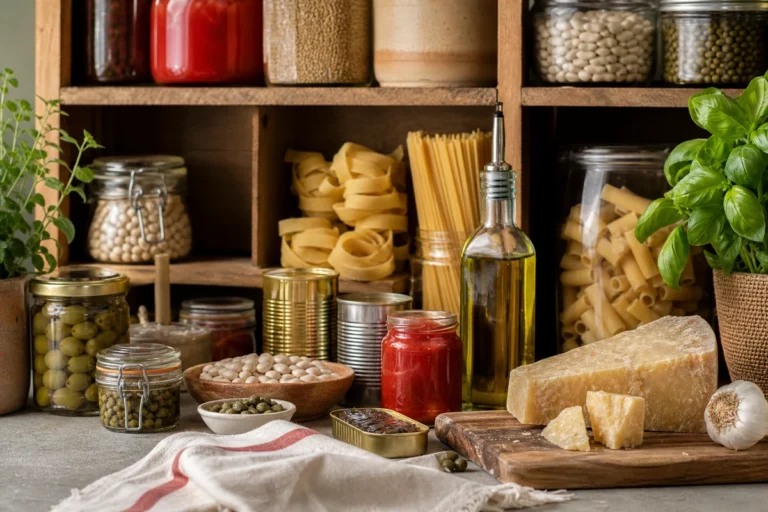
Preserved fish has deep roots in coastal and southern Italian cooking, but the current interest feels very practical. People want ingredients that keep well, cost less than fresh seafood and still bring character to the plate.
It also sits naturally beside dishes such as spaghetti with clams, where seafood and pasta depend on timing, salinity and a light hand rather than heavy sauce.
How to Keep It Elegant
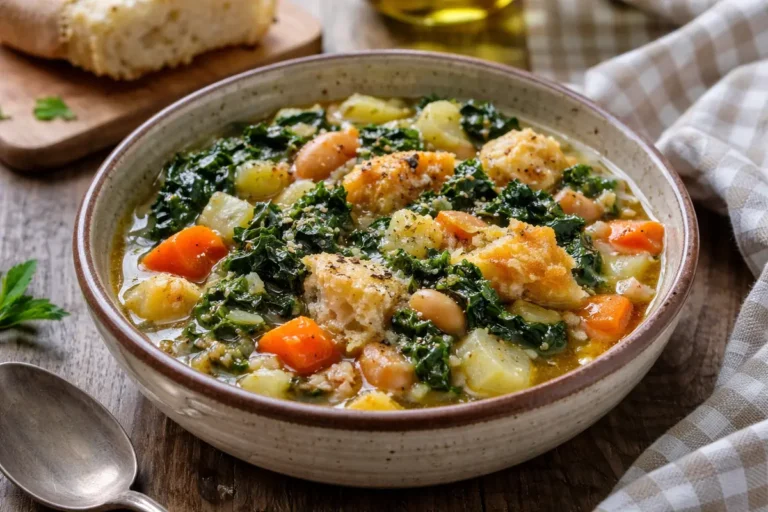
The mistake is adding too much. Tinned fish needs balance: lemon, vinegar, herbs, tomato, beans, potatoes, bitter leaves or good bread can all help. Olive oil should be good enough to taste, especially when the dish is not cooked for long.
For tuna, look for texture and use it where it will not be smashed into a paste. For sardines, pair them with acidity. For anchovies, let them dissolve and do quiet work in the background.
A Small Tin Can Change Dinner
This trend is not about novelty. It is about remembering that the pantry can hold ingredients with real personality. Italian tinned fish helps cooks make faster food that still tastes intentional, which is exactly why it keeps appearing in modern kitchens.