Mondeghili: Traditional Milanese Meatballs
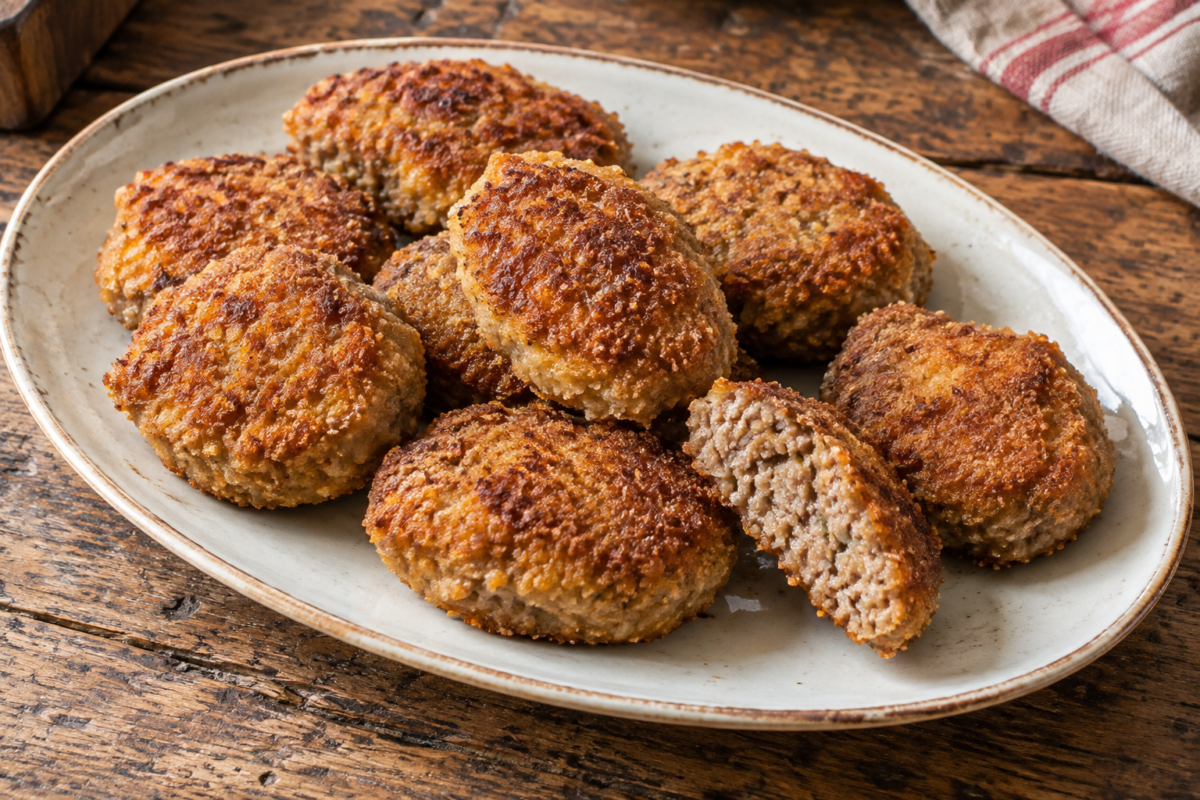
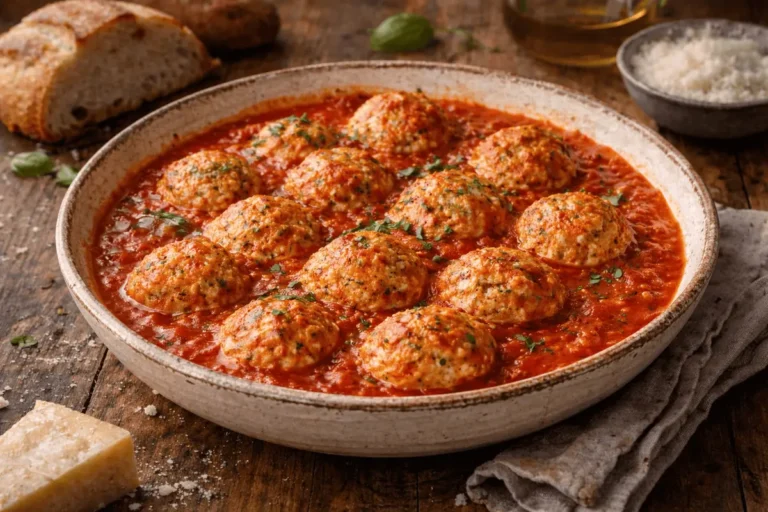
Mondeghili are Milanese meatballs traditionally made to use cooked beef left from broth. Bread, egg, Parmesan and parsley turn the meat into small flattened patties that are coated and fried in butter.
They are not served in tomato sauce. Their appeal comes from a crisp golden outside and a soft, gently seasoned centre.
Recipe at a Glance
- Region: Lombardy
- Category: Main course
- Yield: 4 servings
- Total time: approximately 45 minutes
This version keeps the recognisable regional character of the dish while giving practical cues for a UK home kitchen. The quantities, sequence and finishing texture matter more than decorative additions, so prepare the core ingredients carefully before considering optional variations.
Where Italian ingredients differ in strength, moisture or saltiness, taste and adjust conservatively. Any accessible substitute is identified as a substitute rather than presented as the traditional ingredient, keeping the distinction clear for readers.
What Is Mondeghili?
Mondeghili are Milanese meatballs traditionally associated with the resourceful use of leftover cooked meat. The meat is minced with bread, egg, cheese and aromatics, shaped into flattened ovals and fried in butter or another suitable fat.
Their texture should be soft and cohesive, not springy like a meatball made from raw mince. Because the meat is already cooked, frying is mainly about heating the centre and creating a golden crust.
Milan’s Resourceful Leftover Recipe
The name reflects layers of cultural influence in Milan, while the recipe itself shows the practical logic of home cooking: good boiled meat is never wasted.
Use cooked beef that is tender rather than dry. A small amount of mortadella is sometimes added for richness, but the mixture should still taste balanced.
Ingredients and Why They Matter
Use tender cooked beef or a mixture of leftover meats with gristle and hard fat removed. Soaked bread keeps the interior moist, while egg and grated cheese provide binding and seasoning.
Parsley, nutmeg or lemon zest may be used in restrained quantities. Taste a small cooked piece before adding salt because leftover meat and cheese may already be well seasoned.
- 450 g cooked beef
- 100 g stale bread
- 120 ml milk
- 1 egg
- 50 g grated Parmesan
- 50 g mortadella, optional
- 2 tbsp chopped parsley
- Breadcrumbs, for coating
- 60 g butter
- Nutmeg, salt and pepper
Before You Start
This recipe makes 4 servings. Allow approximately 25 minutes for preparation and 20 minutes for cooking. Read through the complete method first and prepare every ingredient before the main cooking begins.
Times are a practical guide rather than a substitute for sight, aroma and texture. Pan size, ingredient temperature and individual ovens can change the pace, so use the sensory cues in the method and tips to decide when each stage is ready.
Keep a clean plate, the necessary draining tools and any finishing ingredients ready before cooking. This prevents the final stage from waiting while a hot sauce, fried coating, delicate dough or freshly cooked pasta loses its intended texture.
How to Make Mondeghili
- Soak the bread.
Soak bread in milk, squeeze it well and crumble it into a bowl. - Prepare the mixture.
Mince the cooked beef and mortadella, then mix with bread, egg, Parmesan, parsley and nutmeg. - Shape.
Form small flattened oval patties and coat lightly in breadcrumbs. - Fry gently.
Melt butter in a wide pan and cook the mondeghili until golden on both sides. - Drain and rest.
Drain briefly and rest for two minutes before serving.
Expert Cooking Tips
- Do not overprocess.
A paste-like mixture produces dense meatballs. - Season after tasting.
Cooked beef and mortadella may already contain salt. - Use moderate heat.
Butter and breadcrumbs can burn quickly.
Mince the meat finely but do not process it into paste. Mix only until combined and form small, slightly flattened ovals so they heat through before the coating becomes too dark.
Fry over moderate heat and turn carefully. Butter gives characteristic flavour but must not burn; clarified butter offers a wider margin if available.
Common Mistakes to Avoid
The most common problems come from rushing the main technique or correcting seasoning too early. Keep the heat appropriate to the method, allow ingredients to reach the texture described above and taste again near the end, especially when cheese, cured meat, seafood or reduced broth contributes salt.
Measure the principal ingredients accurately on the first attempt. Once you understand the intended consistency, small adjustments are easier to make without changing the identity of the dish.
Authentic Variations and Substitutions
The meat mixture reflects what a household had available, so precise combinations vary. The defining principle is the transformation of cooked meat, not the use of one compulsory cut.
How to Serve Mondeghili
Serve hot with salad, sautéed greens or potatoes. Lemon wedges are a useful fresh contrast.
Serve hot or warm as a second course or antipasto, with salad, greens or potatoes. They do not require tomato sauce.
Storage and Reheating
Refrigerate cooked mondeghili for up to two days and reheat once in a pan or hot oven. The shaped, uncooked mixture can be chilled for several hours before frying.
Frequently Asked Questions
What texture should Mondeghili have?
Fry over moderate heat and turn carefully. Butter gives characteristic flavour but must not burn; clarified butter offers a wider margin if available.
Can Mondeghili be made ahead?
Refrigerate cooked mondeghili for up to two days and reheat once in a pan or hot oven. The shaped, uncooked mixture can be chilled for several hours before frying.
What substitutions are possible in Mondeghili?
The meat mixture reflects what a household had available, so precise combinations vary. The defining principle is the transformation of cooked meat, not the use of one compulsory cut.
More Lombardy Recipes
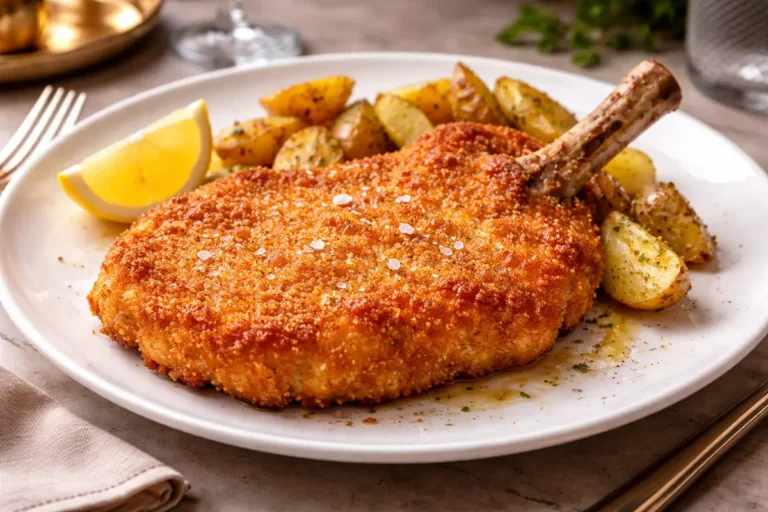
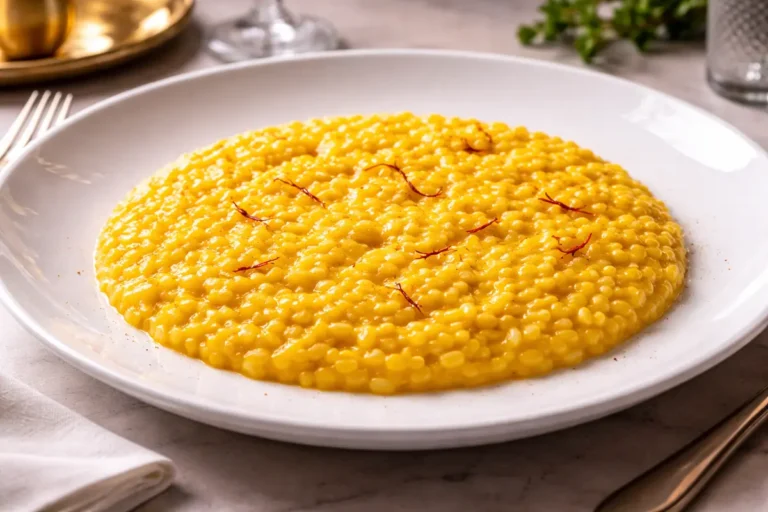
Continue exploring regional Italian cooking with Saffron Risotto alla Milanese and Milanese Veal Cutlet.