Polenta Taragna: Buckwheat Polenta with Cheese
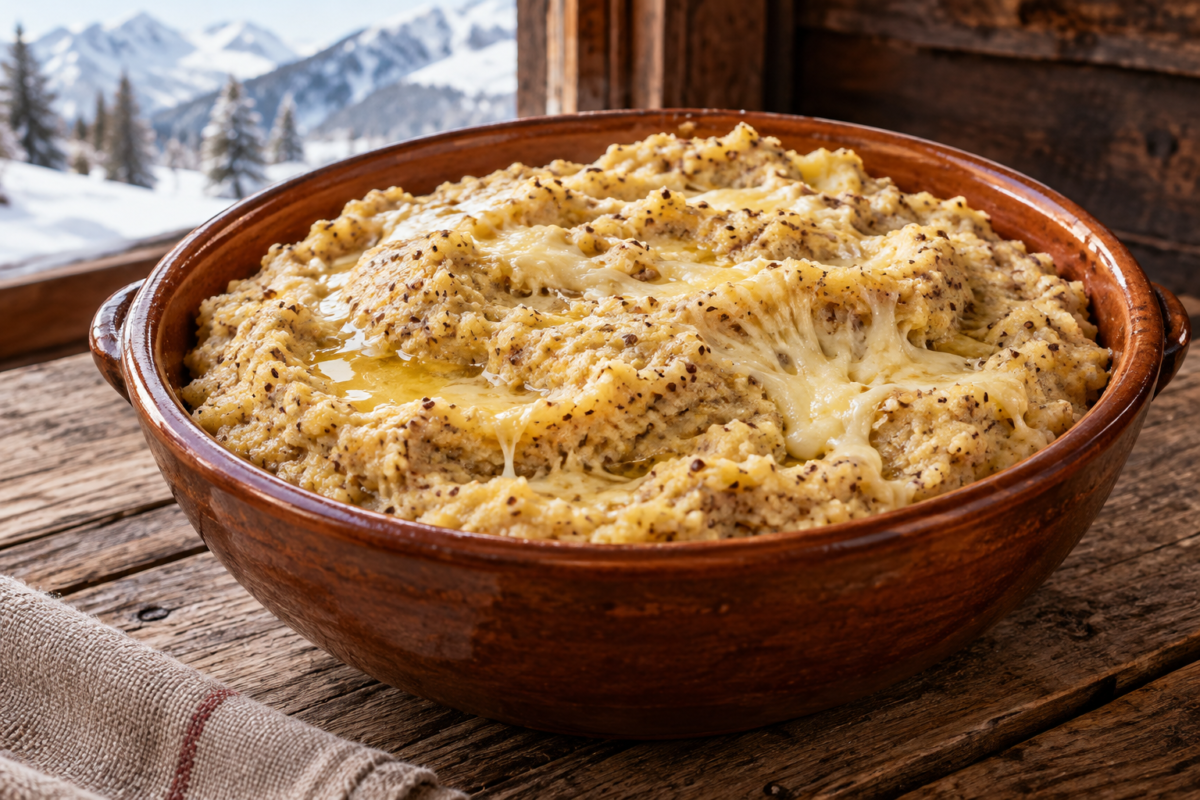
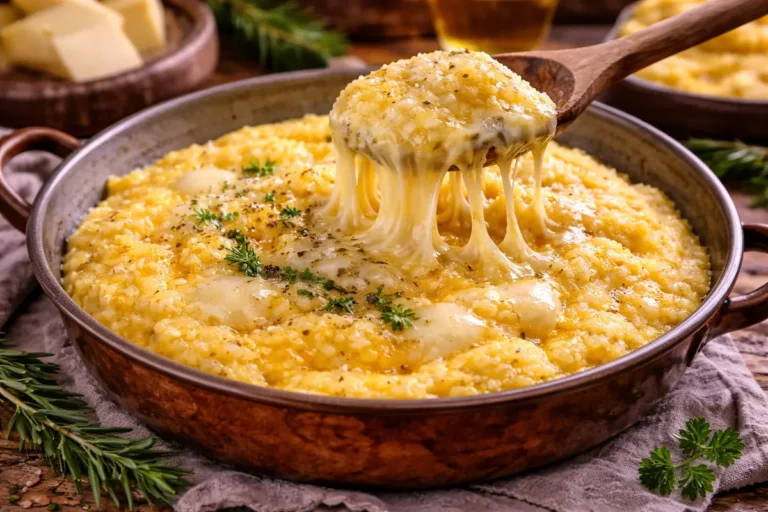
Polenta taragna combines maize with buckwheat flour, giving the polenta a darker colour, nutty flavour and rustic texture. Butter and mountain cheese are stirred in at the end until the mixture becomes rich and stretchy.
It can be served as a main dish or beside stew. The key is enough cooking time: undercooked buckwheat polenta tastes raw and feels gritty.
Recipe at a Glance
- Region: Lombardy
- Category: Side dish
- Yield: 4 servings
- Total time: approximately 1 hour
This version keeps the recognisable regional character of the dish while giving practical cues for a UK home kitchen. The quantities, sequence and finishing texture matter more than decorative additions, so prepare the core ingredients carefully before considering optional variations.
Where Italian ingredients differ in strength, moisture or saltiness, taste and adjust conservatively. Any accessible substitute is identified as a substitute rather than presented as the traditional ingredient, keeping the distinction clear for readers.
What Is Polenta taragna?
Polenta taragna is an Alpine polenta made with a mixture that includes buckwheat flour, giving it a grey-brown colour and a nutty, earthy flavour. Butter and local cheese are stirred in towards the end for richness and stretch.
It is associated particularly with Valtellina and parts of Lombardy. The texture should be thick and spoonable, with the grain fully cooked and no raw flour taste.
Polenta from the Valtellina Mountains
The dish is strongly associated with Valtellina and the Alpine valleys of Lombardy. Its name is linked to the long wooden stick traditionally used to stir the polenta.
Cheese varies by area and household. Bitto, Casera or another good melting mountain cheese will all work, provided the flavour is nutty rather than aggressively sharp.
Ingredients and Why They Matter
Use flour sold for polenta taragna or combine maize and buckwheat flours in the stated proportion. Buckwheat has no gluten but still needs thorough cooking to soften its flavour and texture.
Valtellina Casera is a regional choice, while Fontina or another good melting Alpine cheese can be a practical substitute. State the substitution because each cheese changes saltiness and aroma.
- 200 g buckwheat flour
- 150 g coarse maize polenta
- 1.5 litres water
- 180 g Valtellina Casera or Fontina, diced
- 70 g butter
- 1 tsp salt
- Black pepper
Before You Start
This recipe makes 4 servings. Allow approximately 10 minutes for preparation and 50 minutes for cooking. Read through the complete method first and prepare every ingredient before the main cooking begins.
Times are a practical guide rather than a substitute for sight, aroma and texture. Pan size, ingredient temperature and individual ovens can change the pace, so use the sensory cues in the method and tips to decide when each stage is ready.
Keep a clean plate, the necessary draining tools and any finishing ingredients ready before cooking. This prevents the final stage from waiting while a hot sauce, fried coating, delicate dough or freshly cooked pasta loses its intended texture.
How to Make Polenta taragna
- Heat the water.
Bring the water to a simmer in a heavy pot and add salt. - Whisk in the flour.
Combine buckwheat and maize, then pour in gradually while whisking. - Cook slowly.
Lower the heat and cook, stirring frequently, until thick and fully tender. - Add butter.
Beat in the butter until absorbed. - Melt the cheese.
Fold in diced cheese off the heat, leaving some visible melted ribbons.
Expert Cooking Tips
- Use a heavy pan.
It distributes heat and reduces scorching. - Stir from the bottom.
Buckwheat polenta catches easily. - Serve immediately.
The cheese firms as the dish cools.
Add the flour in a steady stream to simmering salted water while whisking to prevent lumps. Once thick, switch to a sturdy spoon and cook gently, scraping the base regularly.
Add butter and cheese only when the grain is fully cooked. Stir until melted and cohesive, then serve without a long delay because the polenta firms as it stands.
Common Mistakes to Avoid
The most common problems come from rushing the main technique or correcting seasoning too early. Keep the heat appropriate to the method, allow ingredients to reach the texture described above and taste again near the end, especially when cheese, cured meat, seafood or reduced broth contributes salt.
Measure the principal ingredients accurately on the first attempt. Once you understand the intended consistency, small adjustments are easier to make without changing the identity of the dish.
Authentic Variations and Substitutions
The ratio of buckwheat to maize and the cheese combination vary by valley and household. Use the proportion as a declared house version rather than a universal rule.
How to Serve Polenta taragna
Spoon into warm bowls alone or serve beside braised beef, mushrooms or sausages.
Serve as a substantial first course or alongside braised meat, mushrooms or cabbage. Its richness calls for simple accompaniments and moderate portions.
Storage and Reheating
Spread leftovers in a shallow tray and refrigerate for up to two days. Once firm, slice and grill or pan-fry; reheated polenta will not return exactly to its original creamy texture.
Frequently Asked Questions
What texture should Polenta taragna have?
Add butter and cheese only when the grain is fully cooked. Stir until melted and cohesive, then serve without a long delay because the polenta firms as it stands.
Can Polenta taragna be made ahead?
Spread leftovers in a shallow tray and refrigerate for up to two days. Once firm, slice and grill or pan-fry; reheated polenta will not return exactly to its original creamy texture.
What substitutions are possible in Polenta taragna?
The ratio of buckwheat to maize and the cheese combination vary by valley and household. Use the proportion as a declared house version rather than a universal rule.
More Lombardy Recipes
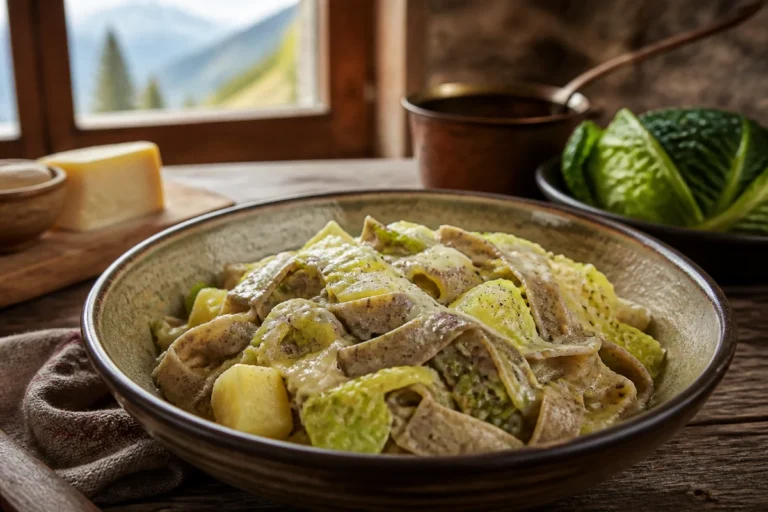
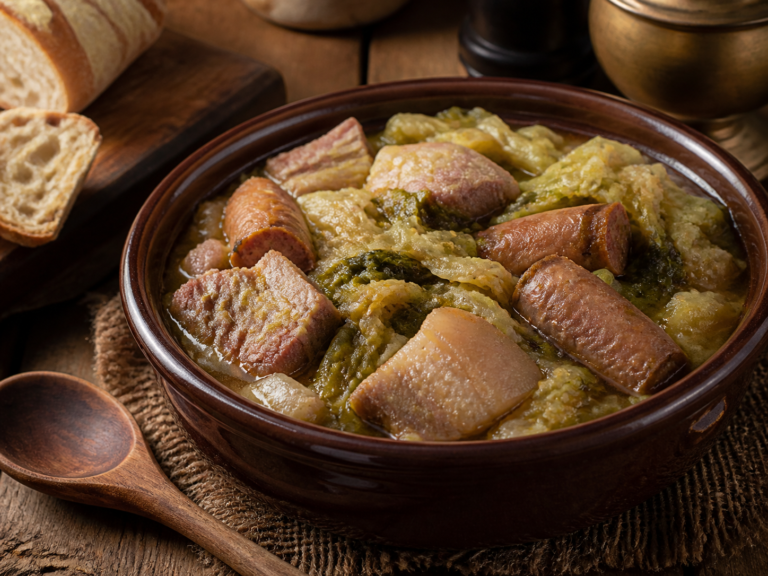
Continue exploring regional Italian cooking with Pizzoccheri alla Valtellinese and Cassoeula.