Pallotte Cacio e Ova: Abruzzo Cheese and Egg Balls
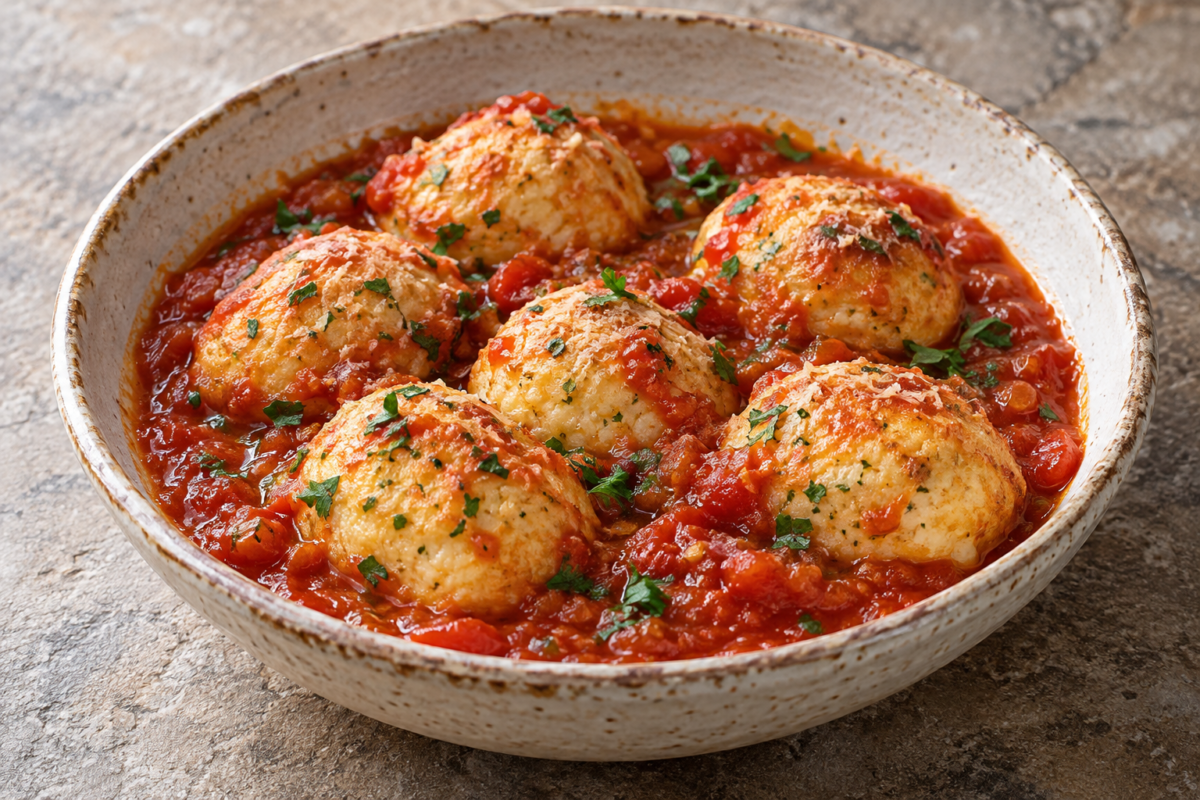
Pallotte cacio e ova are a resourceful Abruzzo dish made from grated cheese, eggs and enough breadcrumbs to hold the mixture together. After frying, the golden balls finish gently in tomato sauce.
They may resemble meatballs, but the centre is softer and distinctly cheesy. The mixture should be firm enough to shape without becoming dense.
Recipe at a Glance
- Region: Abruzzo
- Category: Main course
- Yield: 4 servings
- Total time: approximately 1 hour
This version keeps the recognisable regional character of the dish while giving practical cues for a UK home kitchen. The quantities, sequence and finishing texture matter more than decorative additions, so prepare the core ingredients carefully before considering optional variations.
Where Italian ingredients differ in strength, moisture or saltiness, taste and adjust conservatively. Any accessible substitute is identified as a substitute rather than presented as the traditional ingredient, keeping the distinction clear for readers.
What Is Pallotte cacio e ova?
Pallotte cacio e ova are Abruzzese cheese-and-egg balls, usually fried and then simmered briefly in tomato sauce. They show how stale bread, grated cheese and eggs can become a substantial meat-free dish.
The finished pallotte should be tender and savoury inside, with enough structure to survive frying and saucing. They are not meant to imitate meatballs; cheese is their central flavour.
A Meatless Classic from Abruzzo
The recipe comes from cucina povera, where eggs and aged cheese could create a satisfying main course without meat. It remains common in home cooking and local trattorie.
Use a mixture of pecorino and a milder aged cheese. Very salty pecorino on its own can dominate both the filling and the sauce.
Ingredients and Why They Matter
Use a well-flavoured grated cheese, often pecorino or a local mixed cheese, and taste before adding salt. Stale breadcrumbs absorb the egg and control consistency. Fresh parsley adds contrast to the rich mixture.
The tomato sauce should be simple and loose enough to surround the fried balls. A very thick sauce cannot penetrate them and may catch during the final simmer.
- 200 g grated pecorino
- 100 g grated Parmesan
- 4 eggs
- 80 g fine breadcrumbs, approximately
- 2 tbsp chopped parsley
- 700 ml tomato passata
- 1 garlic clove
- Olive oil, for frying and sauce
- Salt and black pepper
Before You Start
This recipe makes 4 servings. Allow approximately 25 minutes for preparation and 35 minutes for cooking. Read through the complete method first and prepare every ingredient before the main cooking begins.
Times are a practical guide rather than a substitute for sight, aroma and texture. Pan size, ingredient temperature and individual ovens can change the pace, so use the sensory cues in the method and tips to decide when each stage is ready.
Keep a clean plate, the necessary draining tools and any finishing ingredients ready before cooking. This prevents the final stage from waiting while a hot sauce, fried coating, delicate dough or freshly cooked pasta loses its intended texture.
How to Make Pallotte cacio e ova
- Make the tomato sauce.
Cook garlic gently in olive oil, add passata and simmer while you prepare the balls. - Mix the filling.
Combine cheeses, eggs, parsley and enough breadcrumbs to make a soft shapeable mixture. - Shape.
Rest for ten minutes, then form small oval balls with damp hands. - Fry.
Fry until evenly golden and drain briefly. - Finish in sauce.
Lower the pallotte into the tomato sauce and simmer gently for fifteen minutes.
Expert Cooking Tips
- Rest the mixture.
Breadcrumbs need time to absorb moisture. - Make a test ball.
If it spreads, add a little more breadcrumb. - Simmer gently.
Hard boiling can break the soft balls.
Rest the mixture before shaping so the crumbs hydrate. Form one test ball: if it spreads in the oil, add a little breadcrumb; if it is dry and cracks, add a small amount of beaten egg.
Fry until golden rather than dark, drain, then simmer gently in the sauce only long enough to soften the exterior and bring the flavours together.
Common Mistakes to Avoid
The most common problems come from rushing the main technique or correcting seasoning too early. Keep the heat appropriate to the method, allow ingredients to reach the texture described above and taste again near the end, especially when cheese, cured meat, seafood or reduced broth contributes salt.
Measure the principal ingredients accurately on the first attempt. Once you understand the intended consistency, small adjustments are easier to make without changing the identity of the dish.
Authentic Variations and Substitutions
Cheese choices and the proportion of bread differ across Abruzzo households. Some versions are larger or more sauce-soaked than others. Keep the mixture cheese-led and describe the selected balance clearly.
How to Serve Pallotte cacio e ova
Serve with plenty of tomato sauce and bread. Let the pallotte rest for five minutes before eating.
Serve hot with plenty of tomato sauce and bread. They can be a first course or a meat-free main dish with bitter greens or salad.
Storage and Reheating
Refrigerate cooked pallotte in their sauce for up to two days and reheat gently until piping hot. The uncooked mixture can be prepared several hours ahead and kept chilled.
Frequently Asked Questions
What texture should Pallotte cacio e ova have?
Fry until golden rather than dark, drain, then simmer gently in the sauce only long enough to soften the exterior and bring the flavours together.
Can Pallotte cacio e ova be made ahead?
Refrigerate cooked pallotte in their sauce for up to two days and reheat gently until piping hot. The uncooked mixture can be prepared several hours ahead and kept chilled.
What substitutions are possible in Pallotte cacio e ova?
Cheese choices and the proportion of bread differ across Abruzzo households. Some versions are larger or more sauce-soaked than others. Keep the mixture cheese-led and describe the selected balance clearly.
More Abruzzo Recipes
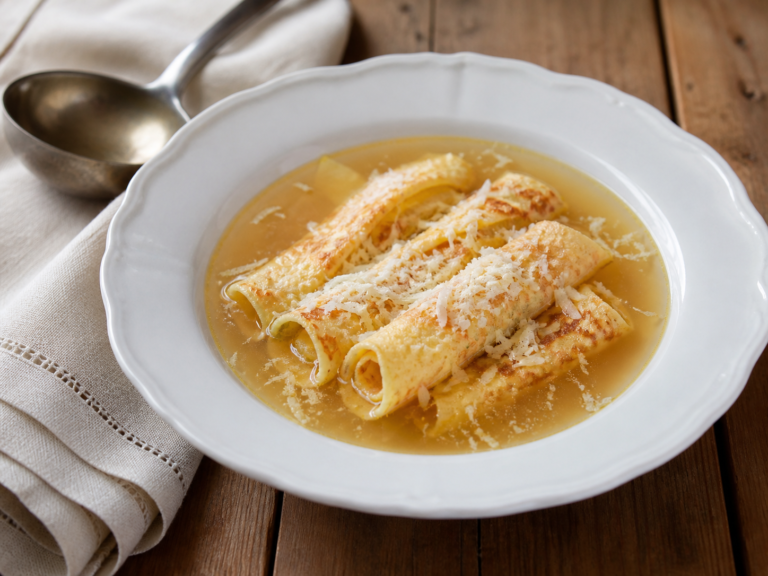
Continue exploring regional Italian cooking with Scrippelle Mbusse and Abruzzo Lamb Skewers.