Maccheroni alla Chitarra with Abruzzo Meat Ragù
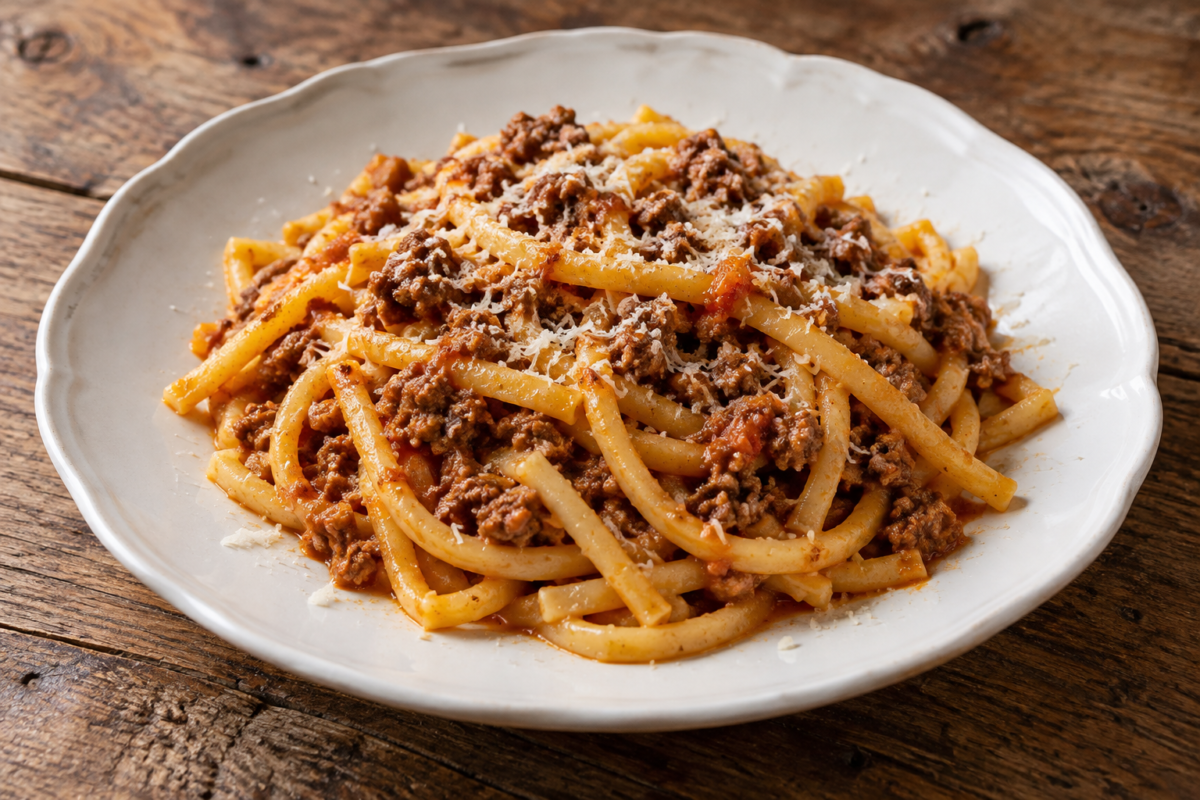
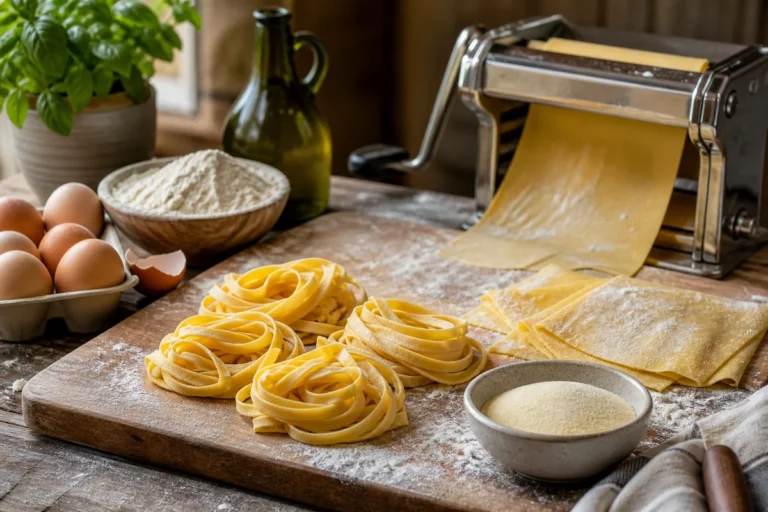
Maccheroni alla chitarra are long square strands made by pressing egg pasta through the wires of a wooden chitarra. Their firm edges and rough surface are designed to hold a substantial sauce.
A slow meat ragù is a classic partner. The sauce should be reduced enough to coat the pasta rather than pool around it.
Recipe at a Glance
- Region: Abruzzo
- Category: Pasta
- Yield: 4 servings
- Total time: approximately 2 hours 30 minutes
This version keeps the recognisable regional character of the dish while giving practical cues for a UK home kitchen. The quantities, sequence and finishing texture matter more than decorative additions, so prepare the core ingredients carefully before considering optional variations.
Where Italian ingredients differ in strength, moisture or saltiness, taste and adjust conservatively. Any accessible substitute is identified as a substitute rather than presented as the traditional ingredient, keeping the distinction clear for readers.
What Is Maccheroni alla chitarra?
Maccheroni alla chitarra are square-section egg pasta strands from Abruzzo, cut by pressing a sheet of dough over the wires of a wooden chitarra. Their angular surface gives them a firm bite and helps a slow meat ragù cling.
The dish is about the partnership between pasta and sauce. A well-reduced ragù should coat the strands without burying their texture, while the pasta must remain resilient rather than soft.
The Pasta Cut on Strings
The chitarra tool resembles a small stringed instrument: a sheet of dough is rolled over its wires and the cut strands fall below. The result is thicker and more angular than spaghetti.
If you do not own the tool, a chitarra cutter or good dried square spaghetti can preserve the spirit of the dish. Keep the pasta al dente so its shape remains distinct.
Ingredients and Why They Matter
A traditional-style egg dough needs careful kneading and rest before it is rolled. If using dried maccheroni alla chitarra, choose a good bronze-drawn product with a rough surface.
Abruzzese ragù varies in its mixture of meats. Whatever combination is chosen, brown it properly, keep tomato in balance and cook until the meat is tender and the sauce concentrated.
- 300 g fine semolina or 00 flour
- 3 large eggs
- 300 g minced beef and lamb
- 1 small onion, finely chopped
- 1 carrot, finely chopped
- 1 celery stalk, finely chopped
- 100 ml red wine
- 500 ml tomato passata
- Olive oil
- Pecorino, salt and pepper
Before You Start
This recipe makes 4 servings. Allow approximately 45 minutes for preparation and 1 hour 45 minutes for cooking. Read through the complete method first and prepare every ingredient before the main cooking begins.
Times are a practical guide rather than a substitute for sight, aroma and texture. Pan size, ingredient temperature and individual ovens can change the pace, so use the sensory cues in the method and tips to decide when each stage is ready.
Keep a clean plate, the necessary draining tools and any finishing ingredients ready before cooking. This prevents the final stage from waiting while a hot sauce, fried coating, delicate dough or freshly cooked pasta loses its intended texture.
How to Make Maccheroni alla chitarra
- Make the pasta dough.
Knead flour and eggs until smooth, rest for thirty minutes, then roll into sheets. - Cut the chitarra.
Press sheets over a chitarra or cut into thick square strands. Dust lightly with semolina. - Start the ragù.
Soften onion, carrot and celery, add the meat and brown it thoroughly. - Simmer.
Deglaze with wine, add passata and simmer gently until thick and tender. - Cook and toss.
Boil the pasta until al dente and toss with ragù and a little pasta water.
Expert Cooking Tips
- Keep the sheets firm.
Very thin dough will not produce the characteristic square strand. - Brown the meat well.
This builds depth before the tomato is added. - Finish in the pan.
The last minute of tossing helps the sauce adhere.
Roll the pasta sheet evenly to suit the chitarra, flour it lightly and press with a rolling pin until the strands fall through. Separate them promptly and dust sparingly with semolina.
Cook fresh pasta briefly, reserve water and finish in the ragù. Use pasta water only as needed: the final sauce should cling rather than become watery.
Common Mistakes to Avoid
The most common problems come from rushing the main technique or correcting seasoning too early. Keep the heat appropriate to the method, allow ingredients to reach the texture described above and taste again near the end, especially when cheese, cured meat, seafood or reduced broth contributes salt.
Measure the principal ingredients accurately on the first attempt. Once you understand the intended consistency, small adjustments are easier to make without changing the identity of the dish.
Authentic Variations and Substitutions
Sauces range from lamb-led ragù to mixed meats and versions with tiny meatballs. Identify the chosen Abruzzo-style ragù instead of implying that one meat combination represents every local table.
How to Serve Maccheroni alla chitarra
Serve hot with finely grated pecorino and black pepper.
Serve as a first course with grated pecorino if appropriate to the sauce. A modest portion is sufficient because both egg pasta and ragù are substantial.
Storage and Reheating
Ragù can be refrigerated for up to three days or frozen. Fresh pasta can be made ahead and chilled briefly or frozen in nests. Dress only the pasta required for the meal.
Frequently Asked Questions
What texture should Maccheroni alla chitarra have?
Cook fresh pasta briefly, reserve water and finish in the ragù. Use pasta water only as needed: the final sauce should cling rather than become watery.
Can Maccheroni alla chitarra be made ahead?
Ragù can be refrigerated for up to three days or frozen. Fresh pasta can be made ahead and chilled briefly or frozen in nests. Dress only the pasta required for the meal.
What substitutions are possible in Maccheroni alla chitarra?
Sauces range from lamb-led ragù to mixed meats and versions with tiny meatballs. Identify the chosen Abruzzo-style ragù instead of implying that one meat combination represents every local table.
More Abruzzo Recipes
Continue exploring regional Italian cooking with Timballo Teramano and Abruzzese Soffioni.