Why Risotto Patience Is Becoming a Kitchen Flex

Risotto patience is becoming a kitchen flex because it is one of the Italian techniques where care is obvious. You can taste when the rice has been rushed, drowned or ignored. You can also taste when the broth, stirring and final texture have been handled properly.
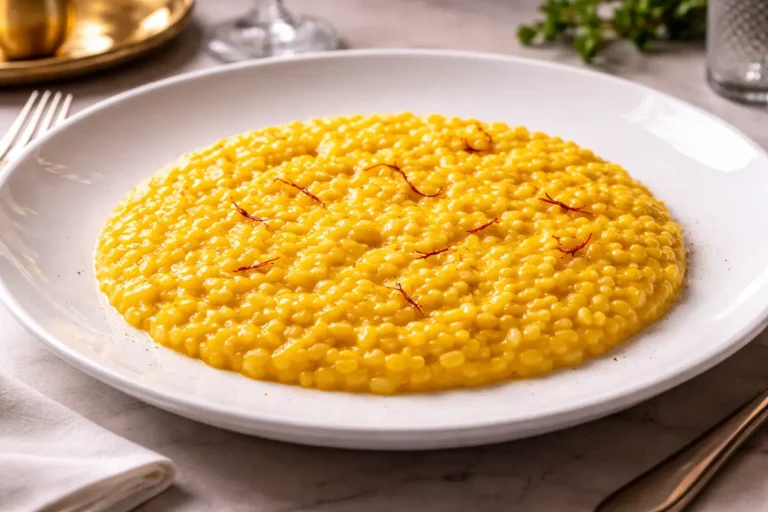
A classic such as saffron risotto shows why the technique still matters. The dish looks simple, but the result depends on attention from start to finish.
The Rice Is the Point
Risotto is not rice boiled in sauce. The grain should stay present. It needs to release starch while keeping a gentle bite. That is why choosing the right rice matters and why the liquid is added gradually instead of all at once.
When cooked well, risotto should move softly on the plate. It should not stand in a stiff mound or spread like soup.
Broth Does More Than Add Liquid
The broth seasons the rice from within. If the broth is bland, the risotto will struggle. If it is too salty, the final dish can become heavy before cheese or butter is even added.
This is where many home cooks improve quickly. Once the broth tastes good and is kept warm, the whole process becomes easier.
Why Stirring Has a Purpose
Stirring helps release starch, but risotto does not need frantic movement. It needs regular attention. Too little stirring can make the rice cook unevenly. Too much can break the grains and make the texture gluey.
The final step matters too. Resting briefly with butter or cheese gives the risotto a rounded finish. This is not decoration; it is structure.
A Slow Skill for Modern Cooks
Risotto is trending because it makes people feel present in the kitchen. It is not difficult, but it asks for care. That makes it satisfying to learn and easy to repeat with seasonal vegetables, seafood, mushrooms or cheese.