Saltimbocca alla Romana: Veal with Prosciutto and Sage
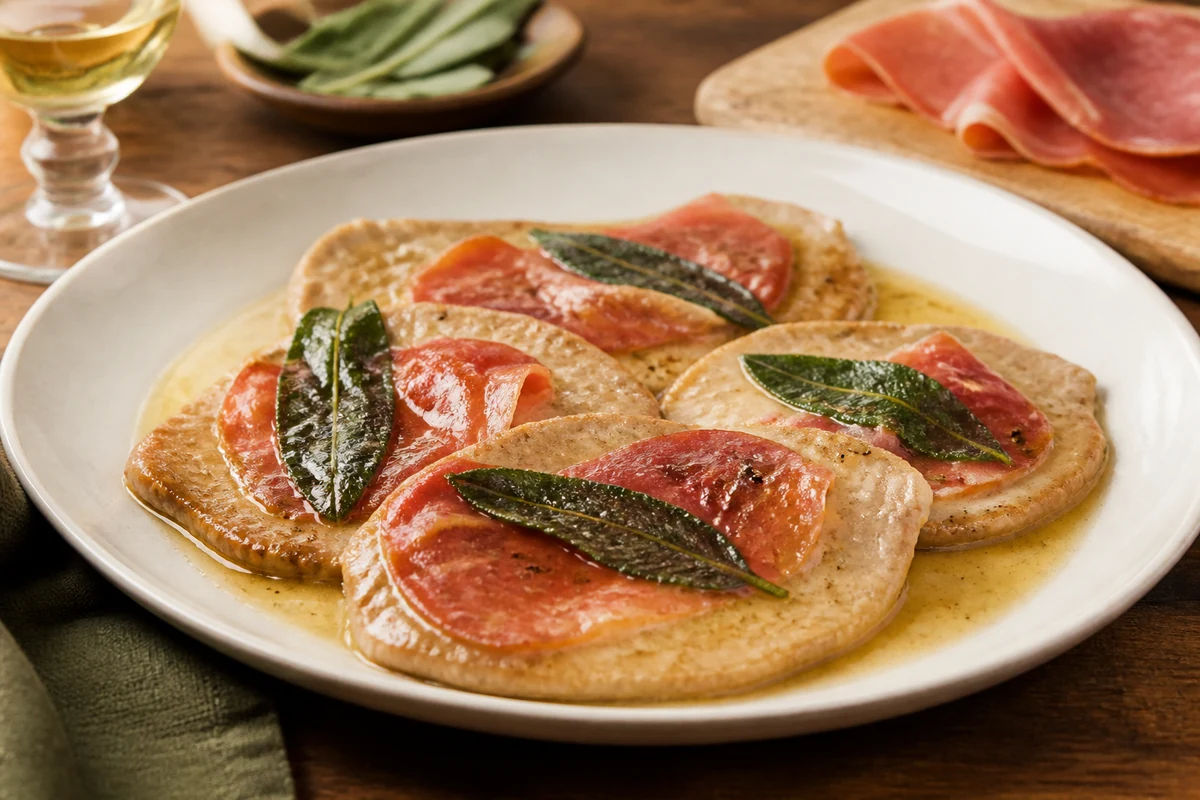
saltimbocca alla romana is one of those regional dishes where a short recipe is not enough. The result depends on texture, timing and the small choices that make Italian home cooking feel generous rather than rushed. This version keeps the method practical for a modern kitchen while respecting the character of Lazio.
Saltimbocca is fast, but it should not feel careless. Thin veal, good prosciutto and fresh sage do most of the work, while the white wine sauce catches the flavour left in the pan.
Why This Recipe Belongs to Lazio
The Roman identity of saltimbocca is tied to restraint. There are only a few ingredients, so the result depends on thin meat, quick cooking and a pan sauce that is glossy rather than heavy.
Prosciutto seasons the veal as it cooks. Because of that, salt needs to be used lightly and added only after tasting.
Ingredients for Saltimbocca alla Romana
- Veal slices, thin and even.
- Prosciutto crudo.
- Fresh sage leaves.
- Plain flour, for a very light dusting.
- Butter and olive oil.
- Dry white wine.
- Black pepper and salt, used carefully.
How to Make Saltimbocca alla Romana
- Flatten the veal Gently pound the slices so they cook in minutes and stay tender.
- Add prosciutto and sage Lay prosciutto and sage on each slice, securing them if needed.
- Dust lightly Use only a thin veil of flour so the sauce can thicken without becoming pasty.
- Cook quickly Sear in butter and oil until the veal is just cooked.
- Deglaze Add white wine and reduce to a small glossy sauce.
Cooking Notes That Make a Difference
Overcooking is the main danger. Veal slices are thin, so they can go from tender to dry very quickly.
The sauce should taste of wine, butter and the browned pan juices. If it reduces too far, loosen it with a spoonful of water.
- Choose prosciutto that is savoury but not excessively salty.
- Keep sage leaves whole so their flavour stays clean.
- Serve as soon as the sauce is ready.
Common Mistakes to Avoid
The easiest mistake with Saltimbocca alla Romana is treating the recipe as only a list of ingredients. The cooking sequence matters just as much. Prepare the components before the heat is high, taste as you go, and give the main ingredient enough time to reach the texture described in the method.
It is also worth keeping the seasoning steady rather than aggressive. Regional Italian cooking often looks simple because the ingredients are familiar, but the best result comes from balance: enough salt to wake up the dish, enough fat to carry flavour, and enough resting time for the final texture to settle.
For readers cooking the dish outside Italy, ingredient substitutions should be gentle. Use the closest good-quality local option rather than chasing a perfect replacement that tastes tired or artificial. The aim is to keep the spirit of the regional recipe intact: honest ingredients, clear flavour and a final plate that makes sense at the table.
When possible, read through the full method once before starting. Many mistakes happen because the next step arrives before the pan, filling or sauce is ready.
Small adjustments are fine, but keep the main texture goal in mind from the beginning; that is what makes the recipe recognizable.
This is also the detail that helps the page feel useful to a real cook, not just written for search engines.
How to Serve It
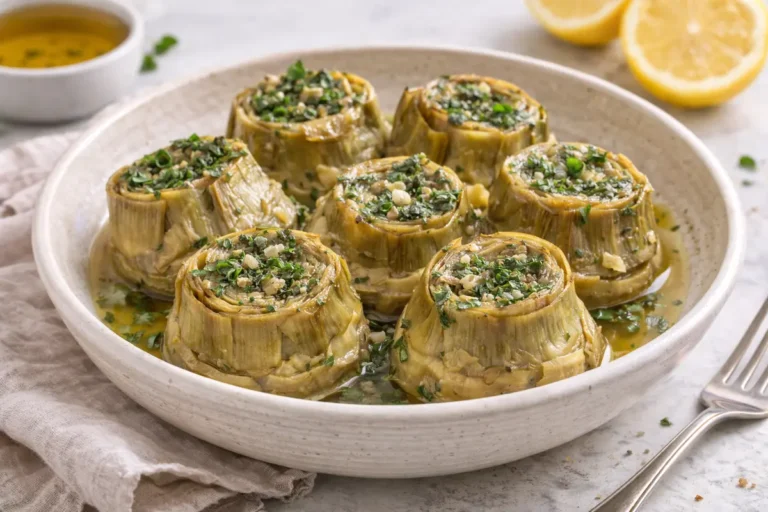
Saltimbocca works well with simple vegetables, roast potatoes or artichokes. It should remain the focus of the plate.
Spoon the pan sauce over the veal at the last moment so the prosciutto keeps some texture.
If you are serving it to guests, keep the presentation simple and let the regional character of the dish do the work.
More Lazio Recipes
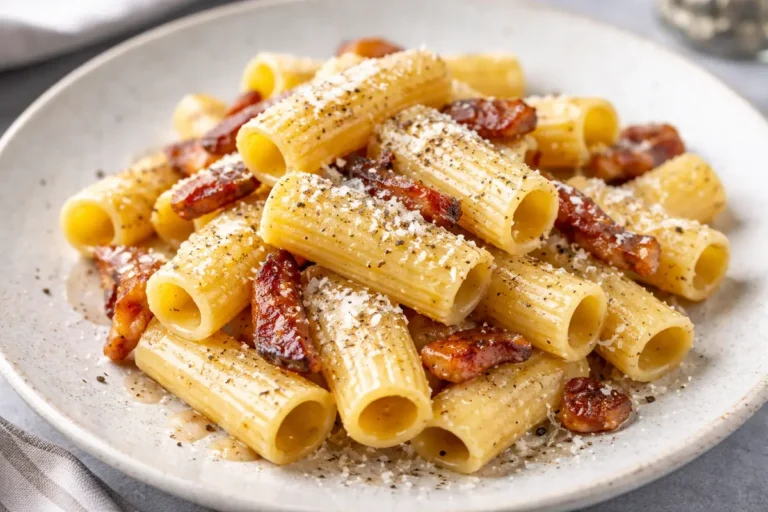
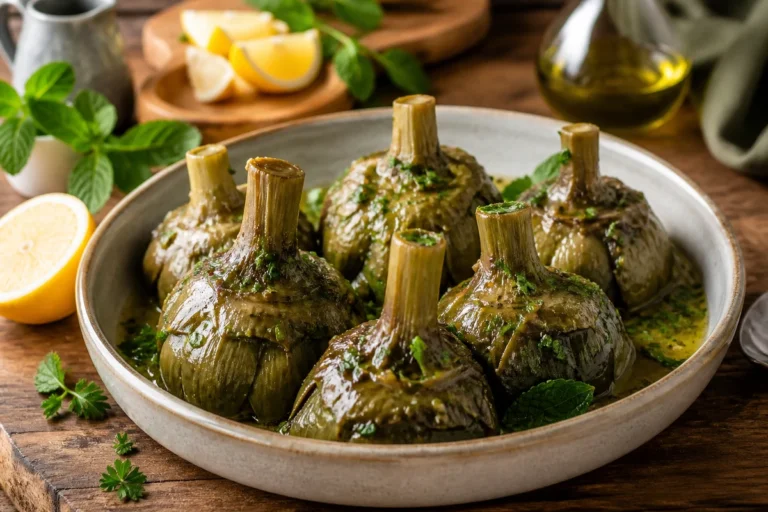
Continue exploring the same regional table with spaghetti carbonara, cacio e pepe, Roman-style braised artichokes.