The Italian Way to Use Leftover Bread
The Italian way to use leftover bread is not about pretending stale bread is fresh. It is about giving it a new job. In many regional kitchens, bread becomes soup, crumbs, stuffing, thickener, salad or a crisp topping. Nothing needs to feel like waste when the cooking has imagination.
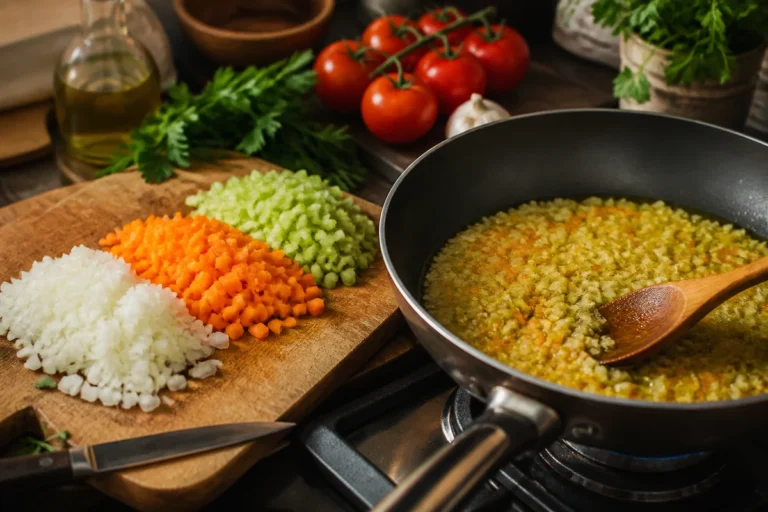
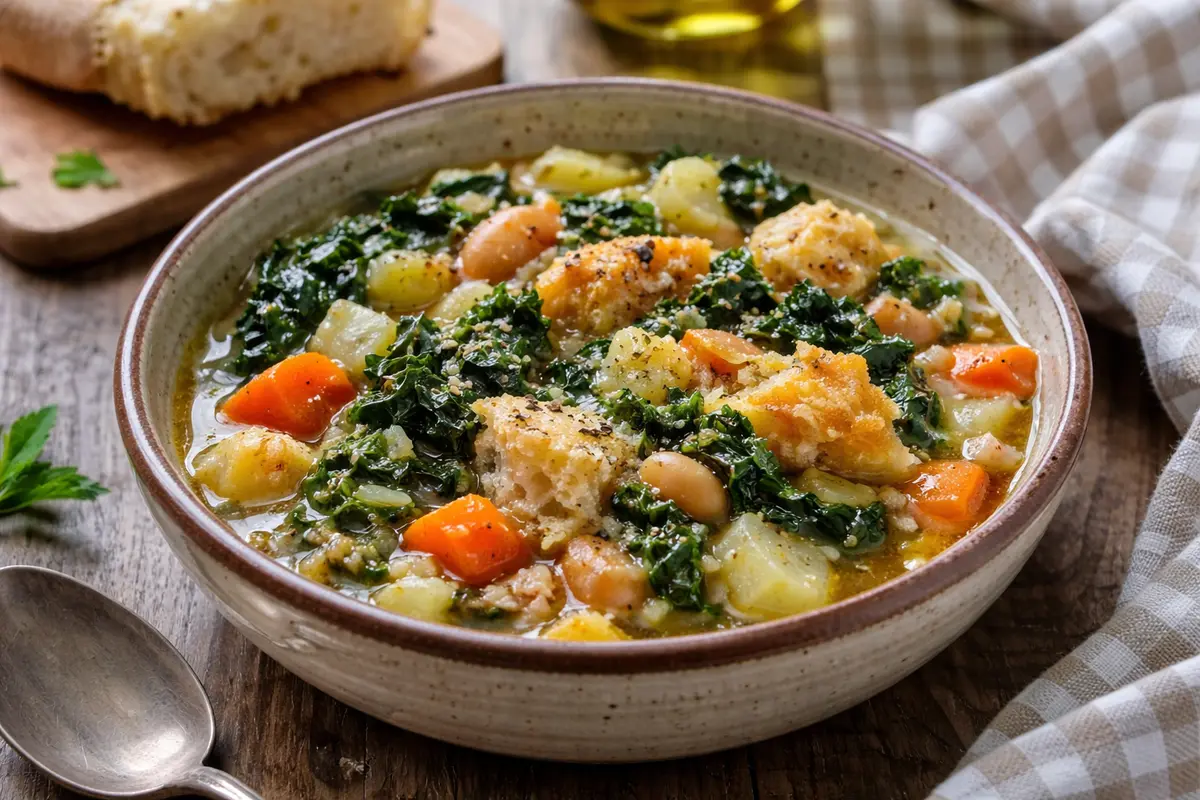
That is why Italian leftover bread is becoming such a useful topic now. People want food that is beautiful, practical and less wasteful. Recipes like Tuscan bread and vegetable soup show how humble bread can become the heart of the dish.
Why Stale Bread Can Be Better Than Fresh
Fresh bread is soft and fragrant, but it can collapse when it meets liquid. Stale bread has structure. It absorbs broth, tomato, olive oil or vegetable juices slowly, becoming tender while still giving the dish body.
This is why bread soups and rustic salads work. The bread is not decoration. It changes the texture of the recipe and makes simple ingredients feel more generous.
The Crumb Trick Italian Cooks Know Well
Breadcrumbs are one of the smartest uses for old bread. Toasted in olive oil with garlic, chilli, anchovy or herbs, they can finish pasta, vegetables or fish with crunch and savoury depth. They are sometimes called the poor man’s cheese, but that makes them sound like a compromise. Used well, they are their own pleasure.
They also connect with dishes such as anchovy pasta, where a small salty ingredient can make a simple meal taste complete.
How to Keep the Flavour Clean
The trick is to dry bread before it turns unpleasant. Slice it, cube it or blitz it into crumbs, then store it properly. Bread that tastes stale but clean is useful. Bread that smells musty is not worth saving.
When cooking with leftover bread, balance matters. Add acidity from tomato, vinegar or lemon. Add fat from olive oil. Add herbs or garlic only when they help the dish, not because every rustic recipe needs everything at once.
The Trend Is Really About Kitchen Intelligence
Leftover bread has become interesting again because it represents a smarter way to cook. It asks the cook to look twice at an ingredient before throwing it away. In Italian food, that instinct often leads to some of the most satisfying dishes on the table.