The Fresh Pasta Skill Everyone Wants to Master at Home
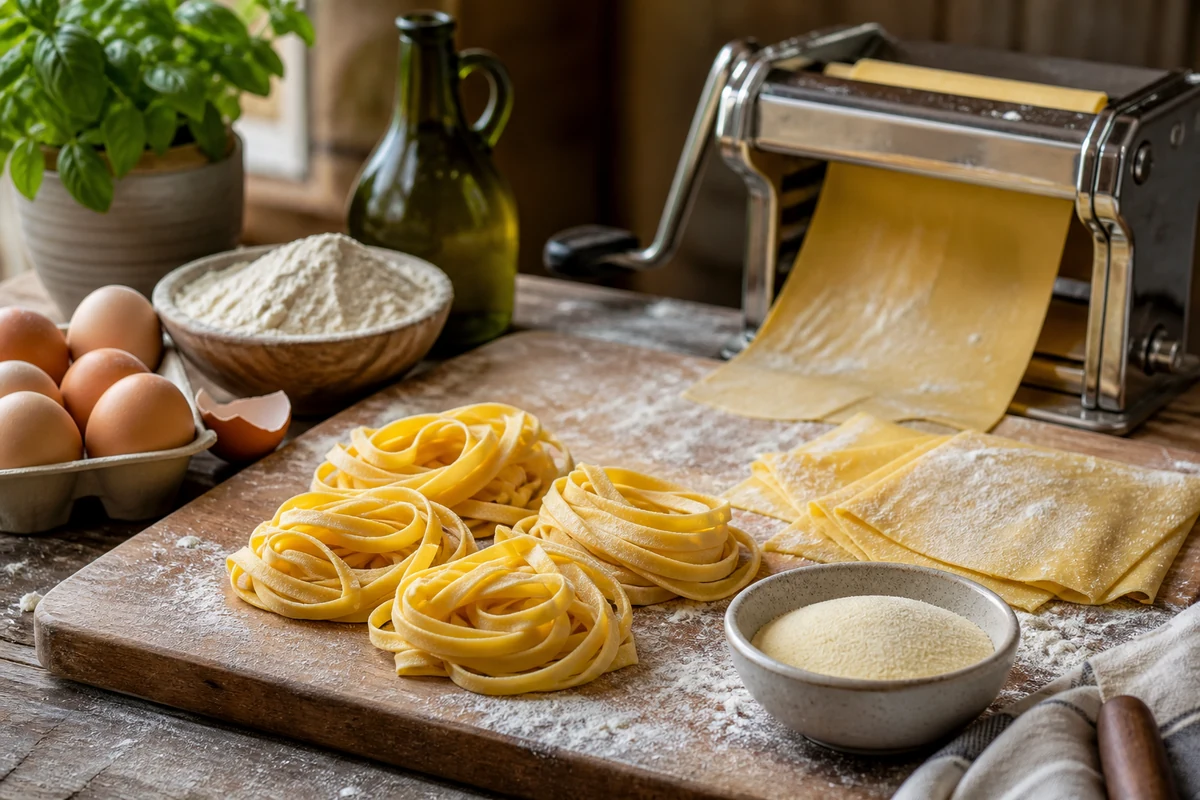
Fresh pasta at home is becoming one of the most useful Italian kitchen skills because it teaches more than one recipe. It teaches texture, patience and the relationship between pasta shape and sauce. A simple dough can become tagliatelle, lasagne sheets, ravioli, tortelli or small hand-cut pieces, each with a different purpose.
The attraction is not only the final plate. It is the feeling of making something by hand. Flour, eggs and a little time become a meal that feels personal before the sauce is added.
What Makes Fresh Pasta Different
Fresh pasta has a softer bite than dried pasta and often works best with sauces that cling gently rather than aggressively. Egg pasta, common in many northern and central Italian traditions, is rich and supple. Water-based southern doughs can be firmer and better for hand-shaped pasta.
Understanding that difference helps prevent a common mistake: treating every pasta shape in the same way. A delicate filled pasta does not want the same sauce as a robust dried shape. This is why the pasta shape trend matters; shape is part of the recipe, not decoration.
The Dough Should Tell You What It Needs
A good dough should feel firm, smooth and elastic after resting. If it cracks while rolling, it may be too dry or not rested enough. If it sticks heavily to the table, it needs a little more flour and a calmer hand. Resting is important because the flour hydrates and the dough becomes easier to roll thinly.
Beginners often try to fix everything immediately. Fresh pasta improves when you pause. Wrap the dough, let it rest and return to it when it has relaxed.
Start with One Shape
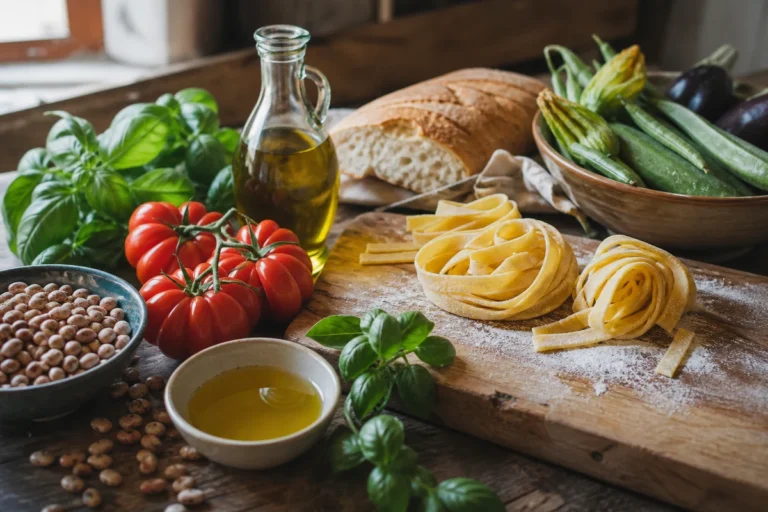
The best first project is tagliatelle or pappardelle because the process teaches rolling and cutting without the extra pressure of sealing a filling. Once the dough feels familiar, filled pasta becomes easier.
From there, move into regional recipes already on True Italian Table. Tortellini in brodo shows how filled pasta can become precise and festive, while Agnolotti del Plin explains another northern pasta tradition built around careful filling and sealing.
Pairing Fresh Pasta with Sauce
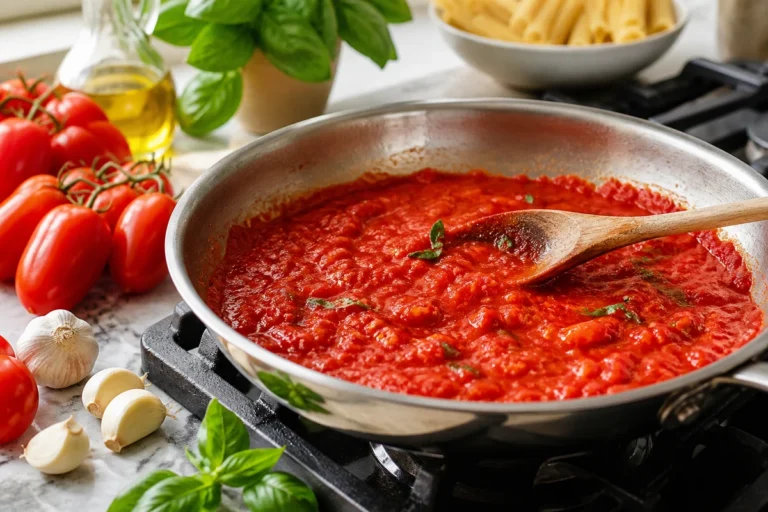
Fresh pasta often works beautifully with butter and sage, a light ragù, delicate tomato sauce or simple cheese-based sauces. The sauce should support the pasta rather than hide the work of the dough.
If you want to understand the sauce side first, read Why Better Tomato Sauce Is Becoming a Kitchen Skill Again. A clean sauce can make fresh pasta feel brighter and more balanced.
Why This Skill Is Good for SEO and Readers
Fresh pasta is a strong topic because readers search for a practical skill, not only a recipe. They want to know how the dough should feel, why it breaks, how thin to roll it and which sauce to use. A useful article answers those questions clearly.
For more pasta inspiration, continue with Classic Lasagne Bolognese or explore Pasta con le Sarde when it is available in the Sicilian section.