Stuffed Vegetables Are the Italian Comfort Food People Forgot
Italian stuffed vegetables are the kind of comfort food people sometimes forget because they do not look like a trend at first. Peppers, eggplant, zucchini, tomatoes and onions can be filled with rice, breadcrumbs, herbs, cheese, meat, tuna or vegetables, then baked until everything softens together.
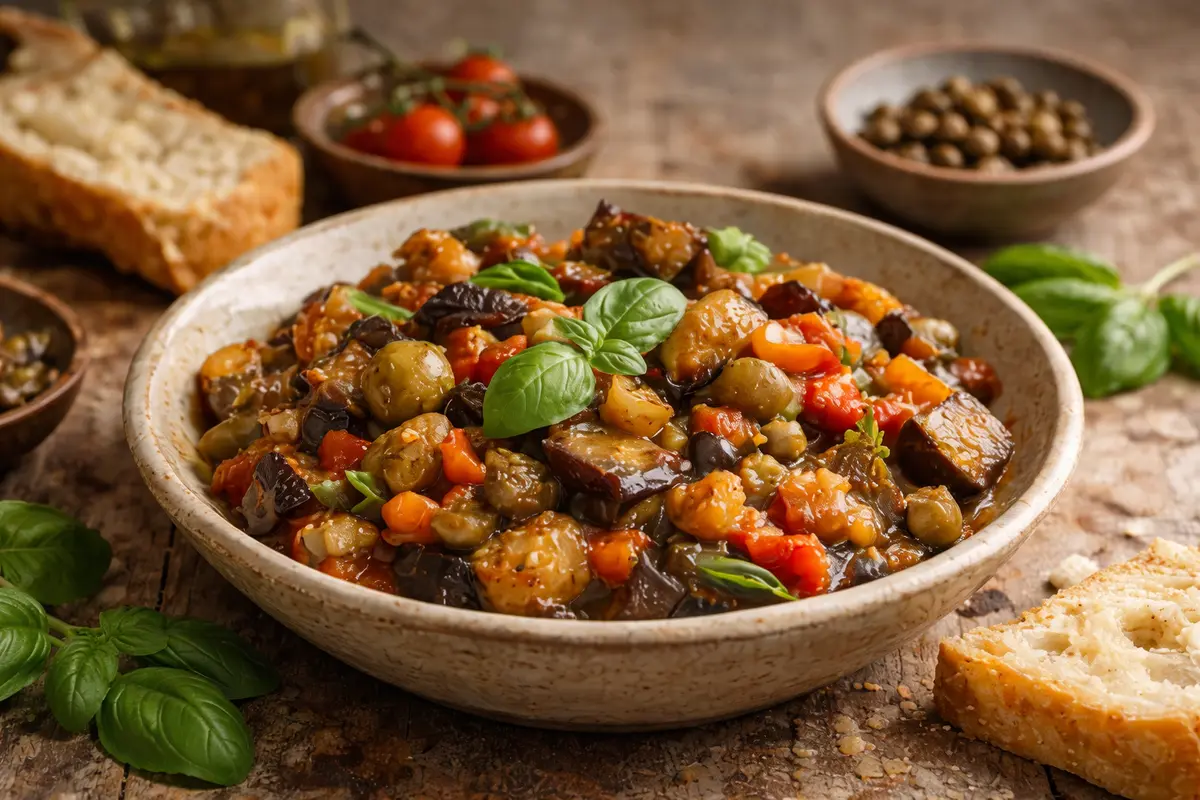
The result is generous without needing to be expensive. It also connects naturally with vegetable-rich dishes such as Sicilian eggplant caponata, where texture, acidity and olive oil make vegetables feel central.
Why Stuffed Vegetables Feel So Satisfying
They work because the vegetable is not just a container. It seasons the filling as it cooks. Pepper becomes sweet, eggplant turns silky, zucchini softens gently and tomatoes release juice into rice or breadcrumbs.
This is why the filling should not be dry. It needs oil, herbs, moisture and enough seasoning to become part of the vegetable rather than a separate lump inside it.
The Breadcrumb Advantage
Breadcrumbs are often the quiet hero. They absorb juices, carry cheese or herbs and create a soft but structured filling. When the top browns, the contrast between crisp surface and tender inside gives the dish its comfort.
This is another example of Italian cooking making clever use of bread, leftovers and simple pantry ingredients.
How to Keep Them From Feeling Heavy
The best stuffed vegetables need balance. Add fresh herbs, lemon zest, tomato, capers or a little vinegar where the filling feels rich. Use cheese carefully so it supports the dish rather than turning everything into a dense bake.
Serve them warm rather than fiercely hot and they often taste even better after resting for a few minutes.
A Quiet Trend With Real Usefulness
Stuffed vegetables are coming back because they are flexible, seasonal and satisfying. They can be a main course, a side dish or part of a summer table. Most importantly, they make vegetables feel like comfort food in their own right.