Simple Italian Fruit Desserts Are Replacing Overworked Sweets
Simple Italian fruit desserts are becoming more appealing because people want sweets that feel seasonal and generous without being overworked. Apples, citrus, cherries, figs, peaches, pears and nuts can do a lot when the cooking respects their texture and acidity.
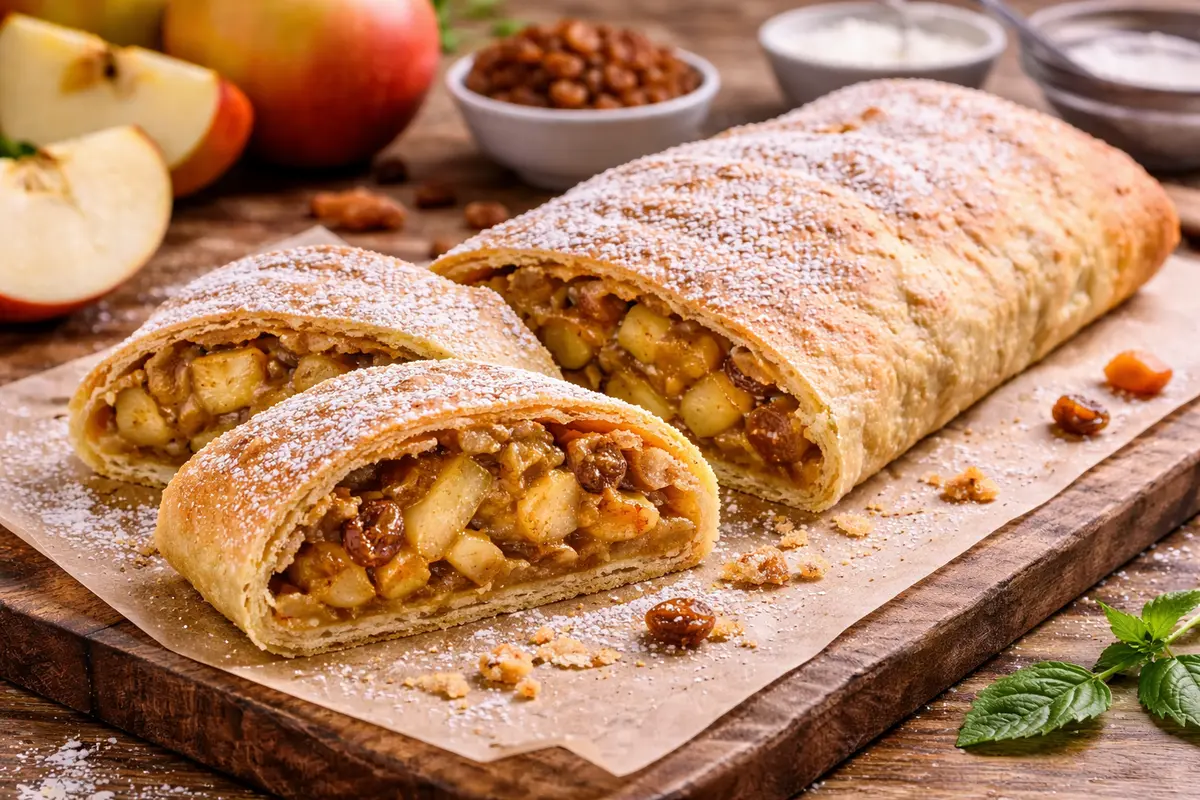
This does not mean dessert has to be plain. A recipe such as apple strudel shows how fruit, pastry, spice and nuts can feel rich while still tasting fresh.
Why Fruit Makes Dessert Feel Current
Fruit gives dessert a natural sense of timing. Citrus feels right in winter. Stone fruit belongs to summer. Apples and pears make sense when the weather cools. That seasonal rhythm makes a simple dessert feel more thoughtful than a complicated sweet available all year.
It also photographs well in a way that feels honest: glossy fruit, crumbs, pastry, syrup and cream used with restraint.
The Italian Approach Is Often Lighter
Many Italian fruit desserts do not need heavy frosting or thick layers. They rely on texture: tender cake, crisp pastry, toasted nuts, syrup-soaked fruit or a spoon of mascarpone, ricotta or gelato.
The sweetness should support the fruit, not bury it. A little bitterness from citrus peel, almond or coffee can make the whole dessert feel more adult.
How to Make Simple Feel Special
Use one detail that changes the dish: toast the nuts, reduce the fruit juices, add lemon zest, brush pastry properly or serve the dessert at the right temperature. These small choices make a simple recipe feel finished.
That is the real lesson for home cooks. Dessert does not need more decoration. It needs better attention.
A Dessert Trend That Fits the Table
Italian fruit desserts are growing because they suit the way people want to eat after a meal: something sweet, seasonal and memorable, but not exhausting. They are especially useful for food blogs because they can follow the calendar naturally and still feel deeply connected to Italian home cooking.