Lagane e Ceci: Calabrian Chickpea Pasta
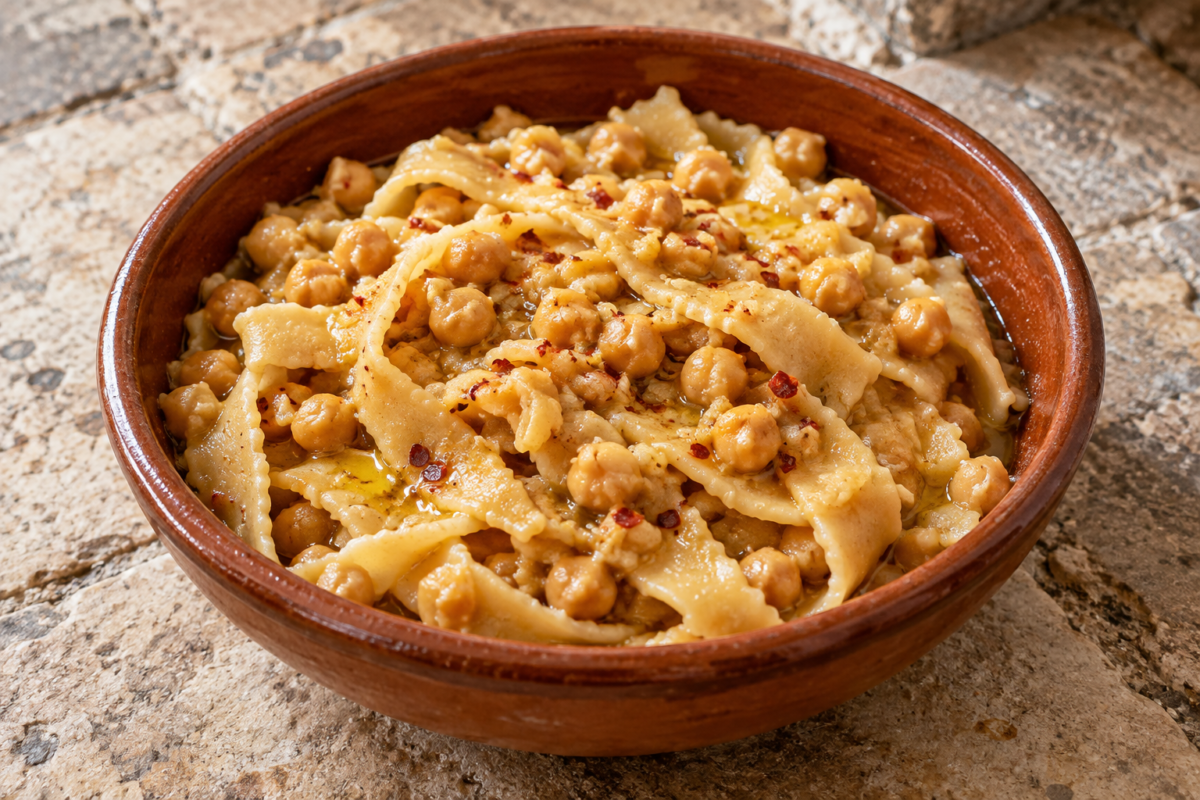
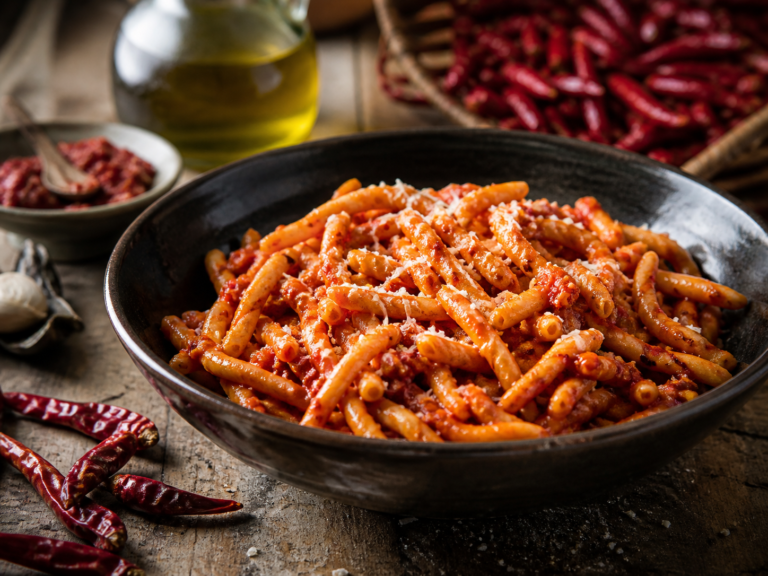
Lagane e ceci is a southern Italian pasta and chickpea dish with roots older than many tomato-based sauces. The broad, irregular lagane are made without eggs and cooked directly with chickpeas so starch and cooking liquid form a creamy sauce.
The finished dish should sit between dry pasta and soup. Some chickpeas remain whole, while others are crushed to give the sauce body.
Recipe at a Glance
- Region: Calabria
- Category: Pasta
- Yield: 4 servings
- Total time: approximately 1 hour 5 minutes
This version keeps the recognisable regional character of the dish while giving practical cues for a UK home kitchen. The quantities, sequence and finishing texture matter more than decorative additions, so prepare the core ingredients carefully before considering optional variations.
Where Italian ingredients differ in strength, moisture or saltiness, taste and adjust conservatively. Any accessible substitute is identified as a substitute rather than presented as the traditional ingredient, keeping the distinction clear for readers.
What Is Lagane e ceci?
Lagane e ceci is a southern Italian pasta-and-chickpea dish, with important versions in Calabria and neighbouring regions. Lagane are broad, rustic strips traditionally made from a simple durum-wheat dough.
The chickpeas provide both substance and sauce. Part of them break down into their cooking liquid so the pasta becomes coated in a creamy emulsion without dairy.
An Ancient Pairing of Pasta and Pulses
Versions of pasta with chickpeas appear across southern Italy, but lagane are especially linked with Calabria and neighbouring Basilicata. Their rough hand-cut shape is part of the appeal.
Dried chickpeas give the best cooking liquid, although good tinned chickpeas are a practical option. Add chilli carefully so it supports rather than overwhelms the rosemary and garlic.
Ingredients and Why They Matter
Cook chickpeas until fully tender and keep their liquid. Dried chickpeas offer control over texture; tinned chickpeas can work when simmered gently with the aromatics before the pasta is added.
Garlic, rosemary and chilli are natural accents, but none should dominate. If handmade lagane are not practical, use a broad dried pasta and explain the substitution.
- 250 g semolina flour
- 120 ml warm water, approximately
- 400 g cooked chickpeas
- 2 garlic cloves
- 1 rosemary sprig
- Dried Calabrian chilli, to taste
- 700 ml chickpea cooking liquid or light stock
- Extra virgin olive oil
- Salt
Before You Start
This recipe makes 4 servings. Allow approximately 30 minutes for preparation and 35 minutes for cooking. Read through the complete method first and prepare every ingredient before the main cooking begins.
Times are a practical guide rather than a substitute for sight, aroma and texture. Pan size, ingredient temperature and individual ovens can change the pace, so use the sensory cues in the method and tips to decide when each stage is ready.
Keep a clean plate, the necessary draining tools and any finishing ingredients ready before cooking. This prevents the final stage from waiting while a hot sauce, fried coating, delicate dough or freshly cooked pasta loses its intended texture.
How to Make Lagane e ceci
- Make the lagane.
Knead semolina and water into a firm dough, rest it, then roll and cut broad irregular ribbons. - Build the base.
Gently cook garlic, rosemary and chilli in olive oil without burning. - Add the chickpeas.
Add chickpeas and liquid. Crush a quarter of them to thicken the broth. - Cook the pasta.
Drop the fresh lagane into the simmering chickpeas and cook until tender. - Rest briefly.
Turn off the heat, add olive oil and rest for five minutes so the sauce clings.
Expert Cooking Tips
- Keep extra liquid nearby.
Fresh pasta absorbs more than expected. - Do not overwork the dough.
Lagane should feel rustic, not delicate. - Add chilli gradually.
Heat levels vary widely.
Crush some chickpeas against the side of the pot while leaving others whole. Add chickpea liquid and pasta water gradually to maintain a creamy, spoonable consistency.
Finish cooking the pasta with the chickpeas so it absorbs their flavour. Stir gently and rest for a minute before serving, then loosen if the mixture has tightened.
Common Mistakes to Avoid
The most common problems come from rushing the main technique or correcting seasoning too early. Keep the heat appropriate to the method, allow ingredients to reach the texture described above and taste again near the end, especially when cheese, cured meat, seafood or reduced broth contributes salt.
Measure the principal ingredients accurately on the first attempt. Once you understand the intended consistency, small adjustments are easier to make without changing the identity of the dish.
Authentic Variations and Substitutions
Regional versions differ in aromatics, tomato and whether some pasta is fried. Keep this Calabrian version distinct from Puglian ciceri e tria, whose fried pasta is a defining feature.
How to Serve Lagane e ceci
Serve warm with extra virgin olive oil and black pepper. Cheese is not essential.
Serve in warm bowls with extra-virgin olive oil and optional chilli. Cooked greens are a fitting accompaniment, though the dish is substantial enough to stand alone.
Storage and Reheating
Refrigerate for up to two days. Pasta continues absorbing liquid, so reheat gently with water or broth. For the best texture, cook only the amount of pasta needed and store extra chickpeas separately.
Frequently Asked Questions
What texture should Lagane e ceci have?
Finish cooking the pasta with the chickpeas so it absorbs their flavour. Stir gently and rest for a minute before serving, then loosen if the mixture has tightened.
Can Lagane e ceci be made ahead?
Refrigerate for up to two days. Pasta continues absorbing liquid, so reheat gently with water or broth. For the best texture, cook only the amount of pasta needed and store extra chickpeas separately.
What substitutions are possible in Lagane e ceci?
Regional versions differ in aromatics, tomato and whether some pasta is fried. Keep this Calabrian version distinct from Puglian ciceri e tria, whose fried pasta is a defining feature.
More Calabrian Recipes
Continue exploring regional Italian cooking with Fileja alla Nduja and Calabrian Potatoes and Peppers.