The Pasta Shape Trend: Why Everyone Wants More Than Spaghetti
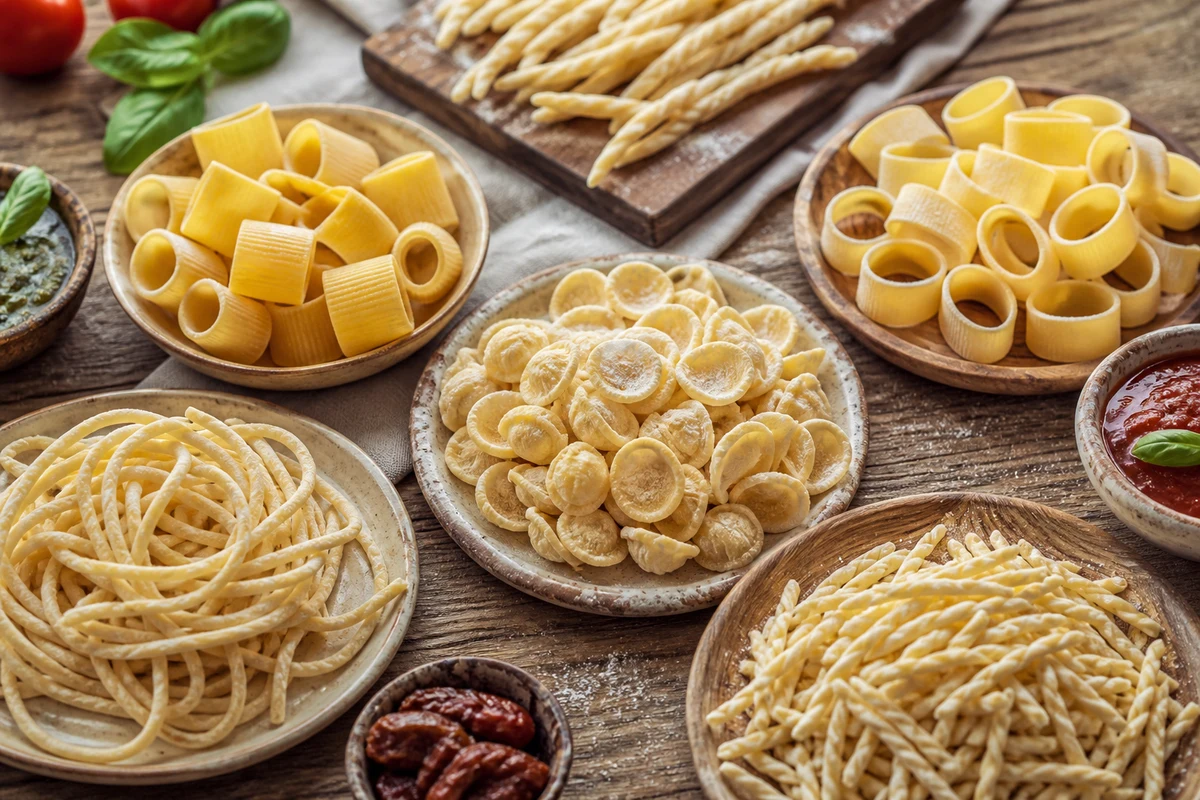
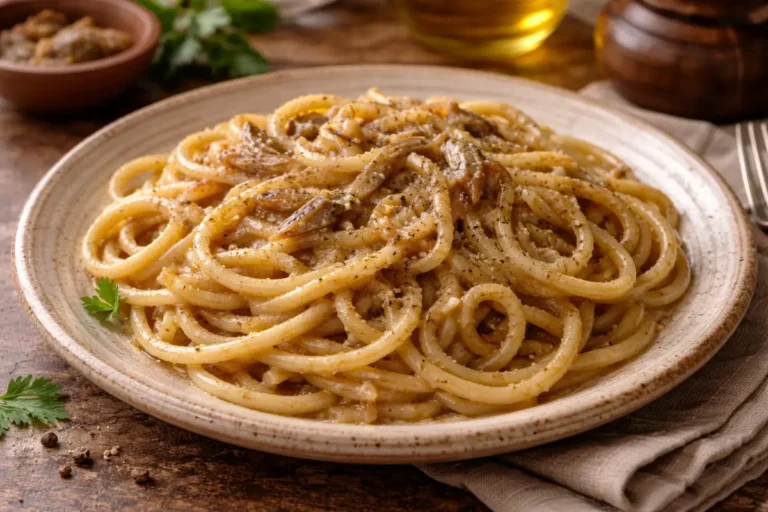
The pasta shape trend is one of the clearest signs that people want more detailed Italian food knowledge. Spaghetti will always be loved, but people are increasingly curious about orecchiette, trofie, paccheri, calamarata, busiate, pici and other regional shapes.
This curiosity makes sense. Pasta shape is not just appearance. In Italian cooking, shape changes the way a sauce behaves. It affects texture, bite, cooking time and the feeling of the finished dish.
Why Pasta Shape Matters
Each shape has a purpose. Orecchiette catch small pieces of broccoli rabe, sausage or tomato. Trofie cling beautifully to pesto. Paccheri work with seafood and rich sauces because their wide tubes hold flavour. Pici have a rustic chew that suits Tuscan sauces.
Once people understand this, pasta becomes more interesting. It is no longer a question of choosing any shape from the cupboard. It becomes a way of matching sauce, region and texture.
Regional Pasta Tells a Story
Many pasta shapes belong strongly to a place. Orecchiette speak of Puglia. Trofie point toward Liguria. Busiate are tied to Sicily. Calamarata suggests Campania and seafood. Pici belong to Tuscany and parts of central Italy.
This makes pasta shape a natural doorway into regional Italian cooking. A reader may start with curiosity about a shape and end up learning about the region, ingredients and traditional sauce that go with it.
How Pasta Shapes Change the Dish
A sauce with small pieces of vegetables or sausage needs a shape that can catch them. A smooth sauce needs a pasta that coats evenly. Seafood sauces often work beautifully with tubes, rings or wide shapes that hold flavour without becoming heavy.
This is why choosing pasta is part of the cooking, not just a detail from the cupboard. The right shape can make a sauce feel more generous, more balanced and more traditional.
How to Choose the Right Pasta Shape
A simple rule helps: chunky sauces need shapes that catch pieces; smooth sauces need shapes that coat well; seafood sauces often work with tubes or rings; pesto likes twisted or ridged pasta; rustic sauces can handle thicker handmade shapes.
Good pasta content should explain this clearly. It should help people cook better, not only list names. When people understand why a shape exists, they become more confident in the kitchen.
Why This Trend Will Keep Growing
Regional pasta shapes combine beauty, usefulness and story. They photograph well, they teach something practical and they lead naturally into deeper Italian food culture.
More Italian Food Trends to Read Next
For more Italian kitchen inspiration, read The Italian Pantry Comeback: Why Simple Staples Are Trending Again and then continue with Why Italian Olive Oil Is Becoming the Ingredient People Want to Understand.