Why Italian Olive Oil Is Becoming the Ingredient People Want to Understand
Italian olive oil has always been central to Italian cooking, but the conversation around it is becoming more serious. Readers are beginning to ask which oil to buy, when to use it raw, when to cook with it and why two bottles can taste completely different.
This is a useful trend because olive oil is not a luxury garnish. It is one of the foundations of the Italian table. Used well, it can make vegetables taste sweeter, tomato sauce feel rounder and bread become a small meal.
The Difference People Are Starting to Notice
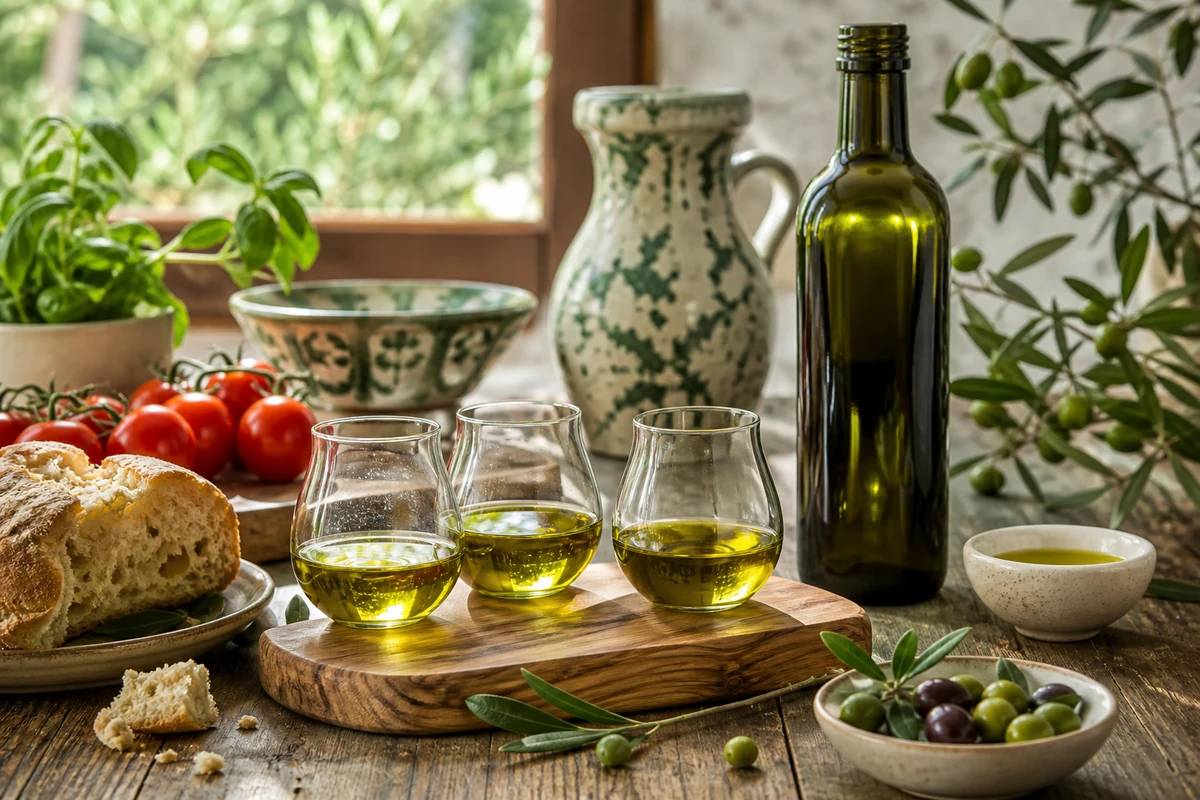
A good extra virgin olive oil can taste grassy, peppery, fruity, bitter, soft or intensely green. Those differences come from olive variety, region, harvest time and storage. Once people taste oils side by side, they understand why the cheapest bottle is not always the best choice for finishing food.
The important point is not snobbery. It is matching the oil to the dish. A peppery oil can lift beans, greens and grilled bread. A softer oil can work beautifully with fish, delicate vegetables or desserts where bitterness would take over.
Freshness Matters More Than People Think
Olive oil is not like wine. It does not improve by sitting in the cupboard. Light, heat and air all reduce its freshness. That is why dark bottles, proper storage and sensible bottle sizes matter. An expensive oil kept open beside the stove can lose the very flavour that made it worth buying.
For home cooks, this is practical advice: buy oil you will use, close it properly and keep it away from heat. Then save the most expressive oil for finishing dishes where its flavour can be noticed.
How Italians Use Olive Oil Every Day
Olive oil is not only for salad. It starts soffritto, carries garlic, preserves vegetables, finishes soups, dresses beans, enriches focaccia and brings shine to pasta. In many simple dishes, it is the ingredient that turns something plain into something satisfying.
That is why the trend belongs naturally with simple Italian cooking. If a recipe has only a few ingredients, the quality and use of the oil become more important.
The Kitchen Habit That Changes Everything
Keep one reliable everyday extra virgin olive oil for cooking and one more distinctive bottle for finishing. Taste both on bread. Use the stronger one where you want aroma and pepper. Use the gentler one where you want balance.
Understanding olive oil makes Italian food easier, not harder. It gives the cook one of the simplest ways to add depth without adding complexity.
More Italian Food Trends to Read Next
For more Italian kitchen inspiration, read The Italian Pantry Comeback: Why Simple Staples Are Trending Again and then continue with The Fresh Pasta Skill Everyone Wants to Master at Home.