Radicchio di Treviso Season Begins: Why the Tardivo Is Worth Waiting For
From 20 October, the harvest of Radicchio Rosso di Treviso IGP tardivo can begin. This does not mean the famous red-and-white heads travel directly from the field to the market. Their distinctive appearance and texture come from an additional process of forcing, blanching, trimming and washing.
That slow transformation is why tardivo is more than a colourful salad leaf. It is a protected regional ingredient with a flavour that can move from raw antipasto to risotto, pasta, grills and even carefully judged desserts.
What Makes Tardivo Radicchio Different?
Authentic tardivo comes from the designated IGP area across parts of Treviso, Padua and Venice. After harvest, the plants are placed with their roots in tanks of flowing spring water. Kept in darkness, they produce new leaves without chlorophyll. The result is the familiar wine-red blade, white rib and long, elegant shape.
The official consortium describes a period of roughly fifteen days before the heads are trimmed, washed and packed. It is a labour-intensive process, not a styling trick applied after harvest.
How Tardivo Tastes
The rib is crisp and the bitterness is clean rather than aggressively harsh. Raw leaves work with citrus, aged cheese, nuts and a well-balanced dressing. Cooking softens the texture and rounds the bitterness, but the ingredient should not be cooked until its identity disappears.
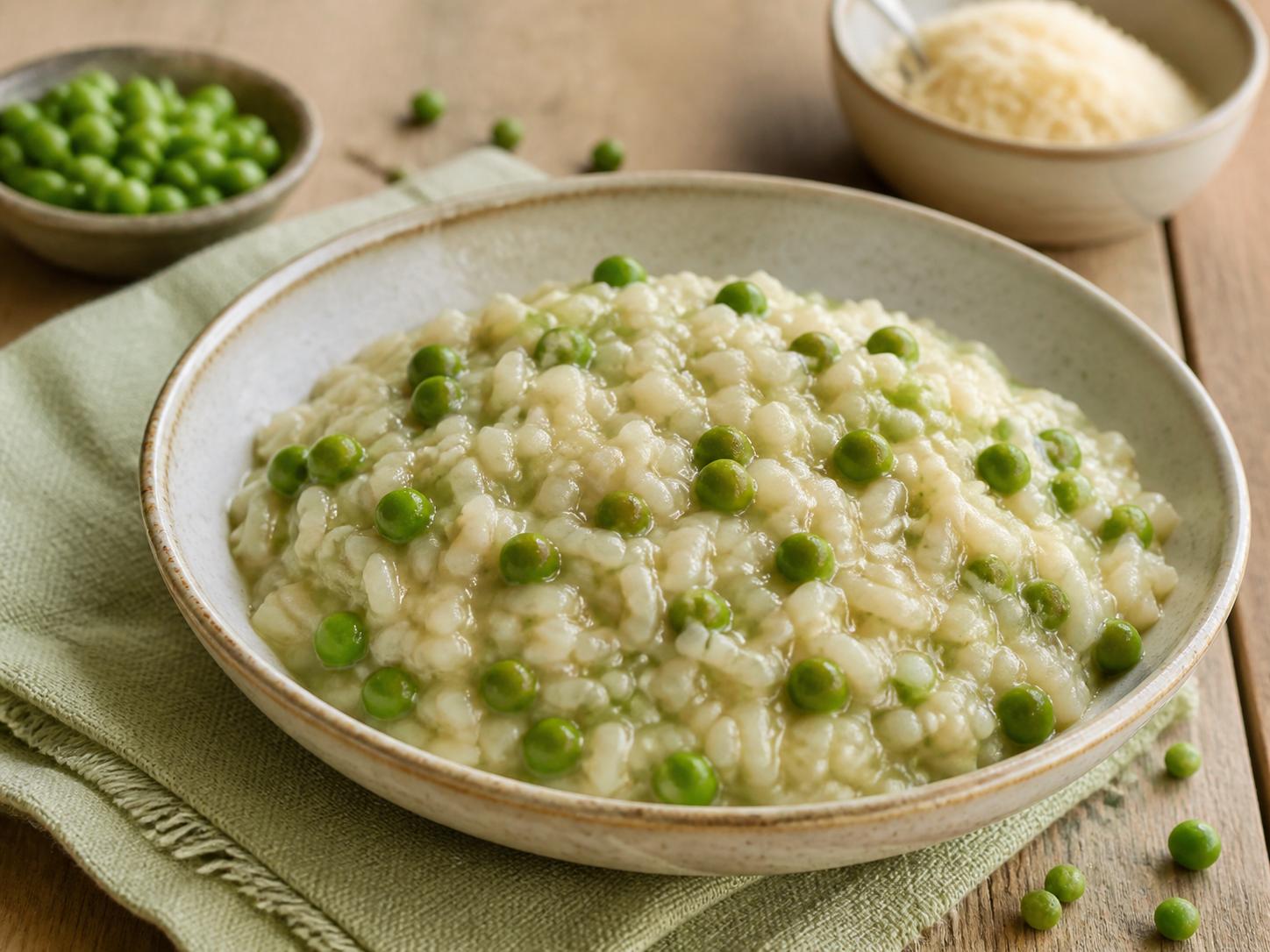
In a risotto, add part of the radicchio during cooking for depth and reserve some for the finish. The technique has something in common with risi e bisi: the vegetable is not decoration but a defining part of the rice dish. For a contrasting Veneto speciality, bigoli con anatra shows the region’s richer autumn side.
What to Check When Buying It
Look for compact, fresh heads with crisp ribs and the IGP identification. “Radicchio” covers several Italian types, so a round Chioggia head is not the same product as Treviso tardivo. Both can be good, but they behave differently in the kitchen.
Store tardivo cold and dry, then wash it shortly before use. If grilling, dry the leaves well and use enough heat to colour the edges quickly without turning the centre limp.
Why Seasonal Bitterness Feels Modern
Current food culture often leans on sweetness, richness and chilli. Tardivo offers another kind of pleasure: bitterness controlled through cultivation and cooking. Its annual return gives chefs and home cooks a reason to change the way they build salads, rice dishes and vegetable plates as autumn deepens.