Soffritto Is the Italian Kitchen Secret Making Simple Food Taste Better
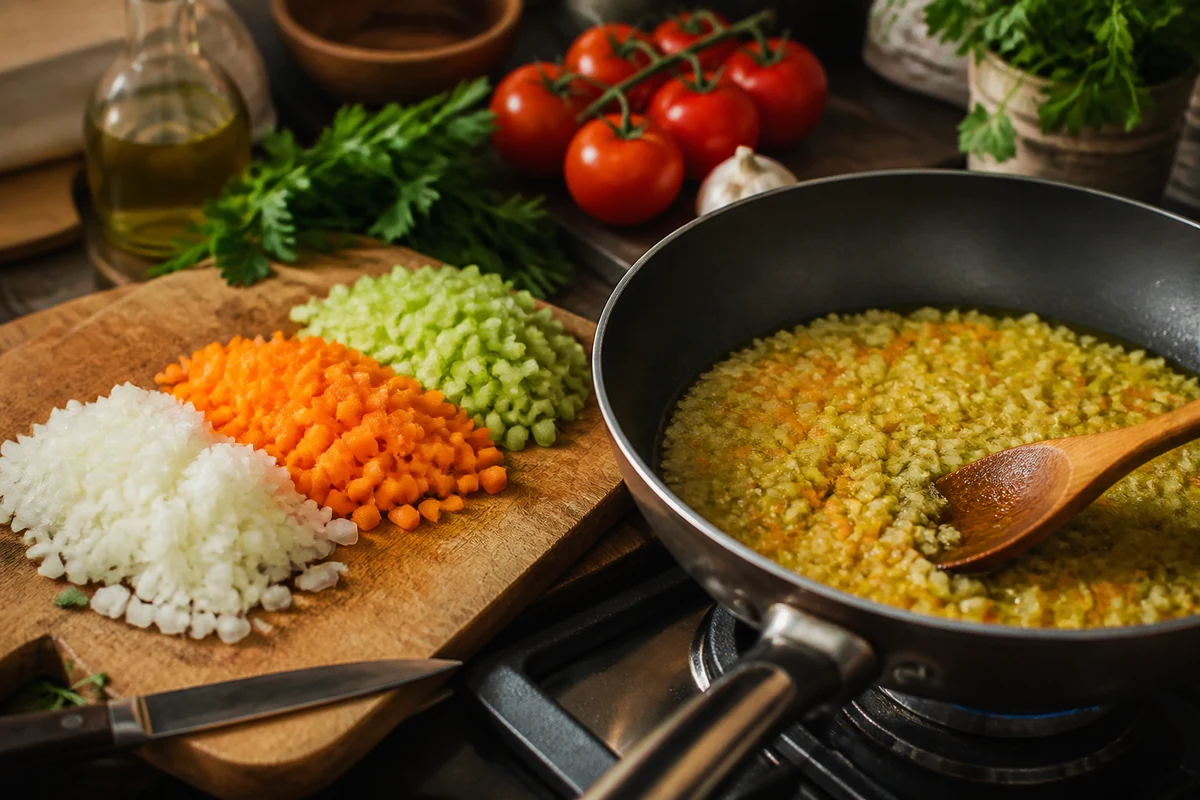
Soffritto is one of the quiet techniques that makes Italian food taste deeper than the ingredient list suggests. Onion, carrot and celery are cooked slowly in olive oil, butter, pancetta fat or another cooking fat until they soften and become sweet. From there, a sauce, soup, bean dish or ragù already has a base of flavour before the main ingredient is added.
This is why soffritto matters for home cooks. It is not a decorative step and it is not just chopped vegetables. It is the beginning of the dish. If the soffritto is rushed, the final sauce can taste flat or raw. If it is cooked gently, even a simple tomato sauce or bean soup can taste rounded and generous.
Why Soffritto Changes the Whole Dish
Italian cooking often builds flavour in layers. The first layer is usually oil and aromatics, then vegetables, meat, tomatoes, wine, stock or legumes. Soffritto sits at the start of that chain. The onion loses its harshness, the carrot adds sweetness and the celery gives a savoury, green aroma.
The technique is useful because it works across regions. A Bolognese ragù starts differently from a Tuscan bean soup, but both depend on the same idea: the base must be cooked with care before the rest of the recipe begins.
The Mistake Most Home Cooks Make
The most common mistake is using too much heat. Soffritto should soften before it browns hard. If the vegetables catch too quickly, the flavour becomes bitter and the pieces stay separate in the finished dish. Low to medium heat gives the vegetables time to collapse into the oil and season everything that comes after.
The cut also matters. Finely chopped vegetables melt into sauces more easily. Larger pieces can work in rustic soups, but in a ragù or tomato sauce they can feel clumsy if they remain too visible.
Where to Use Soffritto
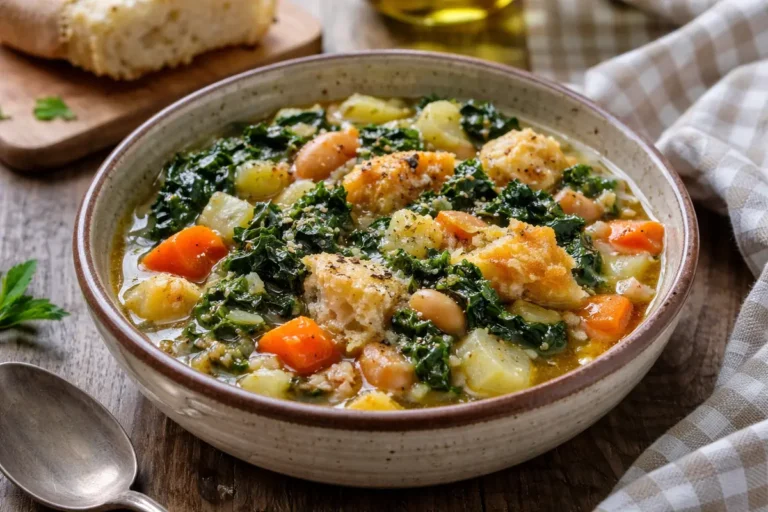
Use soffritto when making meat sauces, tomato sauces, lentils, beans, vegetable soups, rice dishes and slow braises. It is especially useful in recipes where the final dish has few ingredients, because the base carries so much flavour.
For a practical next step, compare this technique with better tomato sauce, where the first minutes in the pan affect the final balance. You can also see how pantry cooking depends on the same logic in the Italian pantry comeback.
How to Make a Better Soffritto
- Use a heavy pan so the heat stays even.
- Cut onion, carrot and celery finely for sauces, slightly larger for soups.
- Season lightly early, then adjust later.
- Cook until soft and fragrant, not aggressively browned.
- Add garlic later if using it, because garlic burns faster than onion.
Why This Technique Is Worth Learning
Soffritto is not a trend because it is new. It is useful because it teaches patience at the exact moment when patience matters most. Once you understand it, many Italian recipes become easier to read: you can see how flavour is being built, not just which ingredients are being used.
For more Italian kitchen technique, read The Fresh Pasta Skill Everyone Wants to Master at Home and Why Simple Italian Food Fits the Way People Want to Eat Now.