What UNESCO Recognition Means for Italian Cooking in 2026
Italian cooking was inscribed on UNESCO’s Representative List of the Intangible Cultural Heritage of Humanity in 2025. As the recognition becomes part of food conversations in 2026, it is worth being precise about what UNESCO recognised. It was not a prize for one dish, a declaration that every Italian recipe is protected, or a ranking of national cuisines.
The listed element is “Italian cooking, between sustainability and biocultural diversity”. UNESCO describes a cultural and social blend of traditions associated with raw materials, artisanal preparation, shared meals, anti-waste recipes and the transmission of knowledge between generations.
UNESCO Recognised a Practice, Not a Menu
Intangible heritage is about living knowledge and social practice. In this case, the important elements include how people select ingredients, cook together, pass on skills and use food to create belonging. The recognition therefore leaves room for Italy’s strong regional differences.
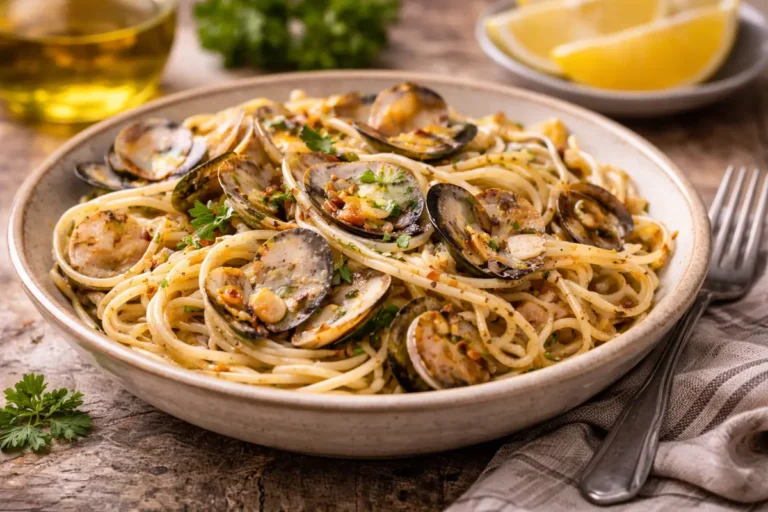
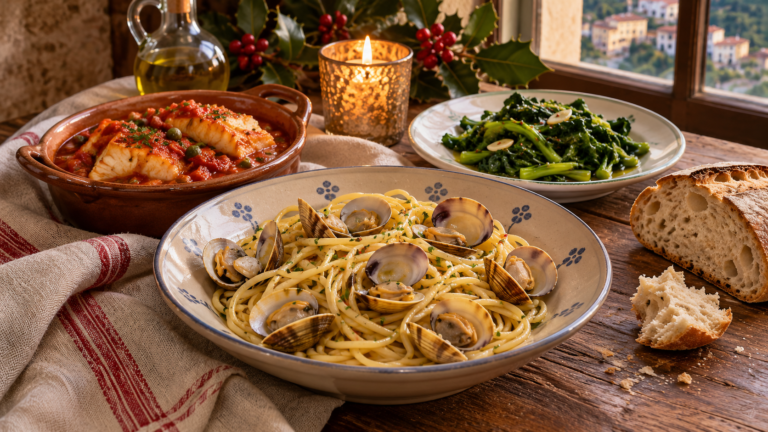
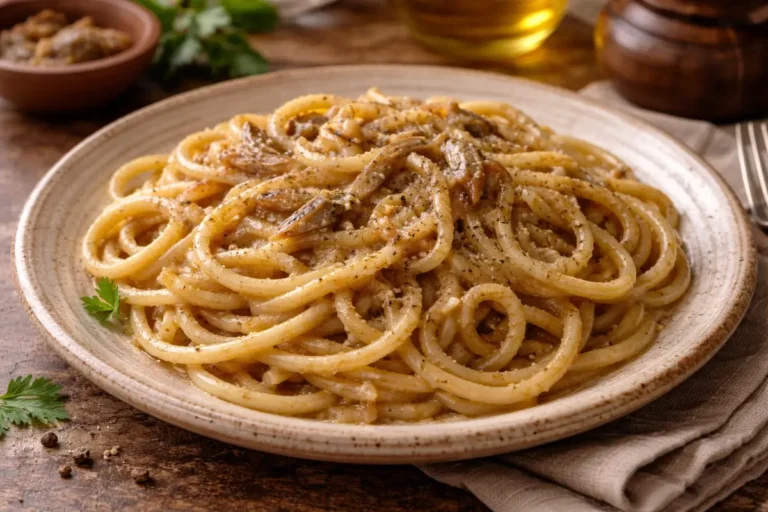
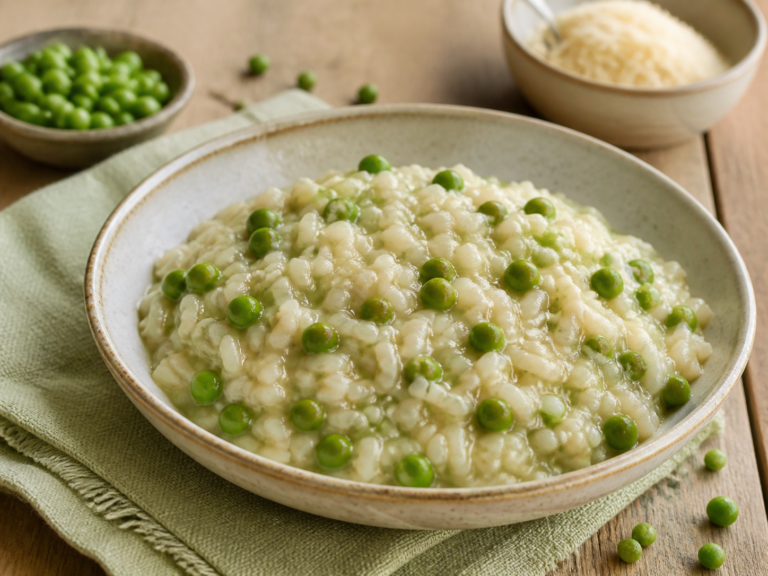
That distinction matters. There is no single authorised version of “Italian cuisine”. A Sardinian pasta, a Venetian rice dish and an Abruzzese celebration dish can all belong to the wider practice while remaining unmistakably local.
Why Regional Recipes Matter More After Recognition
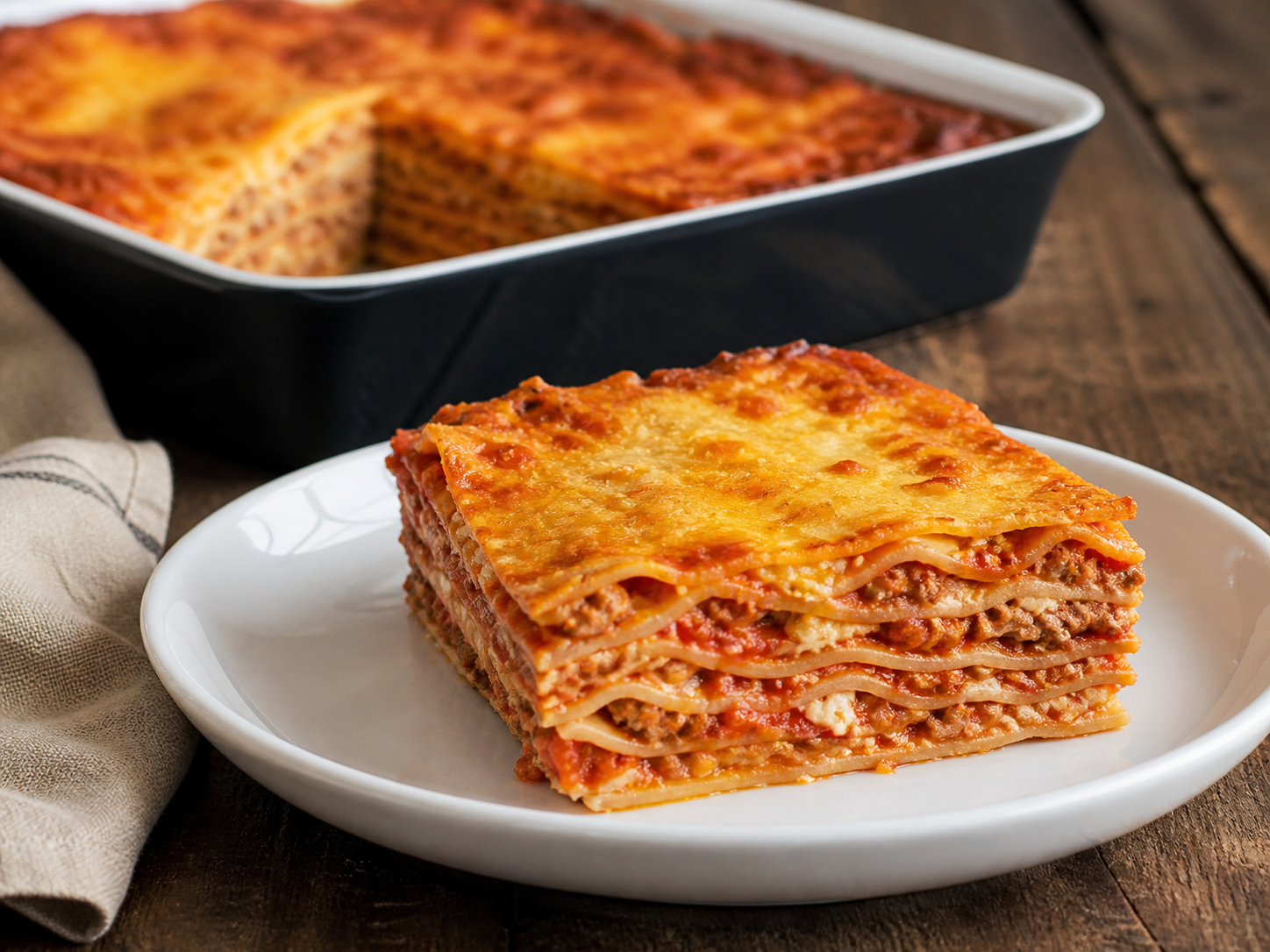
A heritage label is useful only if it encourages attention rather than flattening difference. Recipes such as timballo teramano carry techniques and occasions that cannot be understood through a generic idea of lasagne. Likewise, culurgiones brings together Sardinian ingredients, shaping skill and identity.
For cooks outside Italy, respecting those names and contexts is not about rigid policing. It is a way to understand why the food developed as it did before making substitutions.
Sustainability Is Part of the Recognition
UNESCO’s description points to seasonality, respect for ingredients and recipes that avoid waste. This connects grand family dishes with humbler practices: using stale bread, cooking legumes, preserving vegetables and turning small amounts of meat or cheese into food for several people.
It would be misleading to claim that all Italian food is automatically sustainable. The recognition describes values and knowledge within the practice, not a guarantee attached to every restaurant plate or packaged product.
What the Recognition Should Change for Food Publishing
Writers should identify regions, distinguish documented tradition from modern adaptation and avoid invented origin stories. Recipes need clear sources, accurate terminology and an explanation of what can be changed without pretending the result is identical.
For True Italian Table, the recognition reinforces the approach already guiding the site: preserve the Italian name, explain it in accessible British English and show the regional table rather than presenting Italy as one uniform cuisine.