Olio Nuovo Season: Why Italians Look Forward to the First Olive Oil
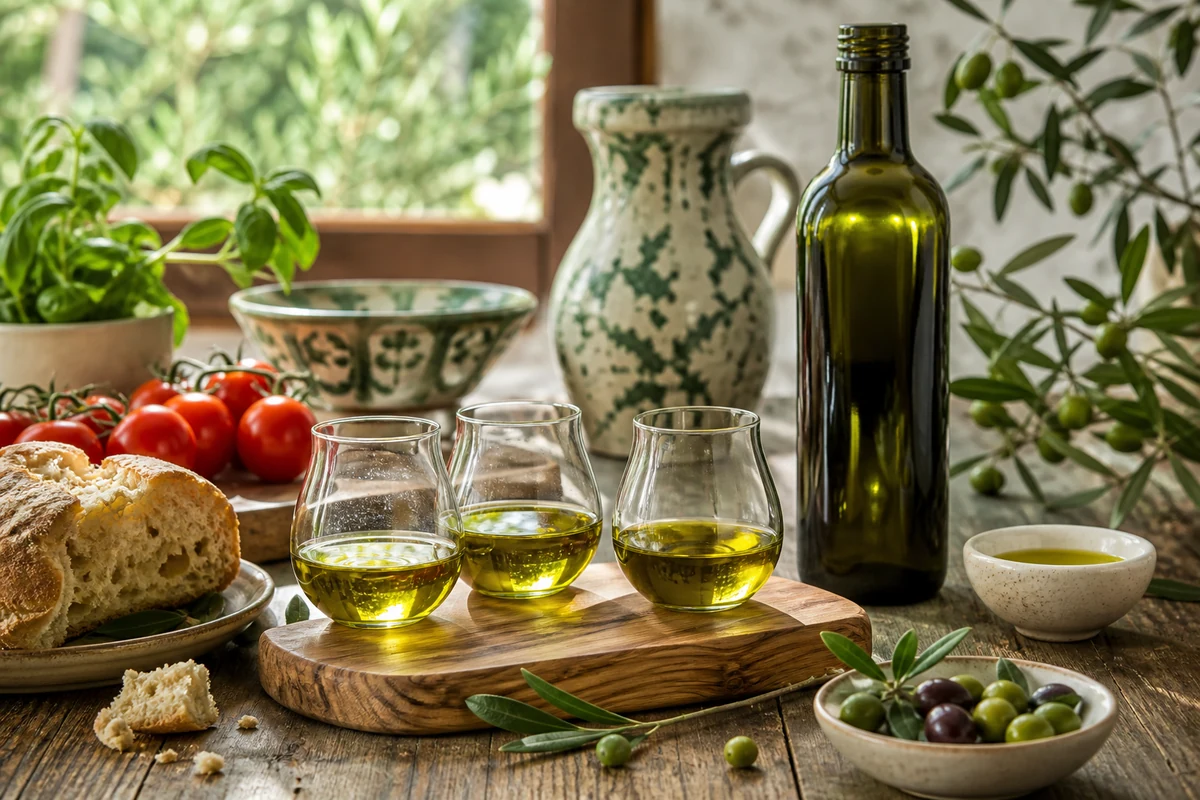
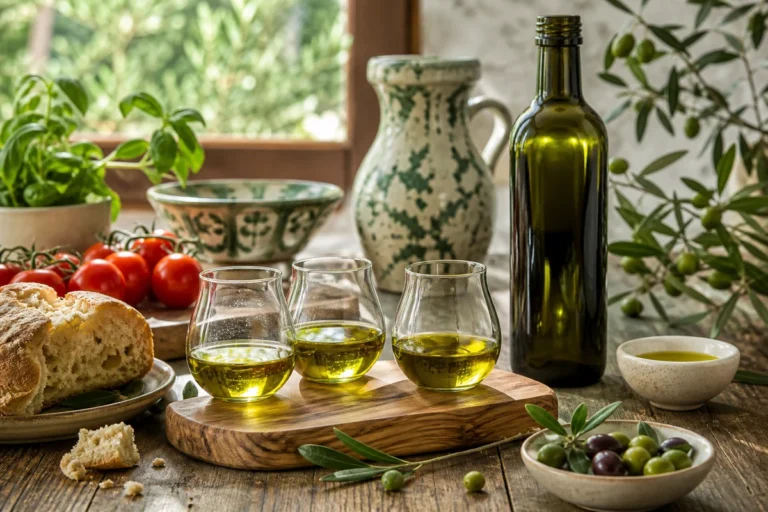
In many Italian olive-growing regions, autumn brings the arrival of olio nuovo: the first oil pressed from the new harvest. It is vividly green, aromatic and often peppery enough to catch at the back of the throat. For people used to buying the same bottle throughout the year, tasting this young oil can make extra virgin olive oil feel seasonal again.
Olio nuovo literally means new oil. It is not a separate legal grade, and “new” does not replace the need to check that the oil is extra virgin. The expression describes its moment in the harvest cycle and its very fresh sensory character.
When the Italian Olive Harvest Begins
Timing varies by region, variety and weather, but harvesting commonly begins in October and continues into the following months. Producers may pick earlier for greener, more bitter and pungent oil, accepting a lower yield in exchange for freshness and intensity. Other olives are allowed to ripen further.
The olives need to reach the mill promptly. Delays and poor storage before crushing can damage quality, which is why serious producers talk as much about handling as they do about the romantic image of the grove.
What Olio Nuovo Tastes Like
Expect aromas that can suggest cut grass, artichoke, tomato leaf, almond or fresh herbs, depending on the olive variety and place. Bitterness and pungency are not automatically faults; in a balanced fresh oil they are part of the experience.
The simplest tasting method is also one of the best ways to serve it: pour it over warm toasted bread. Tuscan fettunta adds a rub of garlic and a pinch of salt. Beans, vegetable soups and boiled potatoes are equally useful because they give the oil a warm but neutral surface. Our guide to understanding Italian olive oil explores how to use it with more confidence, while Tuscan bread and vegetable soup is exactly the kind of food that welcomes a final green pour.
How to Buy New-Season Olive Oil
Look for a clear harvest date, not only a best-before date. Check the stated origin and choose a container that protects the oil from light. A dark glass bottle or tin is preferable to clear packaging displayed under bright shop lights.
Fresh oil is exciting, but it is still perishable. Keep it closed, away from heat and light, and use it rather than saving it for an undefined special occasion. Its brightest aromas will soften with time.
Why Olio Nuovo Is More Than a Colour Trend
The appeal of new oil is not that greener must always mean better. The point is immediacy: it connects the bottle to a harvest, a cultivar and a producer. That is valuable at a time when readers increasingly want to know where an ingredient comes from and why it tastes the way it does.
Use it first in uncooked finishes, where its aroma remains easiest to recognise. Once the initial peppery character softens, the oil is still useful for everyday dressings and cooking, provided it has been stored well. A harvest bottle should become part of the kitchen rather than an ornament kept beyond its best moment.