Italian Chestnut Season 2026: The Autumn Foods Returning to the Table
Italian chestnut season is at its most visible in October, when the smell of caldarroste drifts from braziers and local festivals bring growers, cooks and communities together. In 2026, events across Friuli-Venezia Giulia are running through 25 October, with roasted chestnuts, chestnut honey, cakes and regional savoury dishes on the programme.
The renewed interest is not only nostalgic. Chestnuts offer a direct route into mountain cooking, rural food history and naturally gluten-free flour, although cross-contamination still matters for anyone with coeliac disease.
Why Chestnuts Were Once Called Bread of the Poor
In parts of the Apennines and Alps, chestnuts provided dependable nourishment where wheat was difficult or expensive to grow. They could be eaten fresh, dried for storage or milled into flour. That flour became bread, polenta-like dishes, pasta, pancakes and cakes.
Calling this simply “poor food” can hide the skill involved. Drying chestnuts correctly, milling them and balancing their natural sweetness in savoury recipes required knowledge passed through families and villages.
What Italians Cook During Chestnut Season
The most immediate pleasure is a paper cone of roasted chestnuts. At home, chestnuts also work in soups, stuffings and braises, especially with mushrooms, cabbage, pork or game. Chestnut flour brings sweetness and an earthy depth to doughs.
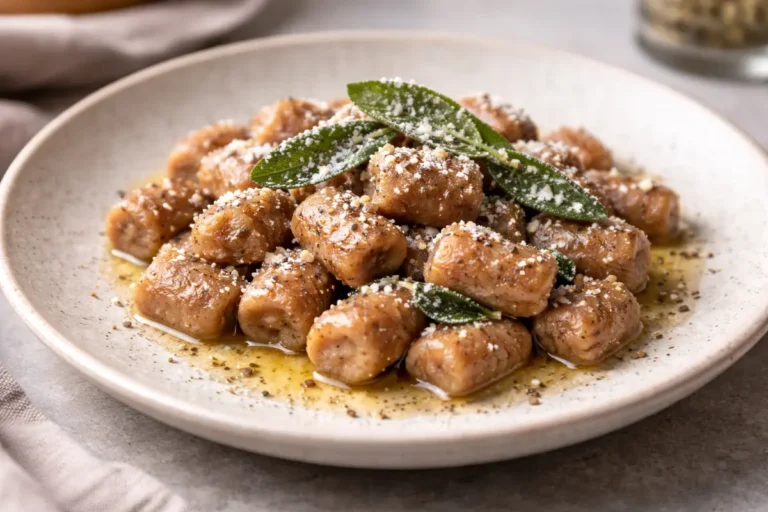
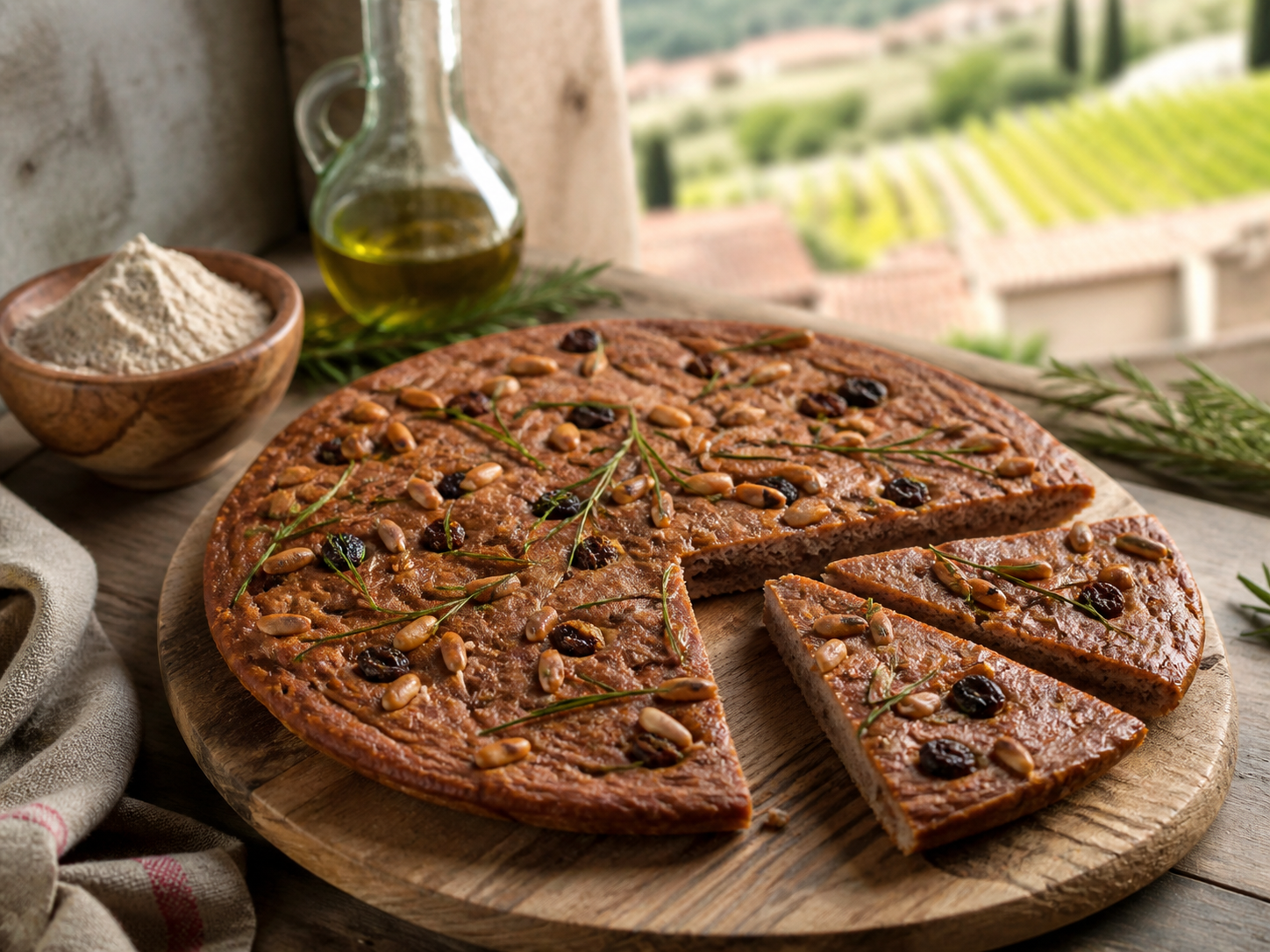
Tuscany’s castagnaccio is one of the clearest examples. This low chestnut-flour cake is traditionally enriched with ingredients such as pine nuts, raisins, rosemary and olive oil rather than covered in icing. In northern cooking, chestnut gnocchi shows the ingredient’s savoury side.
Fresh Chestnuts and Chestnut Flour Need Different Treatment
Fresh chestnuts must be scored before roasting so steam can escape. Peeling is easiest while they are still warm, removing both the hard outer shell and the bitter inner skin. Chestnut flour, by contrast, should smell sweet and nutty rather than stale; its fat content means it does not keep indefinitely.
Because the flour has no gluten, it behaves differently from wheat flour. Traditional recipes often embrace its dense, tender character instead of trying to make it imitate an airy wheat cake.
Why the 2026 Festivals Matter
Food festivals are useful when they make the connection between ingredient and landscape visible. The October celebrations in Friuli include roast chestnuts, honey and local dishes, but they also keep village customs and producer knowledge in public view. That combination of season, place and practical cooking is exactly why chestnuts feel relevant again.