The Return of Slow Italian Sauces
Slow Italian sauces are returning because people are noticing the difference between food that is simply cooked and food that has had time to become itself. A sauce does not need to be complicated to be deep. It needs a good base, steady heat and enough patience for the flavours to settle.
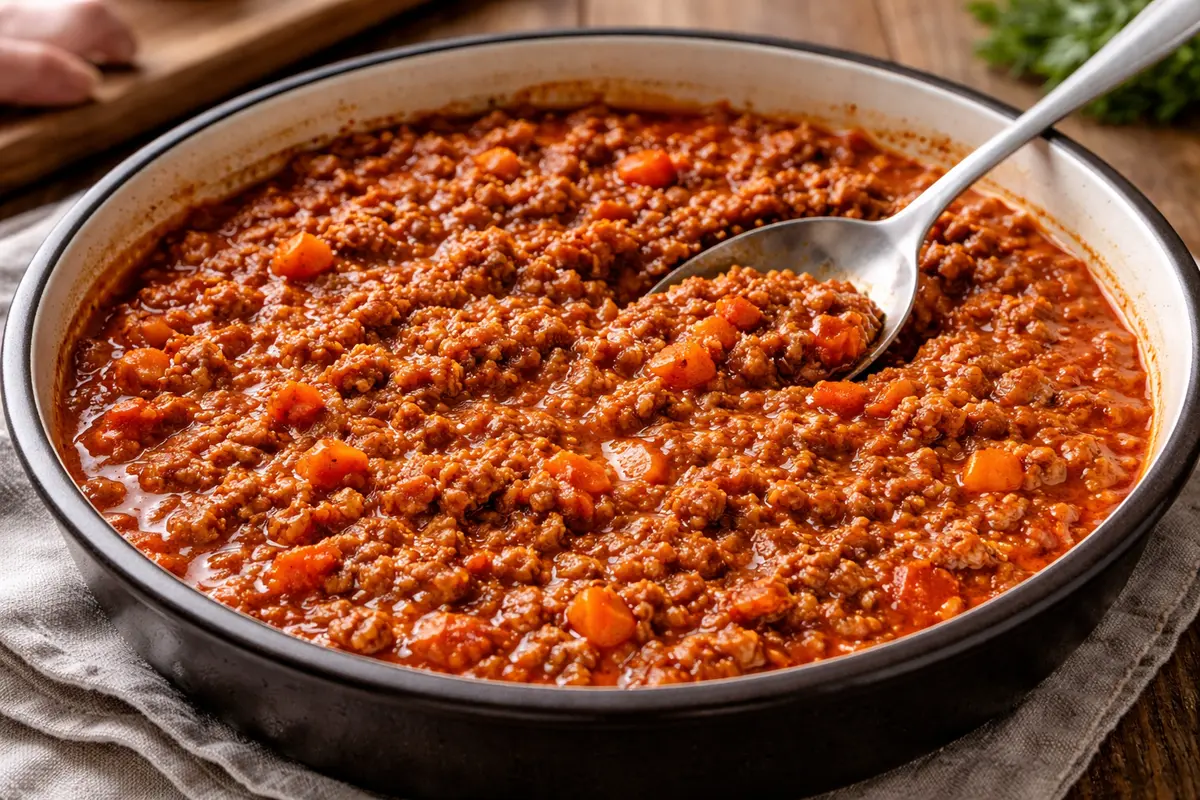
That is one reason Bolognese ragù remains so compelling. It is not fast food pretending to be traditional. Its character comes from building flavour slowly.
Why Slow Does Not Mean Difficult
The word slow can make a recipe sound demanding, but many slow sauces are low effort once the base is right. The cook needs to start carefully, adjust the heat and let time do what rushing cannot.
That rhythm suits modern home cooking more than people expect. A sauce can simmer while the table is set, vegetables are prepared or pasta water comes to the boil.
The Base Decides the Direction
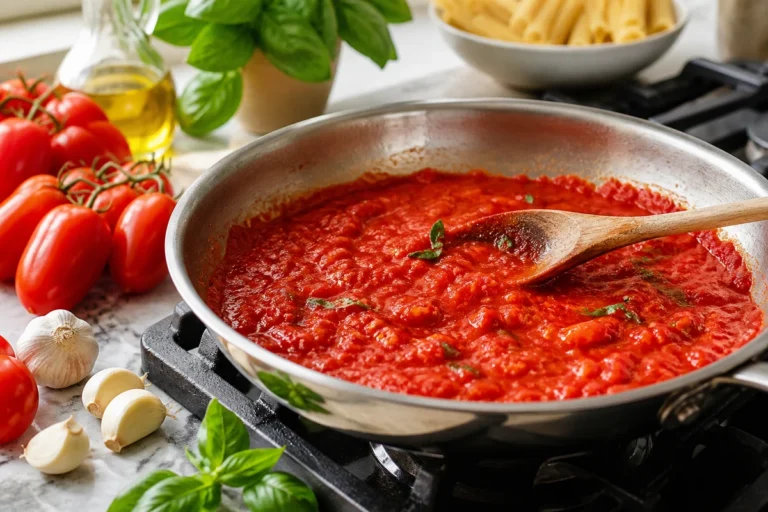
A meat sauce, tomato sauce or vegetable sauce all depend on the beginning. Onion, celery, carrot, garlic, oil, butter, pancetta or herbs must be treated with care. If the base tastes harsh or burnt, the long cooking will not save it.
This is why the current interest in simple Italian technique matters. Home cooks are learning that depth often starts before the main ingredient enters the pan.
When to Keep the Sauce Lighter
Not every Italian sauce should simmer all afternoon. Seafood sauces, fresh tomato sauces and many vegetable sauces can lose their clarity if cooked too long. The skill is knowing which dishes need time and which need restraint.
A dish like scampi in tomato and wine sauce depends on freshness and timing, not the heaviness of a long ragù.
The Trend Is Really About Patience
Slow Italian sauces are appealing again because they make dinner feel grounded. They give the kitchen a smell, a rhythm and a sense that something real is being made. In a fast world, that is a powerful thing.